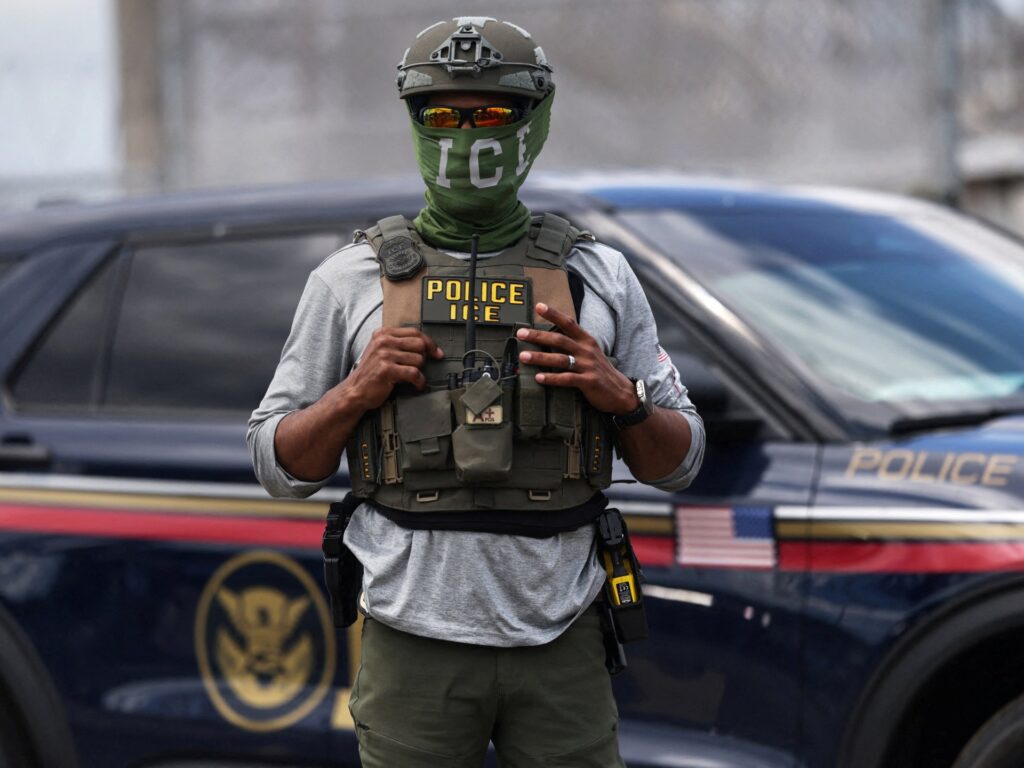
The U.S. Immigration and Customs Enforcement (ICE) agency has issued a statement pushing back against recent recommendations made by a government watchdog regarding the use of body cameras by its officers. The watchdog’s report suggested that ICE should improve its body camera policy by adopting devices that automatically start recording to increase accountability and transparency during enforcement operations.
ICE’s response firmly rejects the call for body cameras equipped with automatic recording features. The agency argues that such technology could complicate the operational environment for agents and potentially hinder their ability to perform duties securely and effectively. They emphasize that their current policies already include measures intended to balance officer safety and accountability.
Body camera usage has become a central point of discussion in law enforcement agencies across the United States, especially concerning issues of civil rights and public trust. Advocates for body cameras argue that automatic recording is essential as it reduces the risk of selective recording by officers and provides a more accurate, unbiased account of interactions between immigration officers and the public.
The government watchdog’s report, based on assessments and interviews, pointed to instances where manual activation of body cameras by ICE officers resulted in inconsistent recording of encounters. These inconsistencies were cited as barriers to full transparency and accountability, particularly in sensitive immigration operations.
ICE, however, has highlighted that automatic recording may not be feasible in all scenarios due to privacy concerns and other logistical challenges. The agency also noted that their existing protocol includes specific situations where body cameras must be turned on, aiming to protect all parties involved while respecting legal requirements.
The debate over automatic body cameras touches on broader issues related to law enforcement modernization and community trust. Stakeholders, including civil rights groups and immigration advocates, have called for policies that enhance oversight and decrease potential abuses of power.
Following ICE’s rejection of these recommendations, discussions are expected to continue among policymakers, the watchdog agency, and public advocacy groups. The outcome of these discussions could influence future body camera policies not only for ICE but potentially for other federal law enforcement agencies.
This ongoing conversation underscores the complexities involved in balancing law enforcement objectives with the imperative for transparency and the protection of individual rights. As technology advances, finding effective and fair ways to implement it in government operations remains a critical challenge.