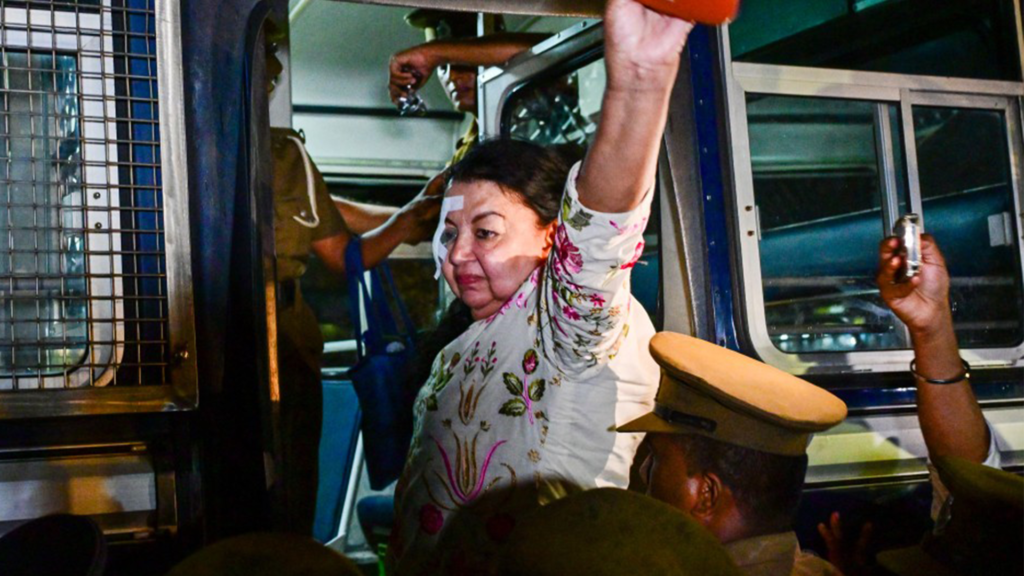
Sri Lanka has taken a significant step in its ongoing fight against corruption by arresting Shiranthi Rajapaksa, the former first lady and wife of ex-President Mahinda Rajapaksa. This high-profile arrest marks a notable moment in the government’s efforts to address allegations of graft and financial mismanagement dating back to the Rajapaksa administration.
Shiranthi Rajapaksa, known for her role during her husband’s tenure as President, was apprehended as part of a broader investigation into corruption charges linked to the misuse of public funds. The probe has been intensifying as authorities seek accountability for alleged illicit activities that reportedly took place under the previous government.
The arrest came after extensive inquiries and the gathering of substantial evidence pointing towards her involvement in corrupt practices. This move signifies the Sri Lankan government’s determination to hold even the most influential figures accountable, showcasing a commitment to justice and transparency.
Mahinda Rajapaksa’s presidency, spanning several years, has been scrutinized for various allegations of corruption and nepotism. The ongoing investigations have targeted multiple individuals connected to the former administration, emphasizing a comprehensive campaign to root out corruption.
Legal experts note that the arrest of a former first lady is both unprecedented and symbolic, reflecting the seriousness of Sri Lanka’s anti-corruption drive. It sends a message that no one is above the law, regardless of their political stature or connections.
The public reaction to the arrest has been mixed, with some viewing it as a positive step toward restoring faith in the judicial system, while others remain skeptical about the political motivations behind the crackdown. Nonetheless, the proceedings will be closely watched both domestically and internationally, given the implications for governance and rule of law in Sri Lanka.
The government has pledged to continue its transparent scrutiny of all officials involved in corruption, promising that justice will be served without bias. The case involving Shiranthi Rajapaksa is expected to proceed through the courts, where evidence will be presented, and legal arguments made.
This development comes at a time when Sri Lanka is grappling with economic challenges and political instability. Addressing corruption effectively is seen as crucial to restoring confidence among citizens and investors alike, potentially aiding in the country’s recovery efforts.
Observers note that these actions could reshape the political landscape in Sri Lanka, influencing future elections and the balance of power. It also raises questions about the lasting impact of the Rajapaksa family’s influence in the nation’s affairs.
As the legal process unfolds, it will be important to monitor how the case is handled to ensure fairness and adherence to due process. The outcome could serve as a precedent for future anti-corruption measures and governance reforms.
In summary, the arrest of Shiranthi Rajapaksa is a landmark event in Sri Lanka’s fight against corruption. It highlights the ongoing challenges the country faces while offering a glimpse of hope for greater accountability and justice in the years ahead.