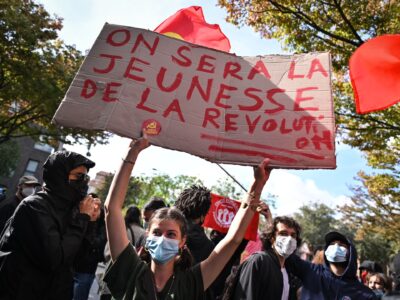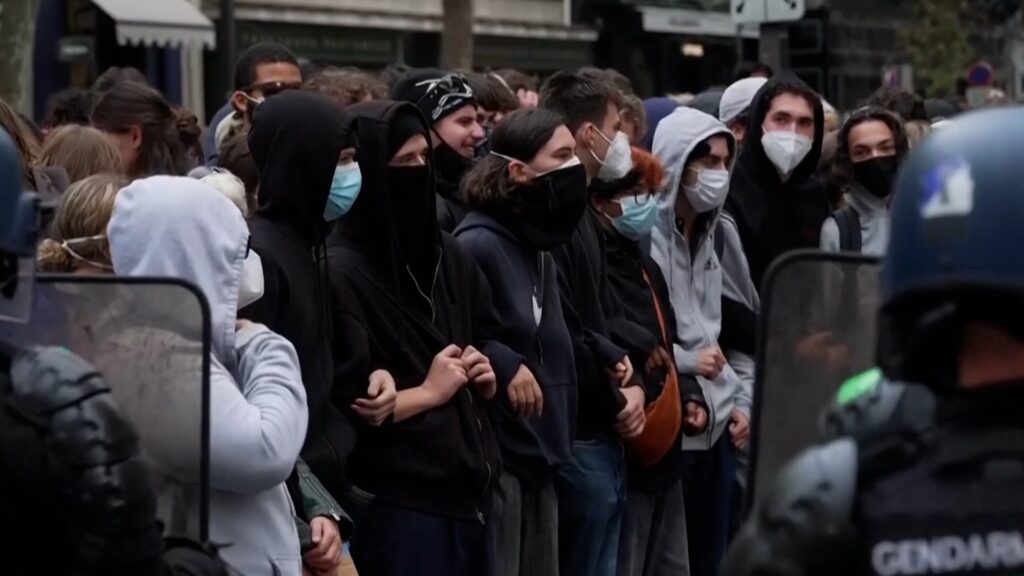
French Prime Minister Sebastien Lecornu has publicly committed to addressing mounting concerns raised by students amid ongoing protests that have forced the closure of hundreds of schools across the country. Over the past weeks, students have rallied in opposition to various education policies, demanding significant changes to improve the schooling system and better address youth and educational needs.
The protests have disrupted educational activities dramatically, causing closures not only of schools but also of university campuses in some regions. The primary grievances include demands for better school conditions, more mental health support for students, and increased investment in education.
Prime Minister Lecornu, acknowledging the scale and persistence of the protests, has vowed to engage directly with student representatives and educational stakeholders to find workable solutions. He outlined plans to convene consultations aimed at understanding the key issues and crafting a responsive reform agenda.
In his statements, Lecornu emphasized the government’s commitment to youth, education, and social equity, highlighting that the current system needs well-rounded reform to meet the evolving needs of the younger generation. He mentioned the importance of modernizing curriculum, improving school infrastructure, and increasing support services.
The protests, which began as localized demonstrations, have now expanded nationally, signaling a significant unrest among France’s youth. Students argue that inadequate government responses to their concerns have necessitated ongoing strikes and demonstrations.
Educators and administrators caught between student demands and government mandates are also calling for dialogue and swift governmental action. Many emphasize that the protests reflect deeper systemic issues within the French education system that require structural changes.
Parents and community leaders have shown mixed reactions—while some support the students’ right to protest, others worry about the long-term impact of school disruptions on children’s education and wellbeing.
The French government faces mounting pressure to act swiftly to quell the unrest and prevent further closures. Experts suggest that a collaborative approach involving students, teachers, parents, and policymakers is essential to achieving sustainable improvements.
As negotiations commence, the nation watches closely, hopeful that constructive discussions lead to tangible reforms that honor the voices of the youth while maintaining educational stability across France.