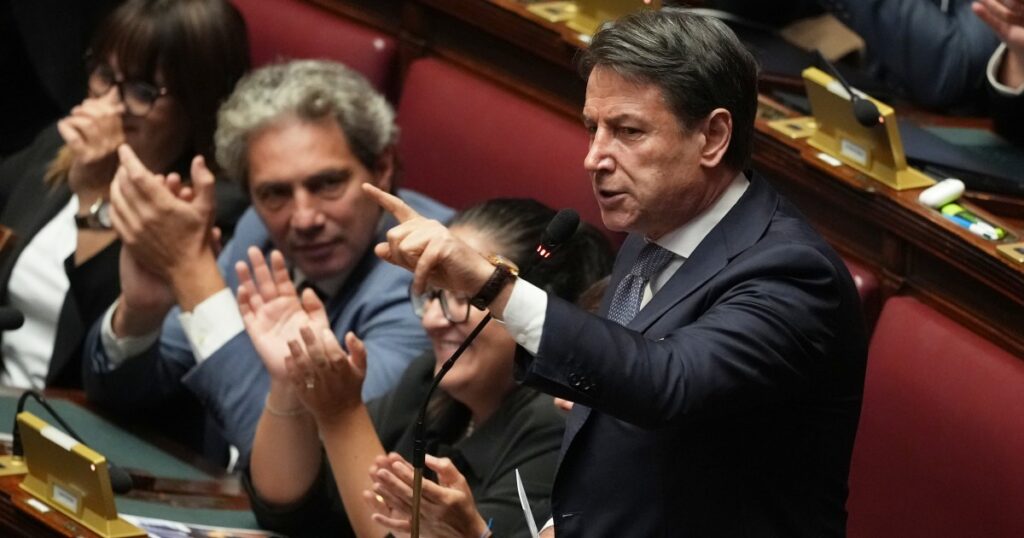
Italy is witnessing a fierce debate over a newly proposed electoral law that aims to allocate bonus seats to election winners. The legislation is designed to strengthen the majority of the winning coalition or party in the Italian Parliament, ostensibly to provide greater governmental stability. However, critics argue that this law poses significant risks to democratic principles, potentially granting outsized power to a coalition without proportional representation of the electorate’s vote.
The central feature of the new law is the election bonus system. This system allocates additional seats to the winning party or coalition, boosting their parliamentary presence beyond the proportion of votes they actually received. Proponents argue this will prevent fragmented parliaments and frequent government collapses, a problem that has historically plagued Italy’s political landscape.
However, opponents contend that the law undermines the foundational democratic value of proportional representation. By awarding extra seats to the winner, smaller parties and minority voices risk being marginalized, which may skew legislative power and diminish diverse political debate within the parliament.
Critics also point out the law’s potential to create an imbalance of power within the legislative branch. An outsized majority might dominate parliamentary decisions without adequate checks and balances, threatening the democratic oversight that helps ensure accountability in governance.
The proposed legislation comes amid Italy’s efforts to streamline government operations and reduce political instability. Italy has experienced numerous shifts in government coalitions and frequent elections, often leading to policy stagnation. Supporters of the law argue that a clear majority in parliament is essential for passing reforms and maintaining a stable administration.
Yet, the timing and political context of the proposal have led many to question the true motivations behind the law. Some suspect that it is designed to benefit specific parties or political figures, solidifying their power rather than enhancing democratic functionality.
The controversy also sparks a broader discussion about the nature of electoral systems and how they balance majority rule with minority rights. This debate is not unique to Italy but resonates worldwide, as many democracies grapple with the challenge of ensuring effective yet representative government.
Experts emphasize the importance of safeguarding democratic values while pursuing political efficiency. They warn against reforms that could compromise electoral fairness or erode political pluralism, which are essential for a healthy democracy.
Public opinion remains divided, with some citizens prioritizing political stability and others stressing the need for inclusive representation. The debate continues in Italian parliament and civil society, highlighting the ongoing tension between governance and democracy.
As Italy evaluates this controversial electoral reform, the global community watches closely. The outcome could set a precedent for how democracies address similar challenges in balancing effective governance with democratic fairness in the future.