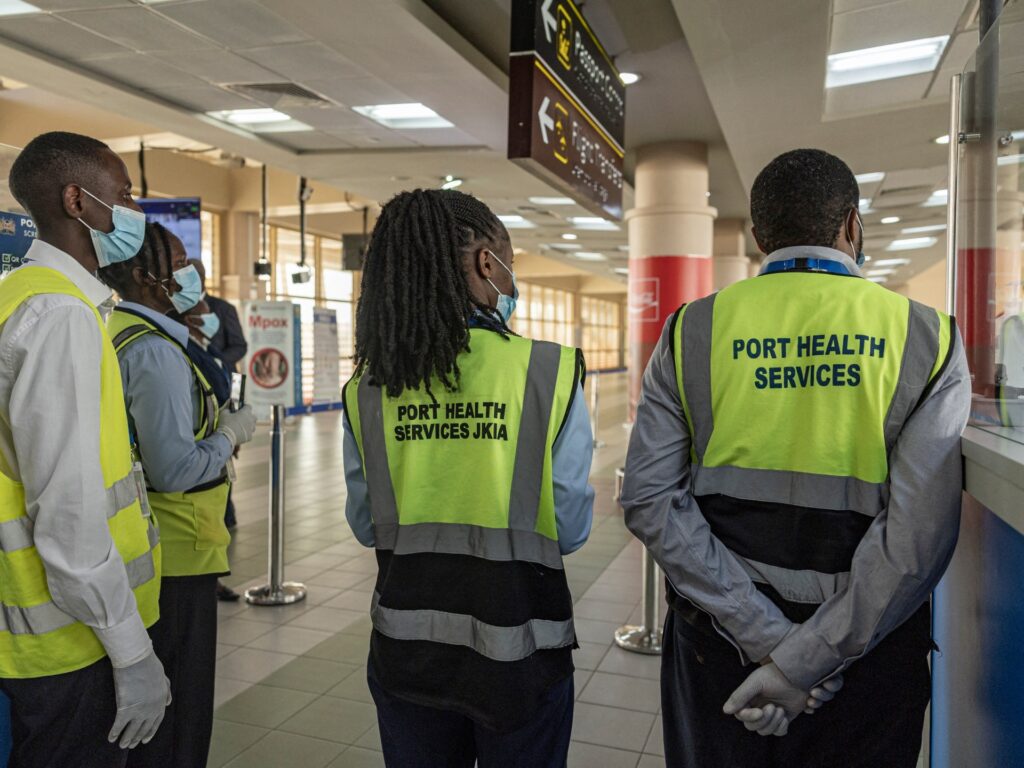
A recent report has raised significant concerns about the potential spread of Ebola across Africa following the death of a single patient in Kenya. According to the World Health Organization (WHO), the patient originally fell ill in the Democratic Republic of Congo (DRC), where Ebola outbreaks have been known to occur. Having been treated in the DRC, the patient later traveled to Kenya, where the fatality was recorded.
This incident highlights ongoing fears about the transnational transmission of Ebola in Africa, particularly between countries that share porous borders and have frequent population movement. The DRC has experienced multiple Ebola outbreaks over the years, with efforts to contain the virus complicated by local conflict, limited healthcare infrastructure, and population displacement.
The Kenyan case has elicited alarm because it underscores the risks of Ebola spreading beyond historically affected regions. The patient’s movement from the DRC to Kenya exemplifies how viruses can cross borders quickly, making containment more challenging.
Ebola virus disease (EVD) is a severe and often fatal illness in humans, characterized by fever, intense weakness, muscle pain, vomiting, diarrhea, and sometimes internal and external bleeding. It is transmitted through direct contact with bodily fluids of an infected person or contaminated surfaces and materials. The fatality rate of Ebola can be as high as 90% in some outbreaks, making prompt detection and response critical.
Kenya, which reportedly had no recorded Ebola cases previously, faces the challenge of rapid epidemiological response and vigilant monitoring to prevent further spread. Health authorities in Kenya have been urged to increase surveillance, enhance laboratory capacities, and raise public awareness about Ebola symptoms and transmission routes.
WHO and regional health organizations are working closely with Kenyan authorities to track any potential contacts of the patient and to assess the risk of transmission within the community. They emphasize the importance of swift isolation of suspected cases and adherence to infection prevention and control measures.
Historically, Ebola outbreaks have been concentrated in Central and West Africa, but increased travel and migration are elevating the risk of wider spread in other African regions. The Kenyan death serves as a stark reminder of the ongoing threats posed by infectious diseases in a highly interconnected continent.
Health experts call for strengthened cross-border collaboration, improved healthcare infrastructure, and sustained funding for infectious disease preparedness to combat such threats.
This single fatality in Kenya acts as a warning signal, prompting African nations to bolster their public health readiness and international cooperation to mitigate the risk of future Ebola outbreaks and potential epidemics on the continent.