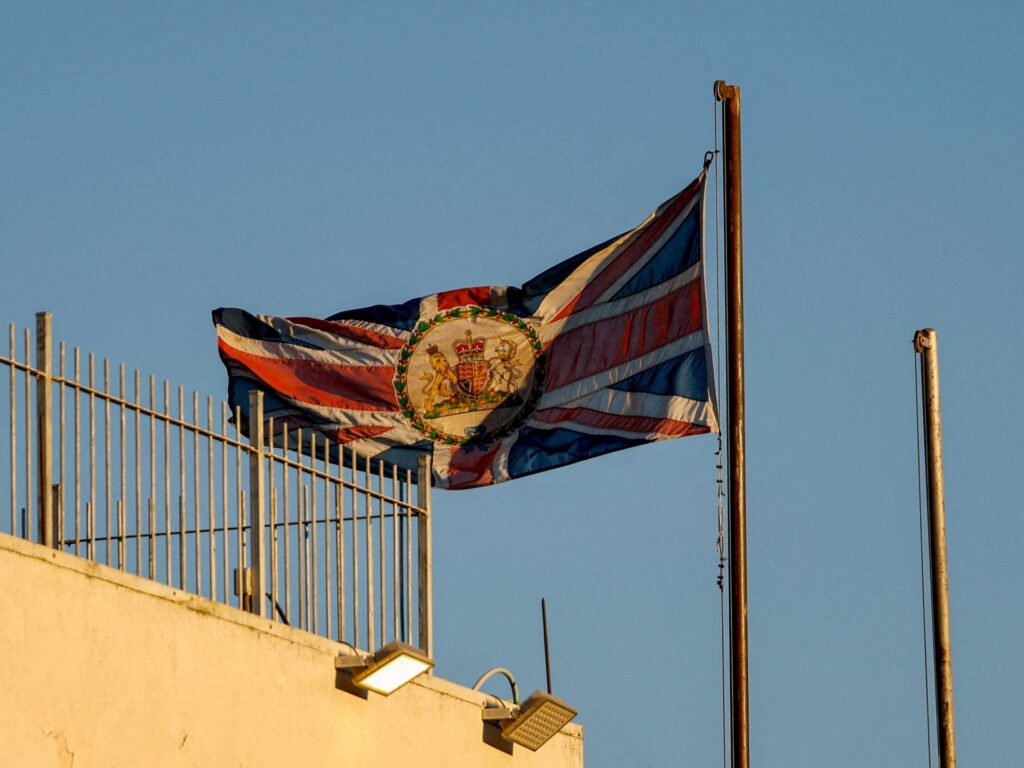
The United Kingdom has officially renamed its consulate in East Jerusalem as a “mission,” a move that reflects subtle yet significant diplomatic adjustments amid complex geopolitical tensions in the region. UK Foreign Secretary Ed Miliband announced that despite the change in designation, the existing consulate building will remain operational and some diplomats will continue their work there.
This decision comes as an Israeli-imposed deadline for closing the consulate expired without the UK shutting its premises. The Israeli government has historically objected to foreign diplomatic missions in East Jerusalem, considering the area a part of its undivided capital—a status not recognized by much of the international community.
The UK’s move to rename rather than close the consulate is seen as a diplomatic compromise. It allows the UK to maintain a presence in East Jerusalem without fully acceding to Israeli demands. The mission’s role remains largely unchanged, continuing to provide services and maintain diplomatic relations concerning the Palestinian territories.
Ed Miliband emphasized that the UK is committed to its longstanding policy of supporting a two-state solution to the Israeli-Palestinian conflict. Maintaining a diplomatic presence in East Jerusalem is part of that strategy, signaling the UK’s continued engagement and interest in stability and peace in the Middle East.
The decision was closely watched by international observers. East Jerusalem is a particularly sensitive location due to its political, religious, and cultural significance to Israelis and Palestinians alike. The status of diplomatic missions there often reflects broader international stances on the Israeli-Palestinian conflict.
The UK’s mission in East Jerusalem functions somewhat independently from its embassy in Tel Aviv, which pertains primarily to relations with Israel. This arrangement allows the UK to address Palestinian affairs directly.
Analysts suggest that the renaming from a consulate to a mission name might reduce Israeli pressures, but keeps the door open for diplomatic engagement. It balances the UK’s foreign policy goals with the complex realities on the ground.
Some diplomats will remain at the mission, continuing their work in providing consular services and political reporting. This assures Palestinians and other stakeholders of the UK’s ongoing commitment to their concerns.
The Israeli government has not officially responded to the UK’s renaming decision, but prior statements have made clear its position that foreign missions in East Jerusalem undermine Israeli sovereignty claims.
This development takes place against the backdrop of heightened tensions and periodic violence in Jerusalem and the wider region. International diplomacy remains delicate, with many nations navigating a fine line between supporting Israel and advocating for Palestinian rights.
The UK’s approach echoes that of several other Western countries that seek to maintain some form of diplomatic presence in East Jerusalem without triggering outright confrontation with Israel.
The future of the UK mission will likely depend on evolving political conditions and the broader peace process. Until then, the mission will continue to operate, serving as a symbol of international engagement in one of the world’s most contested cities.
In summary, the UK’s renaming of its East Jerusalem consulate to a mission represents a tactical diplomatic move. It preserves the UK’s footprint in the city, supporting its foreign policy objectives while navigating the complex and sensitive political landscape of Jerusalem and the Israeli-Palestinian conflict.