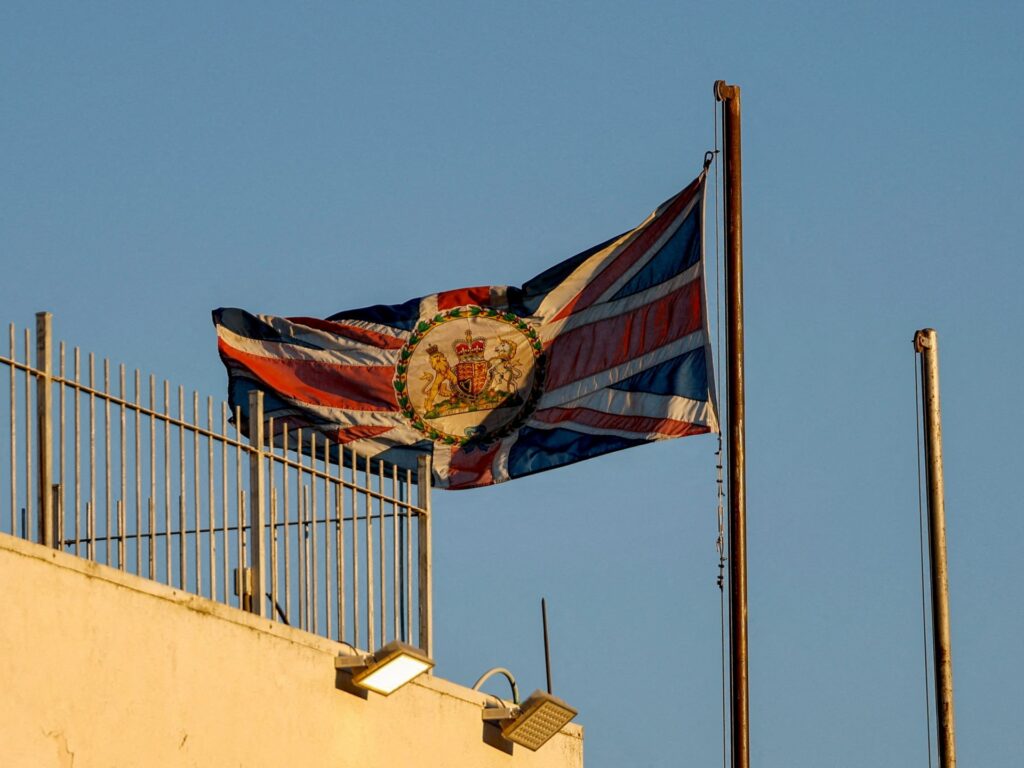
The United Kingdom has announced a significant change concerning its diplomatic presence in East Jerusalem, renaming its consulate there as a “mission.” This development was confirmed by UK Foreign Minister Ed Miliband, who emphasized that the consulate building in the occupied East Jerusalem will remain operational and will not be closing.
East Jerusalem is a highly sensitive area, with complex political implications. The change in designation from consulate to mission reflects the UK’s nuanced approach to the status of East Jerusalem amid ongoing regional tensions. While the consulate traditionally serves as a diplomatic office, the term “mission” may imply an adjustment in diplomatic or political emphasis without a withdrawal or closure.
Foreign Minister Ed Miliband underscored that some UK diplomats would continue to be stationed in the building, ensuring ongoing diplomatic functions and engagement in the region. This decision highlights the UK’s commitment to maintaining a presence in East Jerusalem, a city claimed by both Israelis and Palestinians.
The UK’s choice not to shut down the consulate building amid renaming indicates an intention to sustain its role in the complex politics of the area. Renaming it as a mission might allow the UK more flexibility in its diplomatic activities and messaging concerning the disputed territory.
East Jerusalem remains a focal point of the Israeli-Palestinian conflict, with both sides holding profound historical, religious, and political stakes in the city. International reactions to the UK’s move are expected to vary, as changes in diplomatic nomenclature often signal shifts in recognition and policy.
The UK typically seeks a balanced stance in Middle Eastern affairs, supporting a negotiated two-state solution while maintaining diplomatic ties with Israel and neighboring states. Adjustments such as this mission renaming may aim to reflect or influence the broader geopolitical landscape.
The diplomatic mission will likely continue to perform functions such as providing consular services, engaging with local stakeholders, and representing UK interests. However, the precise ramifications of this change will unfold as related policies and diplomatic interpretations evolve.
This development also draws attention to the broader international debate regarding the status of Jerusalem. Many countries have established varied forms of diplomatic presence, with some maintaining embassies in Tel Aviv while others have more direct engagement in Jerusalem.
The UK’s decision represents a strategic recalibration in its diplomatic posture, signaling both continuity and adaptation in its approach to a contested region. The move is closely watched by international observers, regional actors, and advocacy groups invested in Middle East peace and diplomacy.
In sum, the UK’s renaming of its East Jerusalem consulate as a mission, alongside the retention of diplomats on site, marks an important chapter in the ongoing evolution of international relations surrounding Jerusalem. It reflects the delicate balance the UK attempts to maintain in a landscape characterized by dispute, diplomacy, and historical complexity.