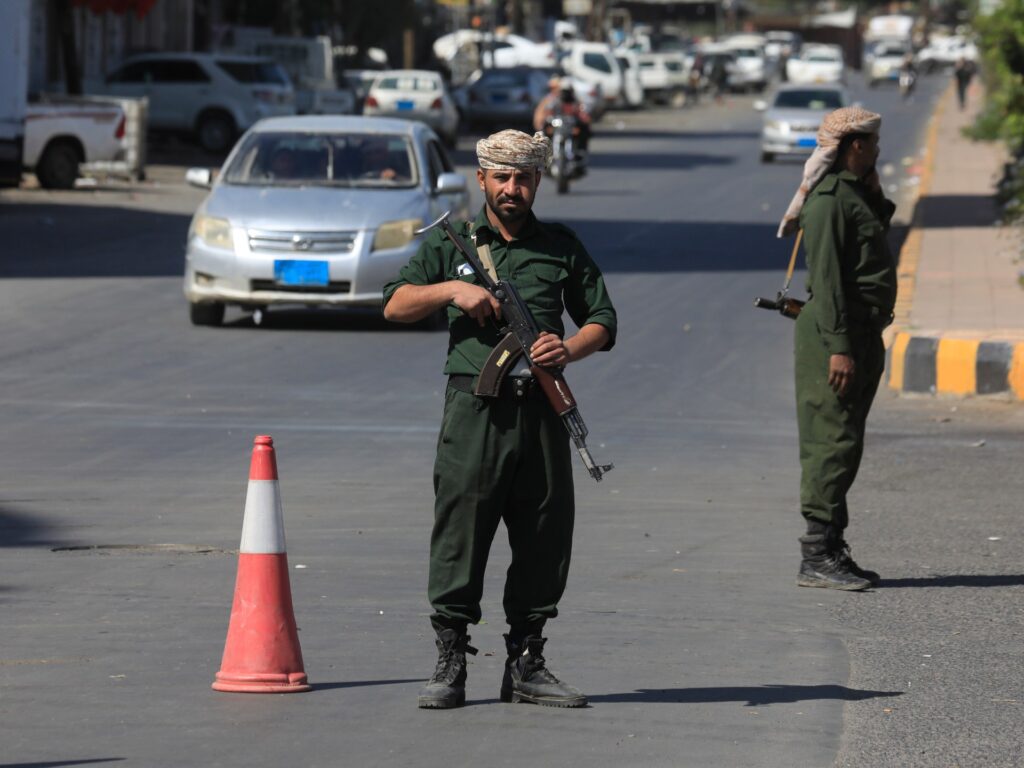
The conflict in Yemen continues to witness intense combat, with significant developments reported in the western region of Taiz. Saudi-backed Yemeni government forces have claimed a strategic victory by capturing key heights in the mountainous belt overlooking the coastal areas. These heights are crucial as they provide tactical advantages for controlling movement and supply routes along the coast.
The government’s gains come amid ongoing Houthi attacks which persist across multiple fronts, underscoring the highly volatile and fluid nature of the conflict. The Houthis have maintained pressure through both conventional and irregular warfare tactics, attempting to regain lost ground and disrupt government control.
Military analysts indicate that holding these strategic highlands offers the government forces a better vantage point and enhanced ability to launch operations against the Houthis, potentially altering the dynamics of the conflict in Taiz province. The mountainous terrain has always been a challenging battleground, with shifting control impacting civilian populations and access to essential resources.
The Saudi-backed advance is part of a broader campaign to consolidate territorial control along Yemen’s western coast, which is vital for economic and logistical reasons. Control over coastal roads and mountains not only affects military movements but also the flow of humanitarian aid, which is critical in a country facing one of the world’s worst humanitarian crises.
Despite the government’s recent advances, Houthi forces remain resilient and continue to mount counterattacks. Fierce clashes have been reported, resulting in casualties on both sides and further displacement of civilians caught in the crossfire. The fighting has exacerbated the already dire security situation and complicated efforts to deliver aid to vulnerable populations.
International observers continue to call for renewed peace talks, emphasizing the urgency of a ceasefire to prevent further loss of life and to pave the way for a political resolution. However, the entrenched positions and ongoing hostilities suggest that a quick end to the conflict remains elusive.
The situation in Taiz reflects the broader complexities of the Yemeni war, where regional rivalries, local grievances, and international interests intersect. Saudi Arabia’s support for government forces is part of a larger regional contest with the Houthis, who receive backing from different external actors, further complicating the path towards peace.
As the battle for control in Taiz’s mountainous coastal belt continues, the humanitarian impact remains severe. Civilians face the dual burden of active conflict and limited access to food, water, and medical care.
The international community is urged to increase efforts in facilitating dialogue and providing humanitarian relief to lessen the suffering and bring about a sustainable resolution to the Yemeni conflict.
In summary, the Yemeni government forces’ claim over key mountainous heights near the western coastal region of Taiz represents a tactical milestone in the ongoing war. However, persistent Houthi attacks remind the world that the conflict remains intense, with no immediate end in sight, prolonging distress and instability in Yemen.