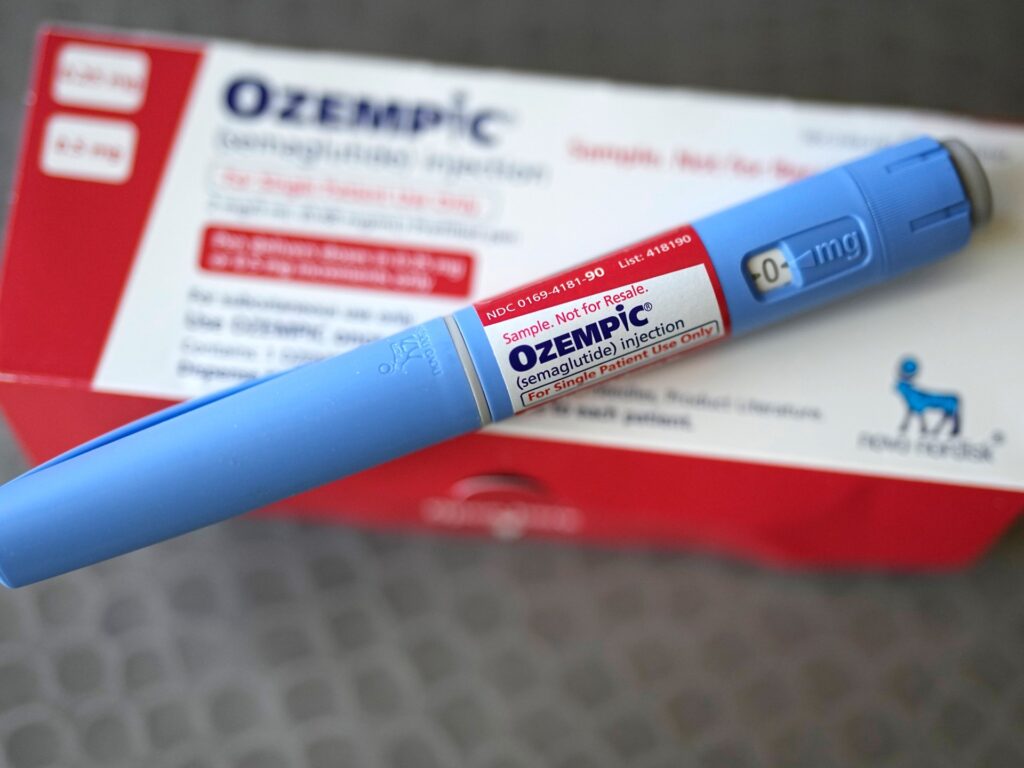
GLP-1 drugs, including widely used medications like Ozempic, have gained significant attention for their effectiveness in treating type 2 diabetes and supporting weight loss. However, recent concerns have emerged regarding a potential link between these medications and vision loss, spurred by over 90 lawsuits alleging a rare eye condition associated with their use.
GLP-1 receptor agonists, the class of drugs to which Ozempic belongs, work by enhancing insulin secretion, reducing glucagon release, and slowing gastric emptying. This leads to better blood sugar control and can contribute to weight loss. Patients have praised these drugs for their benefits, but reports of ocular side effects have raised questions about their safety profile.
The rare eye condition cited in lawsuits is primarily related to diabetic retinopathy, a complication of diabetes that affects the retina and can result in vision impairment or loss. Some plaintiffs claim the progression or onset of retinopathy was accelerated by GLP-1 drug usage.
Medical experts highlight that while GLP-1 drugs are linked to improved glucose levels, which typically reduce diabetic complications, there may be instances where rapid improvements in blood sugar control could transiently worsen retinopathy. This phenomenon, known as early worsening of diabetic retinopathy, is a known risk when diabetes management is intensified.
Clinical trials and reviews of GLP-1 receptor agonists have found no conclusive evidence that these medications increase the overall risk of permanent vision loss. However, patients with pre-existing diabetic retinopathy are advised to have regular eye evaluations before and during treatment.
Pharmaceutical companies have responded to the lawsuits by affirming that their medications meet rigorous safety standards and that vision-related risks are rare and typically manageable with proper care.
Healthcare providers emphasize the importance of personalized treatment decisions, considering the benefits of GLP-1 drugs for metabolic control against the potential risks. They recommend that patients promptly report any visual disturbances and maintain regular ophthalmologic check-ups.
In summary, while reports and litigation have raised awareness of possible eye-related side effects of GLP-1 drugs like Ozempic, evidence so far does not confirm a direct causal link to permanent vision loss. Ongoing research and pharmacovigilance continue to monitor these concerns, aiming to ensure patient safety while delivering the therapeutic benefits of GLP-1 medications.