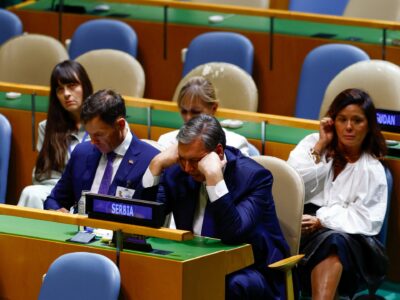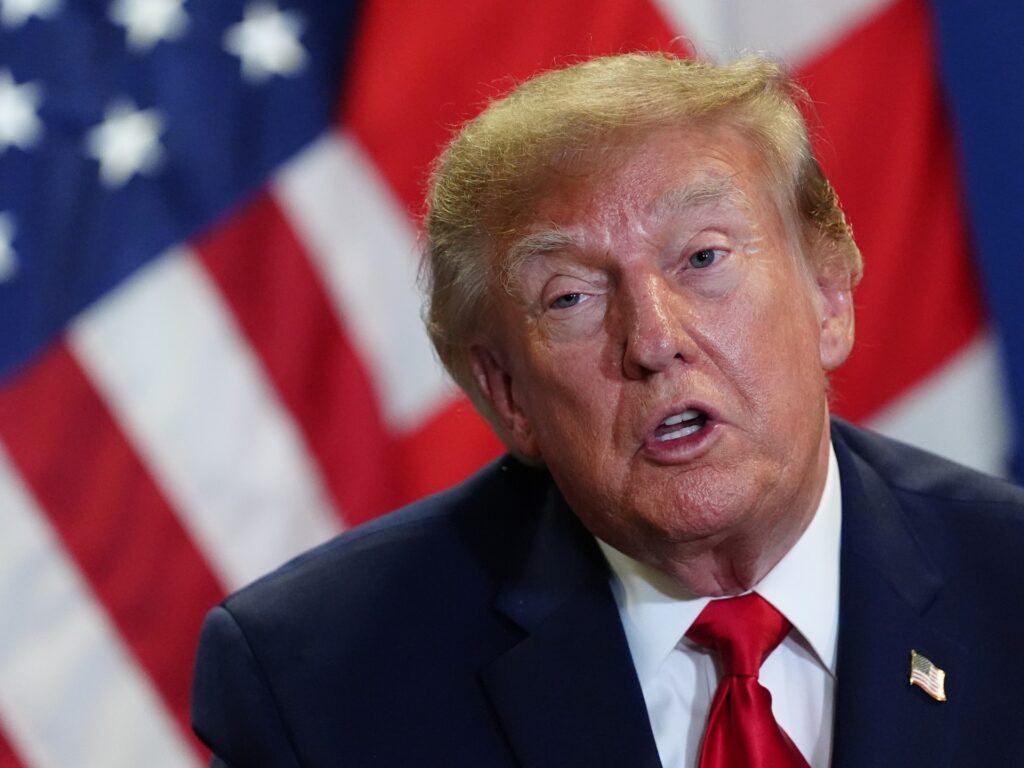
In a notable development during the recent United Nations meeting, US President Donald Trump described the ongoing discussions with Iran as ‘very good,’ fueling speculation about a potential breakthrough in the enduring tensions between the two nations. Trump hinted at the possibility of a deal being struck with Iran, which could mark a significant shift in diplomatic relations after years of stalemate and sanctions enforcement.
During his address, Trump emphasized the importance of reaching an agreement that would prevent Iran from pursuing nuclear weapons and destabilizing activities in the Middle East. He conveyed a dual message: while the prospects for a deal were encouraging, he issued a stern warning about grave consequences should Iran fail to come to terms. The president signaled that the US would maintain a tough stance, including the continuation or escalation of sanctions, if negotiations did not yield a satisfactory result.
The talks between the US and Iran, though not detailed publicly, reportedly involved intermediaries and took place on the sidelines of the UN General Assembly, a platform often used for sensitive diplomatic engagements. This approach reflects a willingness from both sides to explore potential compromises without formal announcements before outcomes are certain.
Analysts noted that Trump’s comments could be interpreted as a strategic move to keep diplomatic channels open while also leveraging public discourse to pressure Iran into compliance. The dual messaging serves the dual purpose of encouraging positive engagement and deterring any posturing from Iranian leadership that could jeopardize progress.
Historically, US-Iran relations have been fraught with tension, particularly over Iran’s nuclear program, support for proxy groups, and regional influence. The previous US administration’s withdrawal from the Joint Comprehensive Plan of Action (JCPOA) in 2018 sparked heightened tensions, with the Trump administration imposing strict sanctions aiming to curtail Iran’s nuclear ambitions.
The potential for talks to yield a new agreement could pave the way for easing economic sanctions, improved regional stability, and the reopening of diplomatic channels closed for years. However, significant challenges remain, including verification mechanisms, timelines for compliance, and addressing Iran’s ballistic missile program and regional activities.
International observers and allied nations closely monitor the situation, hopeful that negotiation breakthroughs could contribute to de-escalating one of the most volatile geopolitical conflicts of the decade. The unfolding developments at the UN underscore the complex interplay between diplomacy, strategic interests, and global security concerns.
As the US and Iran navigate this critical juncture, the global community watches eagerly for further statements or concrete outcomes that could signal a new chapter in their fraught relationship. The emphasis on ‘very good’ talks injects cautious optimism, but the shadow of potential sanctions and conflict looms, reminding all parties of the high stakes involved.
In conclusion, the recent US-Iran discussions at the United Nations represent a significant moment of diplomatic engagement, with President Trump’s remarks indicating both hope for a positive resolution and a readiness to enforce strict measures should negotiations falter. The coming weeks will be pivotal in determining whether this nascent dialogue can evolve into a lasting agreement or slip back into confrontation.