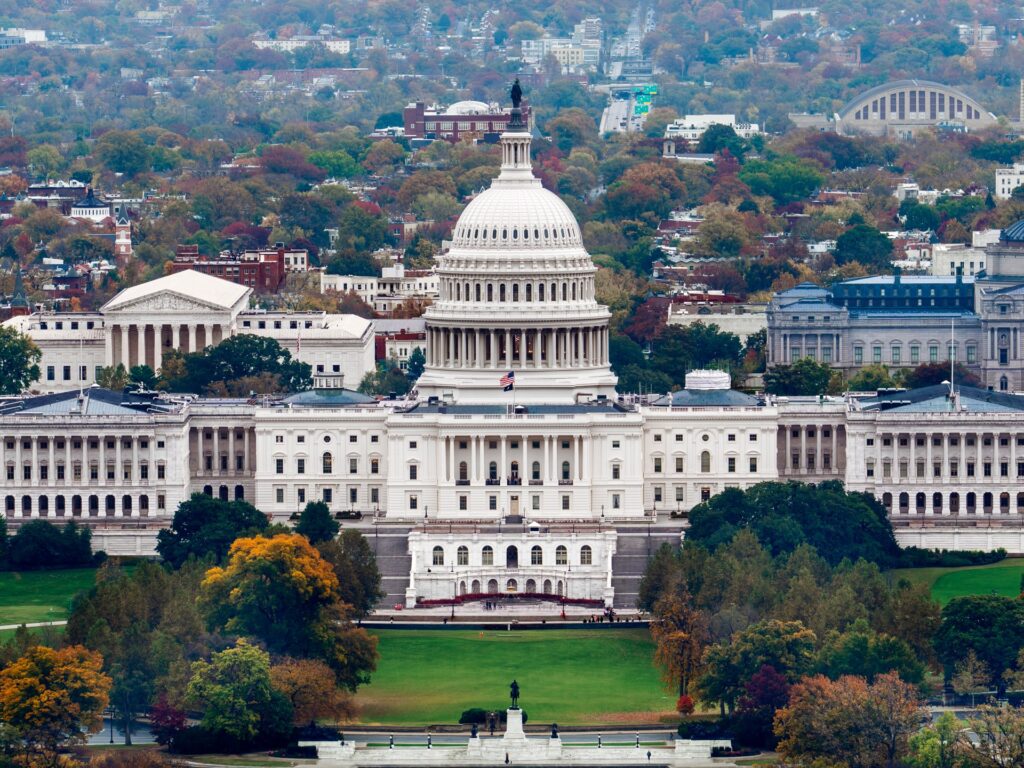
As the Republicans face their new role as the minority party in both the US House of Representatives and the Senate, party members are gearing up for key leadership elections scheduled for Tuesday. Following the loss of their majorities in the recent elections, these leadership contests will shape the Republicans’ strategies and influence in the 118th Congress.
In the House, Republican members are aiming to select a leadership team adept at navigating the challenges of minority status. Historically, the minority leadership plays a crucial role in organizing opposition, shaping legislative priorities, and negotiating with the majority party. The candidates for these roles often include experienced lawmakers recognized for their strategic acumen and ability to unify party members.
On the Senate side, Republican senators similarly prepare to elect their minority leader, whip, and other leadership positions. The Senate minority leader acts as the chief spokesperson for Republicans and is pivotal in setting the agenda to counterbalance the majority Democratic Party.
While specific candidates’ names have not been explicitly mentioned in this announcement, typical contenders include seasoned members with established leadership credentials. For example, in previous cycles, figures like Kevin McCarthy, Steve Scalise, and Elise Stefanik have been involved in minority or majority leadership discussions within the House, while Senate leadership often sees competition among senators with extensive tenure and committee experience.
The outcomes of these elections will impact the Republican Party’s approach to legislative negotiations, oversight responsibilities, and policy promotion. It will also affect internal party cohesion and the tactical planning necessary to regain majority status in future election cycles.
Republicans are expected to emphasize experience, communication skills, and the ability to rally diverse factions within the party as they choose their new leaders. These leaders will face the ongoing challenge of maintaining party unity while crafting strategies to influence federal policy despite limited numbers.
As the elections conclude, observers and political analysts will closely monitor the selected leaders’ profiles and the direction they set for the party in Congress. The leadership decisions will not only reflect the party’s current dynamics but also signal its ambitions and priorities moving forward in a divided Washington.