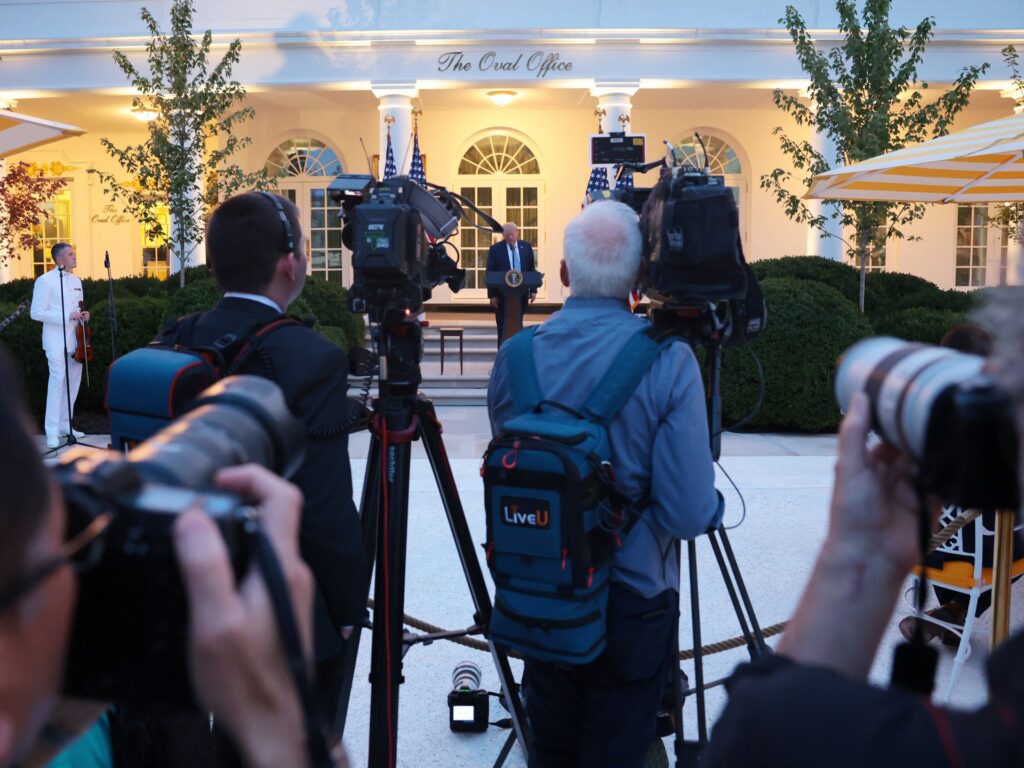
In recent developments, former President Donald Trump has taken a significant step by launching his own media channel, often referred to as ‘Trump TV.’ This move comes amid a continuing rift between Trump and the mainstream White House press pool, reflecting a broader trend of political figures seeking to communicate directly with the public, bypassing traditional media outlets.
The launch of Trump TV represents a strategic effort to control the narrative and maintain influence in the political landscape, especially as Trump remains a prominent figure in US politics. By creating his own platform, Trump aims to reach his supporters without the filter of mainstream media, which he has frequently criticized for biased coverage.
Historically, US presidents and major political leaders have relied heavily on established media channels to disseminate information and shape public opinion. However, the rise of digital media and social platforms has altered this dynamic, allowing politicians to engage with audiences more directly. Trump’s channel exemplifies this shift.
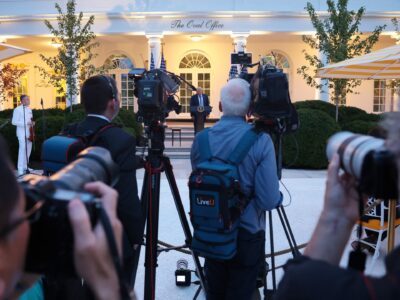
The rift with the White House press pool intensified during Trump’s presidency, characterized by contentious interactions with journalists and accusations of unfair reporting. This adversarial relationship has fueled Trump’s desire to establish alternative communication channels where his messages can be broadcast unedited.
Trump TV is expected to offer political commentary, news, and content supportive of Trump’s viewpoints. It may also serve as a platform for rallying political support and mobilizing voters ahead of election cycles. This direct-to-audience approach potentially strengthens Trump’s ability to influence public discourse without traditional media mediation.
Critics argue that dedicated media channels like Trump TV contribute to media polarization and fragmentation, as viewers may select sources that reinforce their existing beliefs. Such echo chambers can deepen political divides and complicate efforts to foster a shared understanding of facts.
Supporters contend that Trump TV provides an essential alternative perspective, offering content that challenges mainstream narratives and reflects the views of a significant portion of the population who feel underrepresented by existing media.
The phenomenon of political figures establishing proprietary media channels is not unique to Trump but is part of a broader global trend. Leaders worldwide are increasingly leveraging technology and social media to shape public opinion and bypass conventional journalism.
Ultimately, the impact of Trump TV on the US media landscape and political communication remains to be fully seen. It raises important questions about media trust, the democratization of information, and the future of political discourse in an increasingly digital age.
Can a US president or former president successfully bypass mainstream media to such an extent that it changes the nature of political engagement? Trump TV will be a critical case study, with implications for media, democracy, and public trust in government communications.