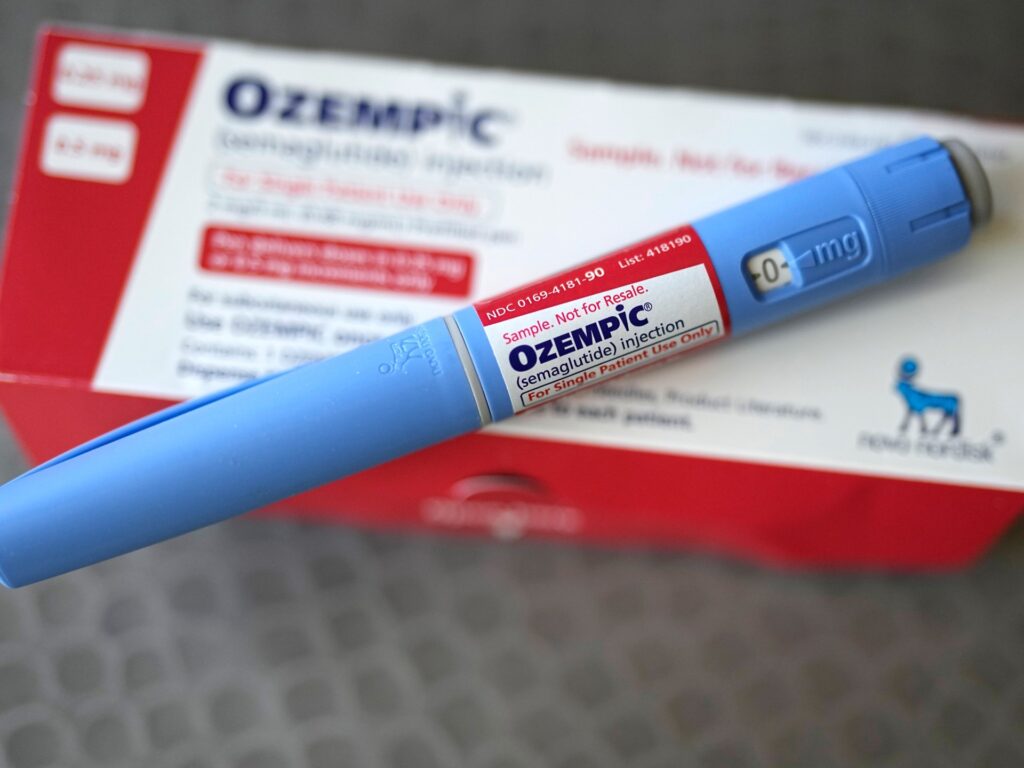
In recent developments, over 90 lawsuits have been filed against pharmaceutical companies producing GLP-1 drugs, which are widely prescribed for diabetes management and weight loss. Plaintiffs in these cases allege that the drugs caused a rare but serious eye condition leading to vision loss. GLP-1 receptor agonists, a class of medications including well-known drugs such as liraglutide and semaglutide, have revolutionized treatment by improving blood sugar control and aiding weight reduction. However, these lawsuits claim that despite the benefits, the medications may carry risks that were not adequately disclosed or studied.
The eye condition mentioned in the lawsuits appears to be a form of retinopathy, a complication that can severely affect the retina and impair vision. While retinopathy is typically associated with diabetes itself, the plaintiffs argue that the onset or worsening of eye disease correlates with their use of GLP-1 medications. Victims have reported symptoms including blurred vision, visual distortion, and in some cases, progressive loss of sight.
Pharmaceutical companies have yet to issue a comprehensive response denying or confirming these allegations but highlight the safety profiles established during clinical trials and post-market surveillance. Experts in endocrinology and ophthalmology emphasize the importance of monitoring patients for any adverse effects and conducting further research to determine any causal link.
Healthcare professionals urge patients using GLP-1 drugs to not discontinue therapy abruptly but to consult their doctors immediately if they experience changes in vision or other unusual symptoms. The lawsuits underscore the complex balance between the benefits and potential risks of innovative treatments.
This unfolding legal issue places a spotlight on the need for transparent drug safety communication and thorough patient education. As the cases progress, regulatory agencies may reassess the safety warnings associated with GLP-1 medications to ensure patients and practitioners are fully informed.
The outcome of these lawsuits could have significant implications for pharmaceutical companies, impacting drug labeling, marketing practices, and future research priorities. Meanwhile, patients and advocacy groups call for greater vigilance to prevent vision-related complications while benefiting from advances in diabetes and obesity care.
The situation highlights ongoing challenges in drug safety surveillance, especially with new classes of medications that rapidly gain popularity. The medical community remains committed to balancing effective disease management with minimizing risks to patient health.