The recent surge in oil prices, surpassing $100 per barrel, has thrown a spotlight on the escalating tensions in the Middle East, particularly between Iran and the United States. In this volatile landscape, Iran has laid out a new set of conditions aimed at ending hostilities with the US. These demands come amid growing regional escalations that have global economic implications, especially in energy markets.
Iran’s conditions focus on several key issues reflecting its core political and security concerns. First and foremost, Tehran insists on the complete lifting of all US sanctions imposed after the US withdrawal from the 2015 nuclear deal. These sanctions have severely impacted Iran’s economy, particularly its oil exports, which are crucial for its revenue.
Secondly, Iran demands respect for its sovereignty and cessation of any military threats or incursions by US forces in the region. The presence of US troops in neighboring countries and repeated military exercises near Iranian borders have been a source of tension, often escalating into confrontations.
Tehran also calls for dialogue without preconditions, aiming to establish a framework for peaceful coexistence and mutual respect. The conditions emphasize diplomacy over military action, signaling Iran’s preference to resolve differences through negotiation rather than conflict.
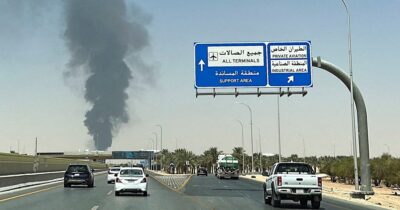
The regional context plays a significant role in shaping these conditions. Following increased hostilities in the Persian Gulf, including attacks on oil tankers and infrastructure, Iran’s stance reflects a desire to safeguard its strategic interests while avoiding further escalation that could destabilize the entire region.
International observers note that the rise in oil prices is partly driven by fears of prolonged conflict that could disrupt supply routes. Iran’s demands, if met, could lead to a de-escalation, potentially stabilizing the market and easing global energy concerns.
However, the US response remains cautious. Washington has underscored the importance of Iran adhering to international norms, particularly concerning its nuclear program, before any sanctions relief or diplomatic engagement can occur.
The evolving situation remains fluid, with both sides navigating a complex web of geopolitical interests. Iran’s latest conditions reflect a strategic posture aimed at leveraging its regional influence and economic power amid rising tensions, while also showing a willingness to pursue peace under specific terms.
As the world watches closely, the outcome of these negotiations will significantly impact not only Iran-US relations but also the broader stability of the Middle East and global energy markets.