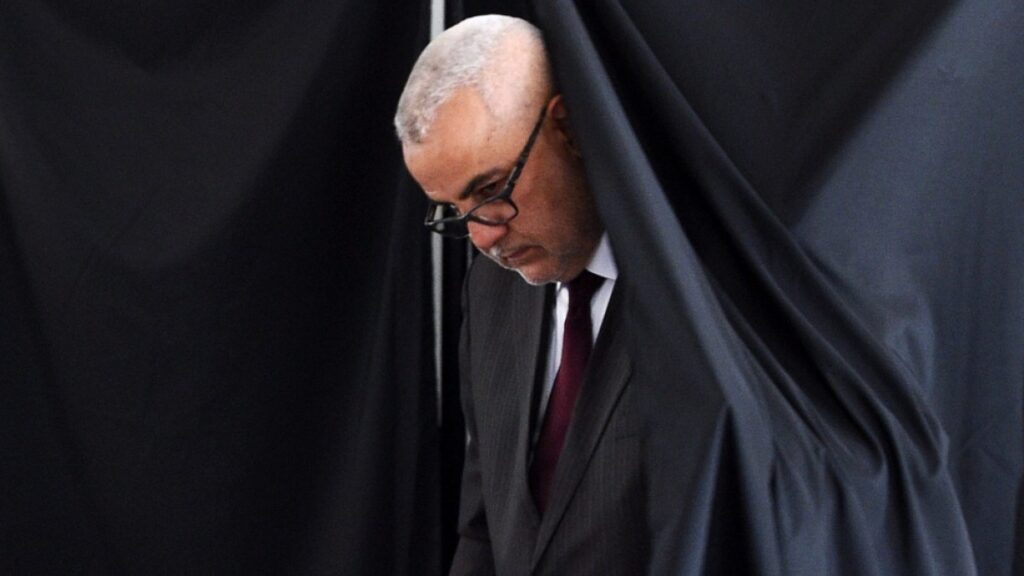
The Justice and Development Party (PJD) in Morocco, known for its Islamic reference, is undergoing a significant transformation as it prepares for the 2026 elections. This comes after a devastating defeat in the 2021 elections, where the party saw a dramatic loss of public support and parliamentary seats. Under the renewed leadership of Abdelilah Benkirane, a prominent figure and former Prime Minister, the PJD is striving to rebuild its reputation and regain the trust of the Moroccan electorate.
The 2021 election results served as a wake-up call for the PJD. Once a dominant political force, the party’s poor performance reflected widespread dissatisfaction with its governance, especially regarding economic issues, social policies, and perceptions of political stagnation. This defeat urged the party to engage in deep reflection and restructuring.
One of the key lessons learned by the PJD is the importance of connecting more effectively with the evolving aspirations of Moroccan citizens, particularly younger voters who seek pragmatic solutions to unemployment, education, and housing. The party’s previous Islamic conservative stance, while still central to its identity, is being recalibrated to resonate better with a broader base, balancing religious values with practical governance.
Abdelilah Benkirane’s return to leadership symbolizes a strategic move aimed at revitalizing the party with experienced leadership combined with renewed grassroots engagement. Benkirane is widely respected for his prior tenure and is seen as a figure who might successfully navigate between tradition and modernity to restore the party’s standing.
The PJD is also focusing on internal reforms, encouraging dialogue within its ranks to foster unity and adaptability. This involves revisiting policy priorities and communication strategies to ensure the party remains relevant in Morocco’s rapidly changing political landscape.
A crucial component of the PJD’s rebuilding strategy is to demonstrate tangible policy solutions that improve everyday lives, moving beyond ideological debates to address urgent economic and social challenges. By presenting comprehensive plans that tackle unemployment, improve public services, and promote social justice, the party hopes to reconnect with voters disillusioned by previous political promises.
Moreover, the PJD aims to enhance transparency and accountability to counter past perceptions of political complacency. Strengthening its organizational framework and embracing more open political practices are seen as necessary steps to regain public confidence.
As Morocco approaches the 2026 elections, the PJD’s journey reflects broader lessons about adaptation, resilience, and renewal in a competitive political environment. While challenges remain, the party’s efforts to learn from past mistakes and reposition itself indicate a deliberate attempt to emerge stronger and more relevant.
The future of the PJD hinges on its ability to balance its Islamic-influenced origins with contemporary political demands and social expectations. If the party succeeds in these efforts, it could reclaim a significant role in shaping Morocco’s political future, representing a blend of tradition and progressive governance that resonates with a diverse electorate.
In conclusion, the PJD’s experience since 2021 offers valuable insights into the complexities of maintaining political relevance amid changing voter dynamics. The party’s ongoing reconstruction under Abdelilah Benkirane’s leadership reveals a commitment to learning, adapting, and striving for renewed trust and influence in Morocco’s evolving democracy.