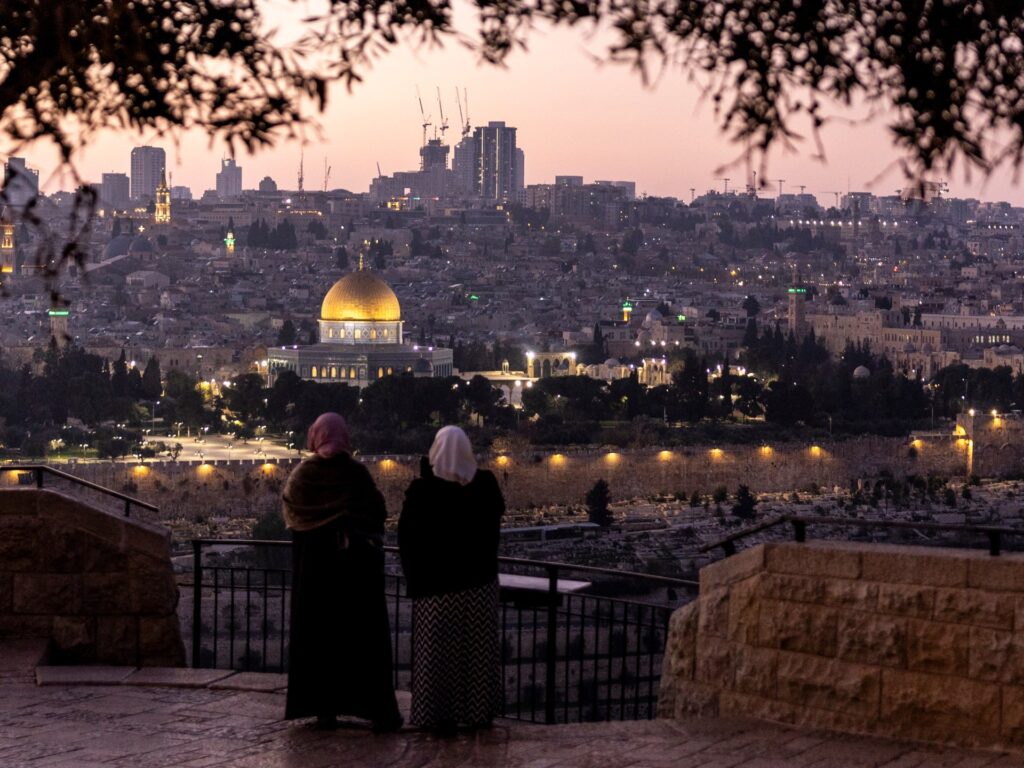
In a recent surge of tensions in East Jerusalem, Israeli settlers have stormed the Al-Aqsa Mosque compound, a site of profound religious significance and political sensitivity. This latest incident marks a concerning escalation in the ongoing conflict over Jerusalem’s holy sites, underscoring the fragile status quo and the deep divisions between Israelis and Palestinians.
The Al-Aqsa Mosque, one of Islam’s holiest sites, is located within the Old City of Jerusalem. It has long been a flashpoint for violence and unrest due to its significance to both Muslims and Jews. The recent incursion by settlers is perceived by Palestinians and many in the international community as a provocative act that threatens to destabilize the region further.
Simultaneously, Israeli Prime Minister Benjamin Netanyahu made a highly controversial visit to the Western Wall tunnels, adjacent to the Al-Aqsa compound, during Yom Kippur. This visit was seen by critics as an endorsement of the settler incursions and was met with fierce condemnation from Palestinian officials and international observers alike.
The Western Wall tunnels, an archaeological site next to the Western Wall, are sensitive because they lie beneath parts of the Muslim Quarter of the Old City, intensifying fears of potential changes to the status quo. Netanyahu’s visit amid the religious Yom Kippur holiday, a solemn day of atonement for Jews, was viewed by many as a political statement emphasizing Israeli claims over Jerusalem’s contested holy sites.
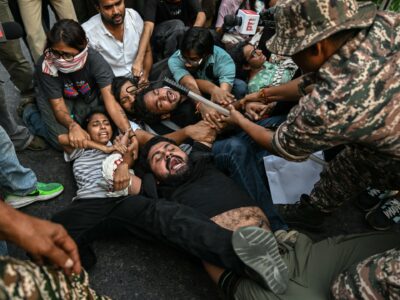
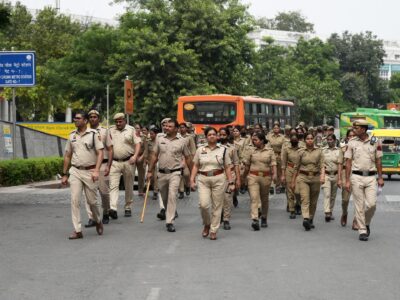
Palestinian leaders and communities have expressed alarm over what they describe as a systematic campaign to assert Israeli control over East Jerusalem areas traditionally inhabited and revered by Palestinians. The settler incursions, often accompanied by police presence, have heightened tensions across the city, leading to protests and clashes.
The international community has frequently called for restraint and respect for the agreed-upon arrangements governing access and worship at Jerusalem’s holy sites. However, incidents like the recent storming of Al-Aqsa and Netanyahu’s visit to the tunnels highlight the precarious nature of these arrangements and the potential for escalation.
This episode occurs against the broader backdrop of unresolved political disputes between Israelis and Palestinians, including disagreements over sovereignty, security, and the future status of Jerusalem. The city remains one of the most contentious issues in the Israeli-Palestinian conflict.
Religious leaders from various communities have urged calm and dialogue to prevent further violence. They emphasize the importance of preserving the sanctity and neutrality of holy sites to avoid exacerbating an already volatile situation.
As the situation develops, the actions of settlers and Israeli officials are likely to continue drawing sharp reactions from Palestinians and the global community. The challenge remains to find a path toward peaceful coexistence and mutual respect for the deeply held spiritual and national claims tied to East Jerusalem’s sacred spaces.