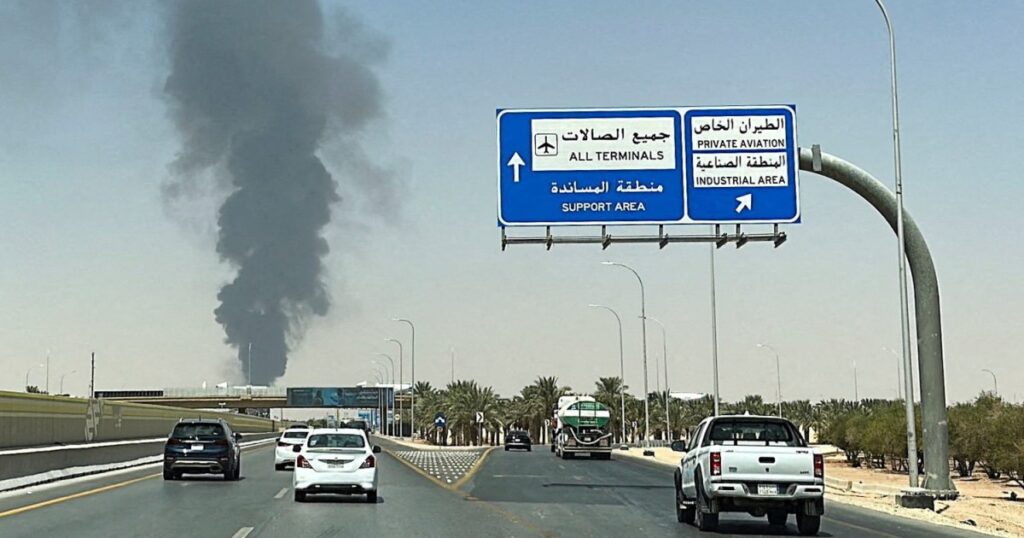
In a recent development signaling a potential shift in Middle Eastern defence dynamics, the Turkish Foreign Minister has publicly expressed Ankara’s preparedness to meet Saudi Arabia’s defence needs. This announcement arrives at a critical juncture as the Houthi rebel group intensifies its attacks, placing increased strain on the security apparatus of Riyadh.
The escalation in Houthi aggression marks a notable challenge for Saudi Arabia, testing not only its military resilience but also the effectiveness of recently agreed trilateral defence pacts involving Turkey. The Turkish Foreign Ministry’s statement underlines a willingness to provide comprehensive support, which could range from supplying military equipment to strategic defence collaboration.
Analysts view Turkey’s offer as a demonstration of its expanding regional influence and a bid to cement stronger ties with Gulf countries, particularly Saudi Arabia. The move might also be seen as an effort to counterbalance other regional powers and enhance the collective security framework against non-state militant actors, such as the Houthis.
The trilateral defence agreement, agreed upon in previous months by Turkey and other regional partners, aims to foster closer military cooperation, intelligence sharing, and coordinated responses to external threats. With the Houthis escalating attacks, this pact is being put to the test, and Turkey’s readiness could be pivotal in reinforcing Saudi Arabia’s defence capabilities.
From Ankara’s perspective, aiding Riyadh could not only stabilize a volatile front but also open doors for further bilateral relations encompassing trade, investment, and diplomatic engagement. It also projects Turkey as a proactive regional player committed to maintaining security and stability in the Gulf region.
On the Saudi side, the offer likely comes as a welcome reassurance amid sustained pressure from Houthi missile strikes and drone incursions. Enhanced defence support could bolster Saudi Arabia’s military deterrence and its capacity to mitigate future threats more effectively.
This development could mark the beginning of deeper military collaboration between Turkey and Saudi Arabia, with potential implications for regional security dynamics. It also highlights the ongoing complexity of the Yemeni conflict, where outside powers remain deeply entwined through various alliances and interests.
In summary, the Turkish Foreign Minister’s announcement reflects a strategic readiness to assist Saudi Arabia against an escalating security challenge. This move offers a glimpse into evolving defence partnerships in the Middle East, underscoring the importance of regional cooperation in countering emergent threats and ensuring stability.