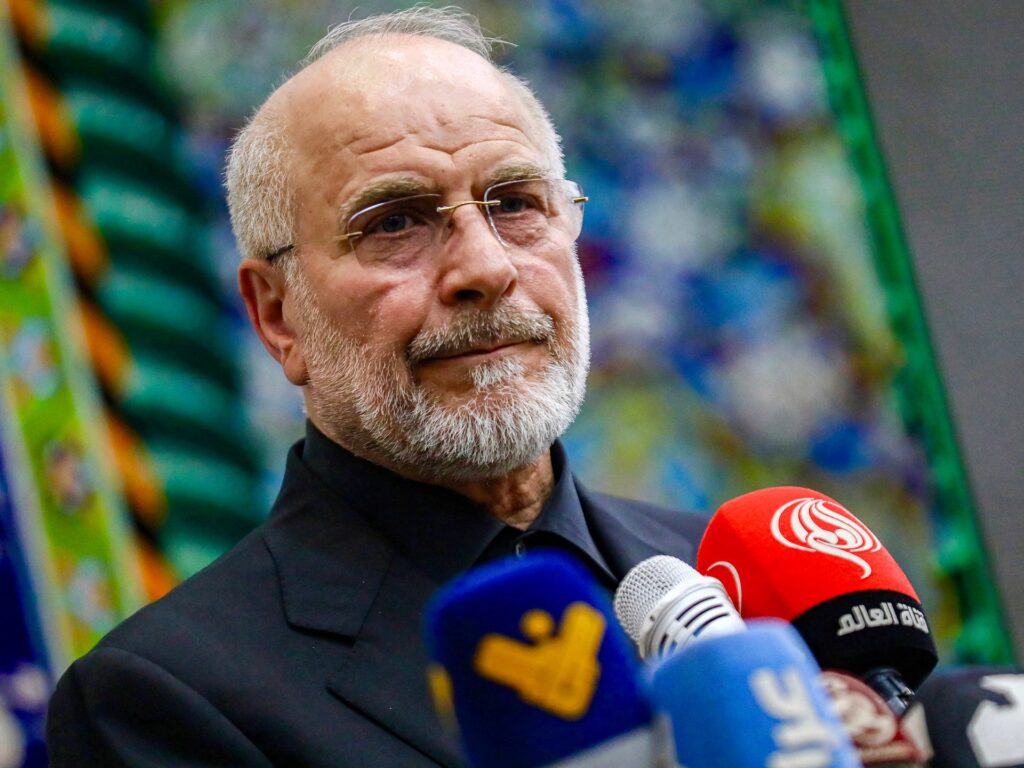
In a recent statement that has stirred considerable attention on the global stage, Iran’s Parliament Speaker Mohammad Bagher Ghalibaf declared a ‘battlefield success’ against the United States even before initiating any formal negotiations. This announcement comes amidst escalating tensions linked to the ongoing US-Israeli conflict, placing Iran’s stance under the international spotlight.
Speaker Ghalibaf’s remarks underscore Iran’s firm position, which he characterized as “entirely clear, rational, and non-negotiable.” Such wording strongly signals Iran’s unwillingness to compromise on key strategic and political principles in the face of external pressures, particularly from the US and its allies.
The context of this assertion is crucial. The US-Israeli conflict has long involved complex regional dynamics, with Iran often perceived as a significant player supporting groups opposing Israeli and American actions. Ghalibaf’s statement likely aims to reinforce Iran’s resolve and capability to influence outcomes in its favor, leveraging both political rhetoric and potential battlefield tactics.
This development comes at a time when international diplomatic channels are open but fraught with challenges. The global community watches closely as Iran refuses to back down, asserting that their priorities and red lines cannot be altered through negotiation pressure. Analysts suggest that this hardline stance might complicate peace efforts and increase the risk of further confrontations.
Iran’s declaration of success prior to talks also serves as a psychological maneuver, boosting domestic morale and signaling strength to its adversaries. It reflects Tehran’s confidence in its strategic planning and military preparedness, potentially serving as a warning to the US and Israel against any aggressive attempts.
The speaker’s comments have already triggered diverse reactions worldwide. Supporters within certain regional factions view it as a commendable assertion of sovereignty and resistance. Conversely, critics argue that such rhetoric heightens tension and undermines prospects for constructive dialogue.
In addition to the political implications, Ghalibaf’s assertion may influence economic and security policies. Markets and international stakeholders might respond to perceived increased instability in the Middle East. Moreover, military alliances and defense postures could be recalibrated in response to Iran’s unyielding position.
In conclusion, Iran’s Parliament Speaker Mohammad Bagher Ghalibaf’s declaration of “battlefield success” reflects a significant strategic posture amid the ongoing US-Israeli war context. His description of Iran’s stance as clear, rational, and non-negotiable signals a steadfast commitment to its principles and a warning that dialogue will not compel Tehran to retreat from its core objectives. As the situation develops, global observers and policymakers will need to carefully assess the implications for regional security and international diplomacy.