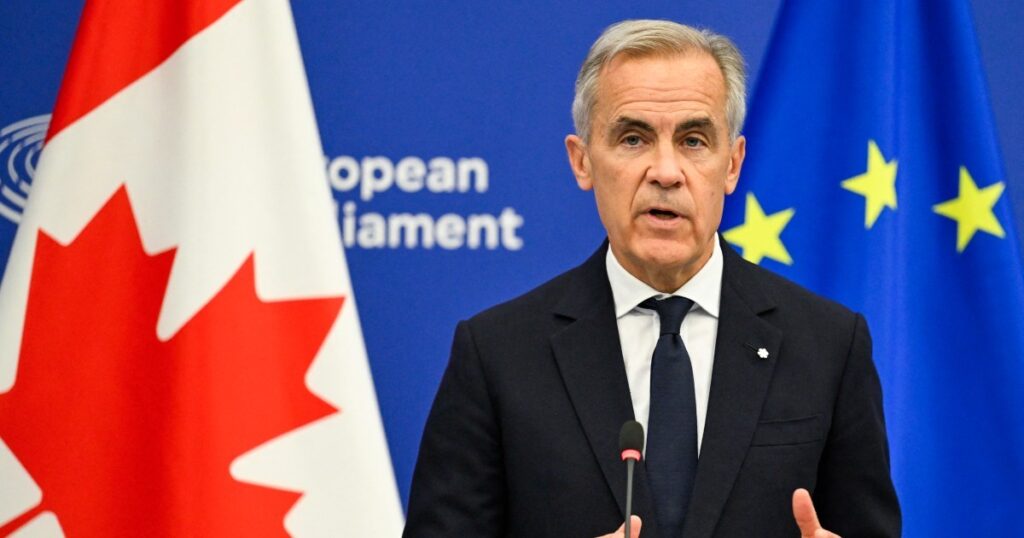
Recent discussions propose a new form of partnership between Canada and the European Union in the form of an ‘associate membership.’ This proposal has generated considerable interest among Canadians, who see it as a gateway to enhanced collaboration across various sectors, including work, study, and trade.
Historically, Canada and the EU have maintained a strong relationship through trade agreements and diplomatic cooperation. The Comprehensive Economic and Trade Agreement (CETA), which came into effect in 2017, has significantly reduced trade barriers, facilitating economic exchanges and investment opportunities. The idea of associate membership aims to build upon this foundation, fostering even closer ties.
One of the key attractions of associate membership is the expanded access it could provide Canadians to the European job market. Many Canadians are eager to explore work opportunities in EU member states. An associate membership could simplify visa procedures and work permits, making it easier for Canadians to live and work in Europe, benefiting both parties in terms of skills exchange and economic growth.
Academic collaboration is another important aspect. Canadian students and researchers view the proposal favorably, anticipating more integrated educational programs and exchange opportunities. This could lead to increased mobility for students and academics, joint research projects, and shared innovation initiatives, enhancing the global competitiveness of institutions on both sides.
Trade, of course, remains a central theme. Businesses in Canada see associate membership as a way to deepen market penetration and ease regulatory complexities. In addition to goods, services—including digital services, finance, and creative industries—could gain improved access to the EU market. Canadian SMEs are particularly interested, as this partnership could provide a boost in exports and collaborations with European counterparts.
Culturally, Canadians appreciate the symbolic and pragmatic significance of closer relations with the EU. Beyond economic and educational benefits, associate membership could lead to enhanced cultural exchanges, promoting mutual understanding and collaboration in arts, media, and public policy.
Policy experts highlight that associate membership would not necessitate full EU membership responsibilities, such as adopting the euro or open borders under the Schengen Agreement. Instead, it focuses on tailored cooperation that respects Canada’s sovereignty while opening new pathways for engagement.
However, challenges remain. Negotiations will need to address immigration policies, regulatory alignment, and industry-specific standards to ensure a smooth partnership. Additionally, public opinion will play a crucial role in shaping political will to move forward with the proposal.
In summary, the idea of associate membership with the EU has sparked optimistic dialogue within Canada. Many see it as an innovative approach to strengthening ties with Europe, offering Canadians new opportunities for work, study, and trade, and potentially setting a precedent for other nations interested in closer collaboration with the European Union.