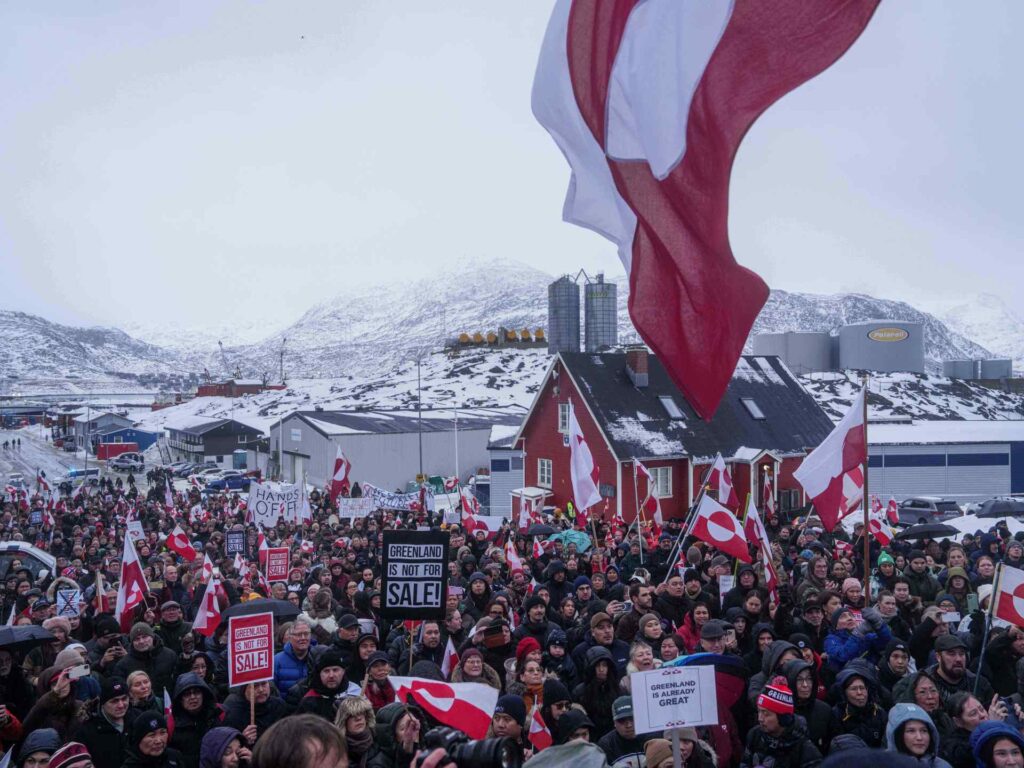
Denmark has firmly stated that its recent agreement with the United States concerning Greenland is “binding” but does not compromise the island’s sovereignty. This reassurance comes amidst growing international attention on Greenland, driven largely by the strategic interests of global powers in the Arctic region, particularly the US.
For some time, former US President Donald Trump expressed a pronounced interest in Greenland, a vast island under Danish control, highlighting its significant geopolitical importance. The Arctic region, long remote and sparsely inhabited, is gaining unprecedented relevance due to climate change and melting ice, revealing new pathways and vast natural resources.
The Arctic’s warming is creating opportunities for resource exploration, navigation routes, and military positioning, turning it into a strategic arena where countries like the US, Russia, China, and Denmark seek to assert influence.
Denmark’s recent agreement with the US underscores the shared interest in establishing a cooperative framework, particularly regarding Greenland’s defense and development. Danish officials emphasized that while the deal is legally binding, it fully respects Greenland’s autonomous status and the sovereignty of Denmark over the territory.
Greenland enjoys self-rule granted by Denmark since 1979 and extended in 2009, allowing it to govern most domestic affairs. The island’s government has also been cautious about foreign investments and military setups, aiming to balance development with preserving its cultural and political autonomy.
The US interest in Greenland is motivated by its strategic location, which could serve as a critical military and logistical hub in the Arctic. This interest has sparked discussions around defense alliances, infrastructure projects, and economic cooperation, potentially boosting Greenland’s growth but also bringing diplomatic and sovereignty considerations to the fore.
Critics argue that any foreign military presence or expansion of US influence risks infringing on Greenland’s autonomy and could trigger geopolitical tensions. Denmark’s government, however, stresses transparency and partnership, ensuring that agreements involve consultations with Greenlandic authorities and respect local governance.
The broader strategic context involves several powers seeking supremacy in the Arctic, a region rich in untapped resources like oil, gas, and minerals. Thawing ice is also opening new maritime routes that could shorten global shipping times and reshape international trade patterns.
Denmark’s stance reflects a careful diplomatic balancing act to maintain sovereignty while engaging with global powers on matters of mutual interest. For Greenland, the evolving geopolitical landscape presents both opportunities for economic development and challenges in safeguarding its self-rule.
As climate change continues to transform the Arctic environment, the coming years are likely to witness intensified international competition and collaboration. How Greenland navigates this complex terrain will have implications for regional stability, environmental stewardship, and indigenous rights.
In summary, Denmark asserts that its US deal concerning Greenland is binding but does not compromise sovereignty, positioning the territory within a delicate strategic framework that balances national interests, Arctic geopolitics, and Greenland’s autonomous status.