The European Union has called on the United States to lift the travel ban imposed on the Palestinian delegation, allowing them to attend the upcoming United Nations General Assembly (UNGA) meeting. This request comes as a response to the current restrictions preventing Palestinian President Mahmoud Abbas and his delegation from traveling to New York to participate in this significant international gathering.
The UNGA, which serves as a major platform for global diplomacy and discussion of pressing international issues, is expected to convene with representatives from all member states. Palestinian leaders traditionally use this opportunity to address the international community regarding their political and humanitarian concerns.
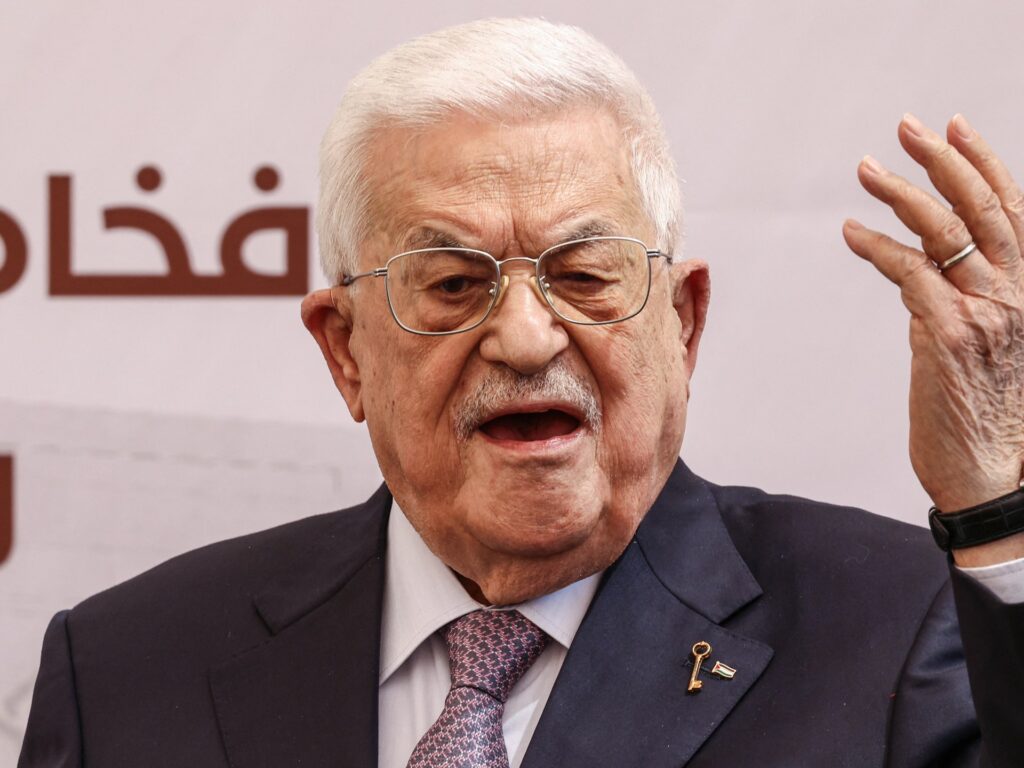
Due to the travel ban, President Abbas will be unable to attend the assembly in person. However, the United Nations has arranged for him to address the assembly via a prerecorded video message. This move aims to ensure that the Palestinian viewpoint is still represented despite the travel restrictions.
The EU emphasized the importance of facilitating the participation of all parties in such global forums to uphold the principles of dialogue and cooperation. The travel ban is seen by many as a hindrance to diplomatic engagement and efforts to achieve peace and stability in the region.
The EU’s appeal highlights the broader context of international calls for enabling full participation in UN proceedings, especially for representatives from politically sensitive regions. The move by the UN to accept a prerecorded address signals a compromise to maintain inclusivity while navigating current geopolitical tensions.
This development underscores the ongoing complexities in Middle Eastern diplomacy and the role of international organizations in mediating these challenges. The outcome of the EU’s request and the US response could have significant implications for future diplomatic engagements and the overall peace process.
Observers note that maintaining open channels for dialogue at the UN is crucial for fostering mutual understanding and addressing core issues facing the Palestinian people. The situation continues to attract global attention as stakeholders await further updates on the travel ban and its potential easing.
In summary, the European Union’s push to lift the US-imposed travel ban on the Palestinian delegation to the UNGA highlights the importance of inclusive international dialogue. While President Abbas will participate via prerecorded video, the incident reflects the larger challenges facing diplomacy in the context of geopolitical conflicts and international travel restrictions.