As tensions in the region continue to unfold, Tehran has announced ongoing efforts to reinstate the Memorandum of Understanding (MoU) with Islamabad. This development marks a significant diplomatic move amidst the evolving geopolitical landscape.
The MoU, previously established to foster cooperation between Iran and Pakistan, holds strategic importance for both nations. Tehran’s interior ministry spokesperson highlighted that reactivating this pact is a priority, aiming to strengthen bilateral ties and address mutual regional challenges.
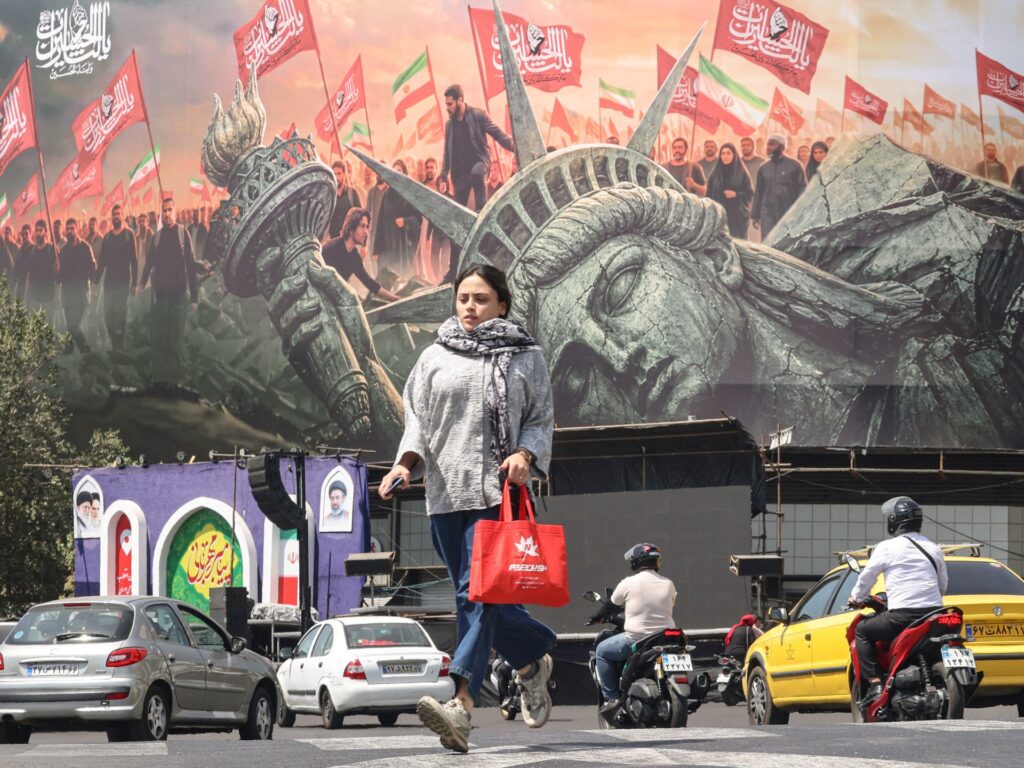
In addition to diplomatic efforts, the interior ministry expressed concerns regarding domestic economic issues. Rising prices have become a major worry for the Iranian population, signaling potential inflationary pressures impacting everyday life. The spokesperson acknowledged that the government is aware of the public’s distress caused by escalating costs and is presumably seeking ways to mitigate the economic burden.
The current situation underscores a dual focus for Iran’s administration: navigating complex international relations while grappling with pressing internal economic difficulties. The reinstatement of the MoU with Islamabad may also play a role in fostering regional stability and economic collaboration.
Experts suggest that renewed cooperation between Tehran and Islamabad could facilitate shared initiatives in security, trade, and infrastructure development, benefiting both countries amid broader regional uncertainties.
Meanwhile, the domestic economic strain reflected in rising prices could potentially influence public sentiment and government policies moving forward. Addressing these economic challenges remains critical to maintaining social stability and ensuring continued public support.
As the situation develops, both diplomatic and economic dimensions will be closely monitored by regional observers and the international community. Tehran’s efforts to restore ties with Islamabad, coupled with addressing internal concerns, represent a strategic balancing act in an increasingly complex regional environment.
The Iranian government’s approach could set a precedent for how nations in the area engage with one another while managing domestic challenges concurrently. Monitoring these efforts will be essential for understanding the broader implications on regional security and economic resilience.
This evolving story will continue to be updated as new information emerges, highlighting the interconnected nature of diplomacy and economic welfare in Iran’s current context.