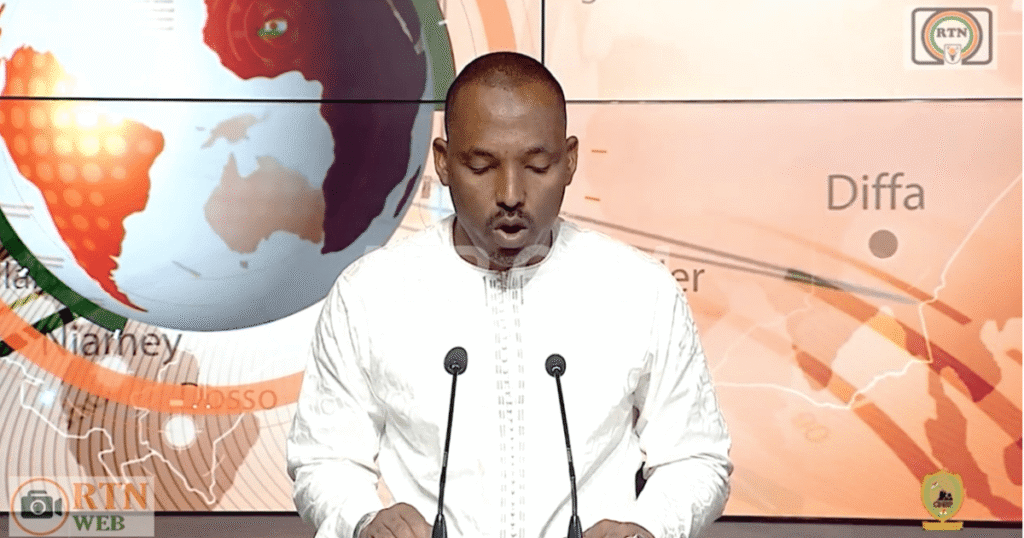
In a decisive move to consolidate power and restore order within its ranks, the military government of Niger has carried out a significant reshuffle of its army command weeks after a failed and deadly mutiny shook the nation. The mutiny, which resulted in casualties and exposed vulnerabilities within the military hierarchy, tested the grip of Niger’s military rulers on the country’s stability.
The government appointed a new chief of staff, signaling a strategic effort to rebuild confidence and tighten control over the armed forces. This leadership change comes at a crucial juncture as Niger navigates a period of political uncertainty following the military takeover.
Sources close to the military leadership revealed that the appointment aims to inject fresh energy and discipline into the army’s command structure, preventing future insurrections and ensuring loyalty to the ruling junta. Details about the new chief of staff’s background and military credentials have not been widely disclosed yet, but the move is being seen as a signal of a hardening stance toward dissent within the ranks.
The mutiny itself was a stark reminder of the challenges facing the military government, highlighting fractures and unrest among troops dissatisfied with conditions, leadership, or the political direction of the country. The rebellion was ultimately quelled, but its repercussions prompted a thorough review and reorganization of key military positions.
Observers note that Niger’s military rulers are keenly aware that maintaining the support of the armed forces is critical to their survival in power. As such, the reshuffle is also a message to both domestic and international audiences that the junta is committed to stabilizing the armed forces and preventing further disruptions.
Since the coup that brought the military government to power, the country has faced various security challenges including insurgencies and political opposition. The failed mutiny added a new layer of complexity, forcing military leaders to address internal cohesion with urgency.
The reshuffle is expected to have broader implications not just for military operations but also for Niger’s broader political landscape. It may influence how the government manages security policies, interacts with civilian populations, and engages with international partners who have expressed concern over the military-led governance.
Experts analyzing the situation suggest that this move could either strengthen the junta’s hold by eliminating unreliable elements within the army or potentially exacerbate tensions if not managed with careful attention to the concerns of rank-and-file soldiers.
The international community has called for Niger’s leadership to pursue a path toward democratic transition and stability, and how the military conducts itself in the coming months will be critical in shaping Niger’s future. The recent reshuffle is seen as a pivotal step in that direction, underscoring the importance the military places on discipline, loyalty, and strategic command in turbulent times.
As Niger moves forward, the eyes of both its citizens and the world remain fixed on the developments within its armed forces, whose evolution will undoubtedly shape the nation’s trajectory in the months and years to come.