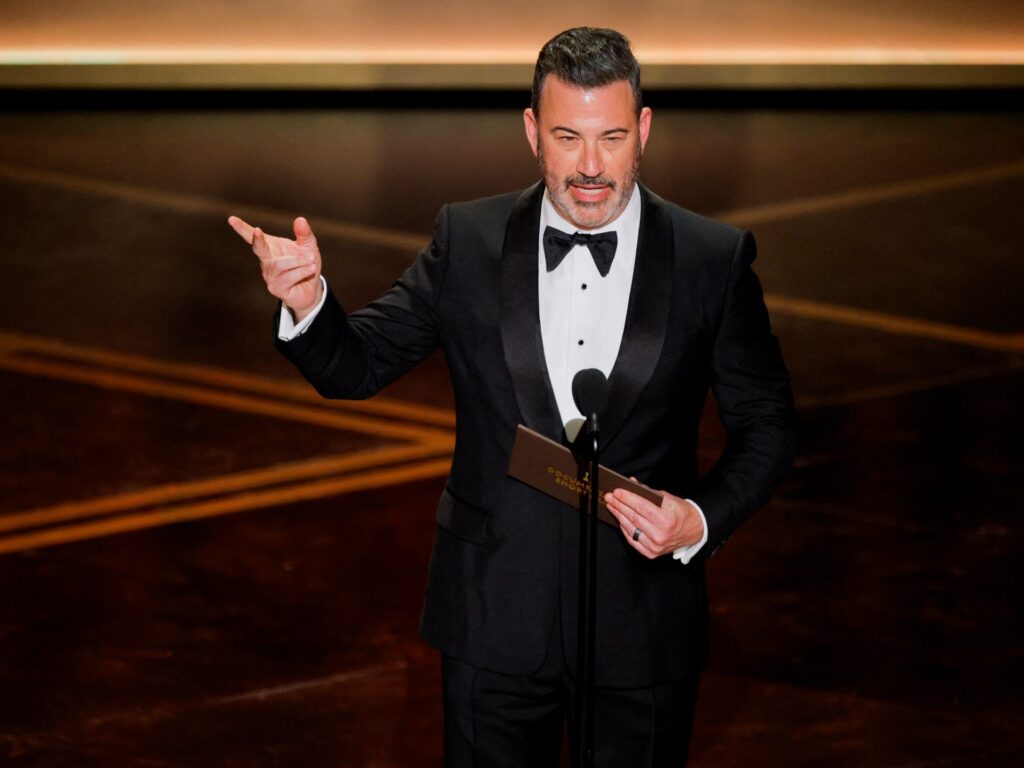
In a notable shift, Jimmy Kimmel has decided to move his upcoming Senate interview from the Disney-owned network to YouTube. This move signals a significant moment in the ongoing clash between content creators and regulatory authorities, particularly the Federal Communications Commission (FCC).
The decision comes after a year marked by increasing regulatory challenges surrounding candidate appearances on television networks owned by major conglomerates like Disney. These hurdles have made it increasingly difficult for shows under such umbrellas to host political candidates without encountering complex legal and regulatory scrutiny.
Jimmy Kimmel, known for his late-night talk show, has been at the forefront of blending political discourse with entertainment. However, the new wave of FCC regulations has complicated how networks air political content, especially during sensitive campaign periods.
By shifting the interview to YouTube, Kimmel is leveraging the platform’s relative freedom from traditional broadcast regulations. Unlike television networks, YouTube operates under different content rules, which can provide more flexibility for political discussions without the same level of government oversight.
This change also reflects broader trends in media consumption, where online platforms are increasingly becoming venues for serious political content, rivaling conventional TV broadcasts. The move to YouTube could set a precedent for other content creators facing similar regulatory issues.
Industry experts view this as a reaction to heightened scrutiny by the FCC, which has been tightening rules around candidate appearances to ensure fairness and transparency in campaign coverage. While these regulations aim to maintain balanced political discourse, they have inadvertently created operational challenges for networks and shows.
Disney, as the parent company of the original network hosting Kimmel’s show, has had to navigate these turbulent waters carefully. The company faces the challenge of balancing regulatory compliance with the need to provide engaging political content that resonates with viewers.
For viewers, the shift to YouTube means easier access to Kimmel’s Senate interview, potentially attracting a younger, more digitally engaged audience. This demographic is typically more comfortable with online streaming and less reliant on traditional cable networks for news and entertainment.
The move also raises questions about the future of political interviews and the platforms best suited for them. Will we see a continued migration from traditional broadcast channels to digital platforms? Or will regulatory frameworks evolve to keep pace with changing media landscapes?
Jimmy Kimmel’s decision underscores the complex intersection of media, politics, and regulation in today’s digital age. As platforms compete to host political discourse, the ongoing dialogue between content creators and regulators will likely shape how audiences engage with political content moving forward.
Ultimately, this episode highlights the challenges and opportunities that arise when traditional media meets the evolving digital ecosystem, emphasizing the importance of flexibility and adaptability in media production and distribution.