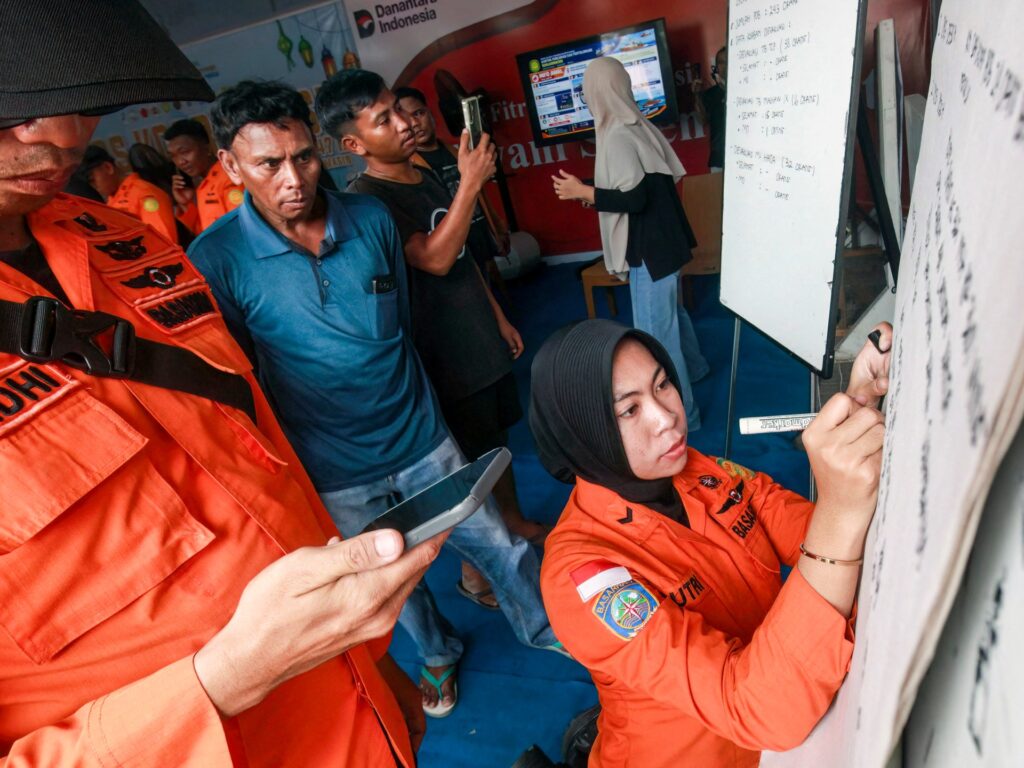
Search and rescue operations are underway following the sinking of the Indonesian passenger ship Virgo Transport 8. The vessel, which was carrying 243 people, lost contact with its operator during its journey, prompting immediate emergency response efforts. Rescuers are now actively searching for over 100 individuals who remain missing after the tragedy.
The ship’s disappearance from communication came as a shock to maritime authorities, who quickly dispatched search teams to the last known location of the vessel. The urgency of the situation was heightened by the large number of passengers on board, many of whom are believed to be civilians traveling for various reasons.
Rescue teams comprising the Indonesian Navy, Coast Guard, and local volunteers are combing the waters and surrounding islands using boats, helicopters, and drones to locate survivors. Efforts also include divers searching underwater wreckage in hopes of finding trapped or injured passengers.
Local hospitals have been put on alert to receive survivors needing urgent medical attention. Meanwhile, families of those on board are anxiously awaiting news, with officials providing regular updates to manage the flow of information and offer support.
The cause of the sinking remains under investigation, with initial reports suggesting that bad weather or mechanical failure may have played a role. The maritime authority has pledged a thorough investigation to uncover the circumstances leading to the disaster.
This incident raises concerns about maritime safety standards and the regulation of passenger vessels in Indonesia, a country with thousands of islands reliant on sea transport. Authorities have called for stricter enforcement of safety measures to prevent future tragedies.
As the search continues, humanitarian organizations are mobilizing to provide aid to those affected by the disaster. Rescue efforts are expected to take days, given the challenging conditions and the vast search area.
The sinking of Virgo Transport 8 is a stark reminder of the risks involved in maritime travel in the region. It underscores the critical need for enhanced safety protocols, improved communication systems, and better emergency preparedness to protect lives on Indonesia’s busy waterways.