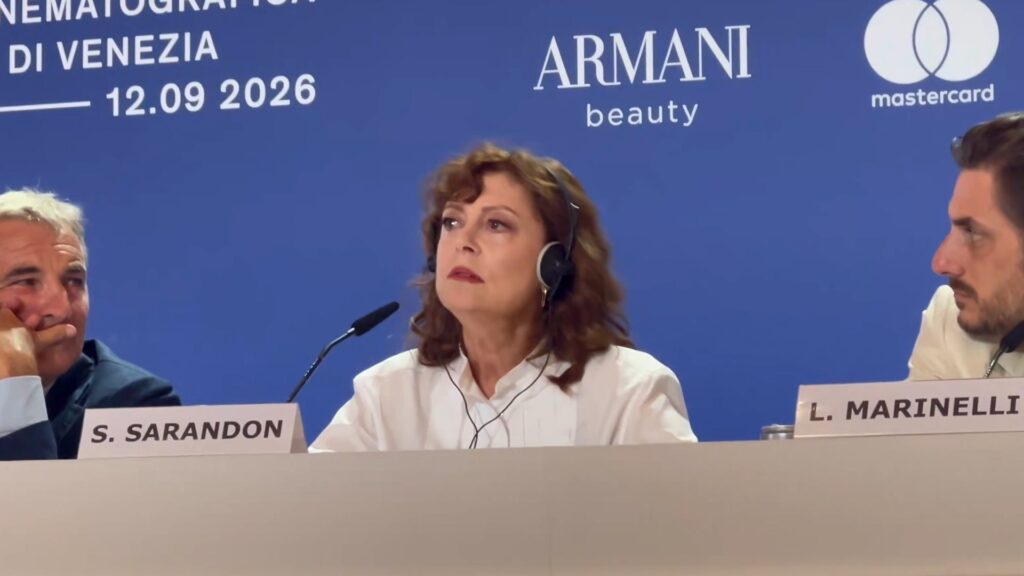
Susan Sarandon, the acclaimed American actress and activist, has publicly stated that her outspoken support for Palestine has cost her film roles. Despite her long-standing career in Hollywood and numerous accolades, Sarandon revealed that her political stance has had professional repercussions, affecting casting decisions in the film industry.
Sarandon has long been an advocate for various social and political causes, including human rights issues and social justice movements. Her advocacy for Palestinian rights is among the more controversial positions she has taken, which has sometimes put her at odds with industry professionals and producers.
During interviews and public remarks, Sarandon has expressed frustration that her political views on the Israel-Palestine conflict have led to her being blacklisted or overlooked for roles. She emphasized that her support for Palestine stems from a belief in human rights and justice, and she remains committed to raising awareness about the plight of Palestinians.
The actress also highlighted the broader challenges faced by artists who take strong stances on geopolitical issues, noting that the entertainment industry often prefers to avoid controversy. Her experience underscores the risk actors and filmmakers face when their activism intersects with politically sensitive topics.
Sarandon’s willingness to speak openly about her experiences has sparked conversations about freedom of expression in Hollywood and the impact of politics on career opportunities. While some industry insiders defend the creative community’s right to engage with political discourse, others believe commercial considerations and audience sensitivities heavily influence casting choices.
The issue reflects a larger trend where celebrities’ political beliefs can influence public perception and professional prospects. Sarandon’s case serves as an example of how the intersection of art, activism, and politics can lead to both support and backlash.
Despite these obstacles, Susan Sarandon remains a prominent figure in Hollywood and continues to advocate for causes she believes in, using her platform to highlight issues beyond the film industry. Her persistence illustrates the ongoing tension between personal conviction and professional consequences in the world of entertainment.
Her experiences also invite broader reflection on how industries handle differing political viewpoints and the importance of protecting free expression while navigating complex global issues. As discussions about Israel and Palestine continue worldwide, Sarandon’s story is a reminder of the personal costs that can accompany political activism in highly public careers.