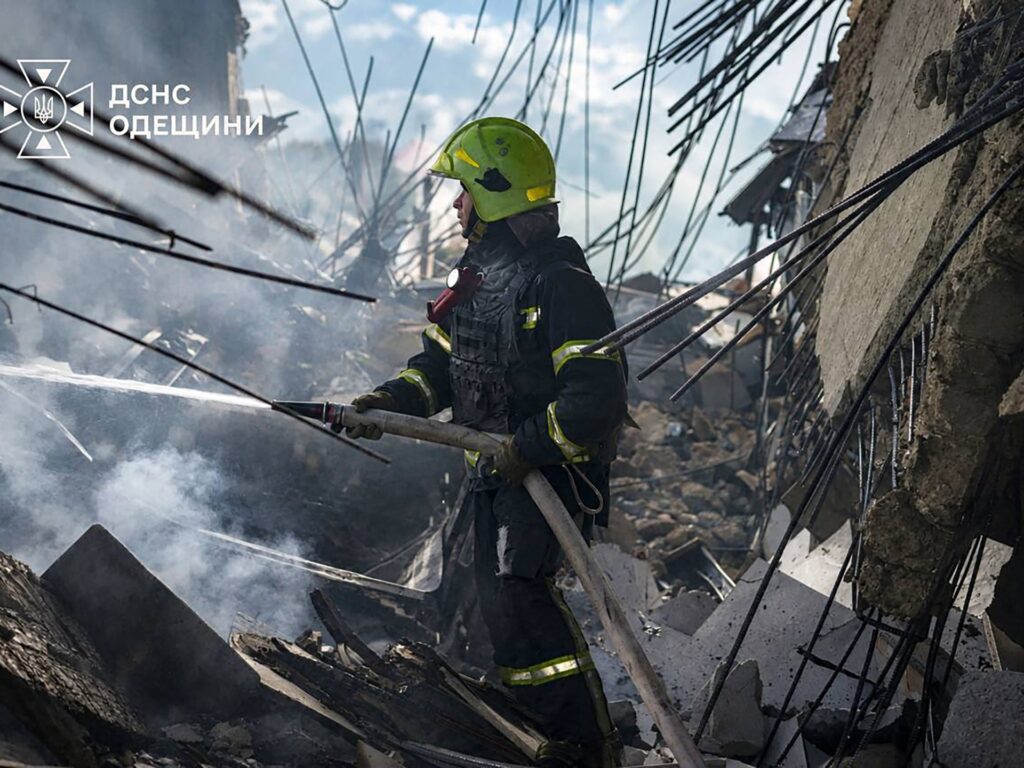
In a significant escalation of the ongoing conflict between Ukraine and Russia, recent drone strikes carried out by Ukraine have resulted in the deaths of four individuals. This development comes as both nations continue to exchange attacks using waves of drones, highlighting the intensifying warfare near the sensitive border region close to Poland.
The Ukraine drone strikes specifically targeted locations inside Russian territory, marking a continuation of Kyiv’s strategy to leverage unmanned aerial vehicles to undermine Russian military and logistical capabilities. Russian officials have confirmed the fatal casualties attributed to these strikes but have not disclosed the specific sites or the identities of those killed.
In retaliation, Russia has launched its own wave of drone assaults focused on areas within Ukraine, maintaining a tit-for-tat pattern of aerial aggression. The persistent drone warfare signifies a tactical shift in this conflict, where unmanned aerial technology plays a crucial role in reconnaissance and offensive operations.
The border area near Poland is of particular geopolitical concern because Poland is a member of NATO, and any spillover or escalation near this frontier raises alarms among Western allies. The proximity of the conflict to NATO territory increases the risk of unintended incidents or miscalculations that could broaden the conflict beyond Ukraine and Russia.
International communities and governments have expressed deep concern over the escalating drone attacks. There is a growing call for restraint and diplomatic efforts to de-escalate tensions in the region to prevent further loss of life and the possibility of the conflict expanding.
Experts analyzing the conflict note that drone strikes have become a common feature in modern warfare, offering both tactical advantages and challenges. The use of drones reduces risk to personnel but increases the pace and unpredictability of attacks.
As both Ukraine and Russia continue their drone campaigns, civilians in affected areas face heightened danger, with infrastructure and homes increasingly targeted or damaged. Humanitarian agencies warn of worsening conditions for civilians caught in the conflict zones, urging for immediate ceasefires and aid access.
The situation remains volatile, with both sides showing no signs of backing down from their aggressive tactics. The international community continues to monitor developments closely, hoping for diplomatic breakthroughs to bring an end to the ongoing violence.