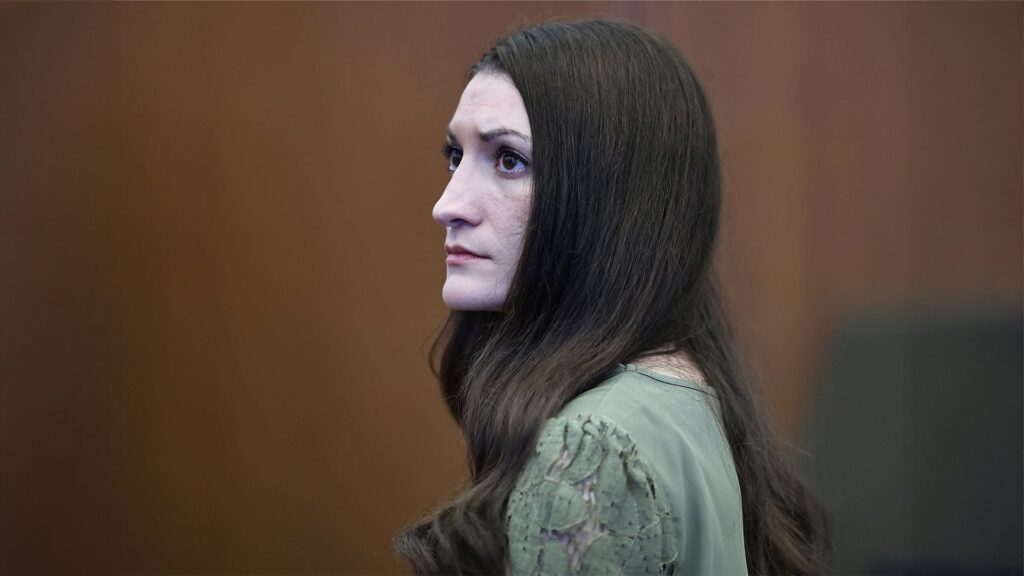
The highly anticipated trial of Lindsay Clancy, accused of murdering her three children, has ended abruptly with a judge declaring a mistrial. The case, which drew significant media attention due to its tragic nature and the serious charges involved, now faces an uncertain path forward as legal teams regroup.
Lindsay Clancy, a mother, was on trial for the deaths of her three young children, a case that shocked the community and garnered nationwide coverage. The details surrounding the incident are harrowing, and the trial sought to uncover the full circumstances leading up to the fatalities.
The mistrial declaration means that the trial did not reach a verdict, and the judge found reason to halt proceedings. Reasons for mistrials vary but often involve issues such as a hung jury, procedural errors, or new evidence surfacing during the trial. In this case, the specific cause has not been publicly disclosed yet.
Legal experts note that declaring a mistrial is not uncommon in complex and emotionally charged cases like this one. It provides both the prosecution and defense an opportunity to reassess their strategies before a possible retrial. The prosecution must decide whether to retry the case or drop the charges, while the defense may renegotiate terms or prepare for a new trial.
The families and community members affected by the tragedy continue to seek closure and justice, which remains pending due to the mistrial. This declaration often brings mixed emotions—a setback in the pursuit of resolution but also a chance to ensure that a fair and thorough judicial process is maintained.
Public reaction has been varied, with some expressing disappointment over the mistrial, hoping that the truth will soon be fully revealed, and justice will be served. Others emphasize the importance of due process, highlighting that the legal system must operate without bias and with complete adherence to law.
The case had earlier included graphic testimony and evidence, deeply affecting those present in the courtroom. Mental health issues and other factors related to Lindsay Clancy’s background were also scrutinized during the trial, adding layers of complexity to the prosecution’s case.
Now, legal proceedings are at a crossroads. Future dates for a potential retrial have not yet been determined. Meanwhile, attorneys on both sides prepare for possible next steps amidst the high-profile nature of the case.
As the judicial process moves forward, many hope that the eventual resolution will bring clarity and a sense of justice to the grieving families and community while respecting the legal standards necessary for such a serious case.