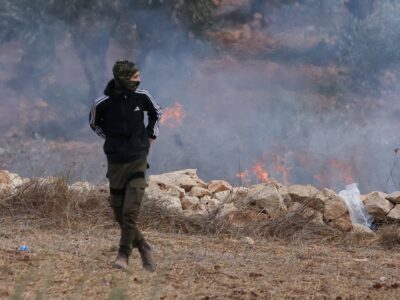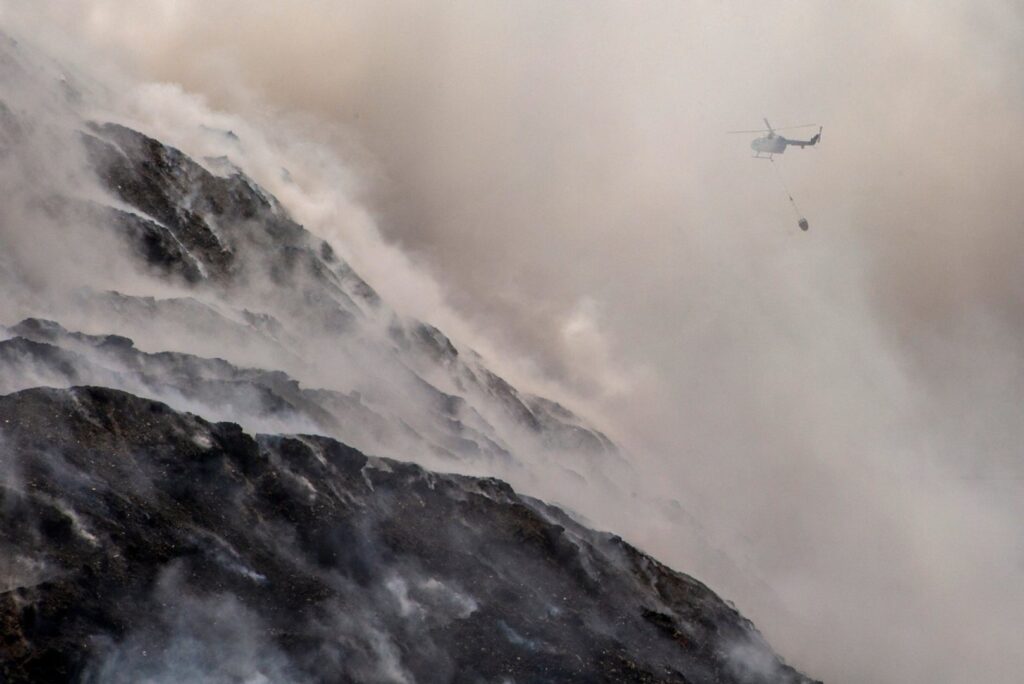
Indonesia is currently battling extensive wildfires in its Kalimantan province, which have escalated into a major environmental crisis. The fires have been burning for weeks, fueled by dry conditions and the clearing of land for agriculture, primarily palm oil plantations. As a result, thick smoke and toxic haze have spread across Southeast Asia, affecting neighboring countries and causing severe air quality issues.
The haze, laden with harmful particulates and chemicals, poses significant health risks including respiratory problems, eye irritation, and exacerbation of chronic diseases. Major cities in Indonesia, Malaysia, Singapore, and parts of Thailand have reported hazardous air quality levels, leading authorities to issue health advisories and recommend residents limit outdoor activities.
The wildfires are not only an environmental disaster but also a contributor to greenhouse gas emissions, accelerating global warming. Efforts to control the blazes have been complicated by difficult terrain, limited resources, and ongoing dry weather. Firefighting teams, government agencies, and international partners are working tirelessly to contain the situation.
These recurring wildfires highlight the urgent need for sustainable land management practices and stricter enforcement of environmental laws in the region. Additionally, the impact on local communities, wildlife, and biodiversity is profound, with many species losing their habitats and residents facing displacement.
Environmental activists and experts stress the importance of regional cooperation to address the root causes of the fires, promote reforestation, and invest in monitoring systems to prevent future outbreaks. The Indonesian government has pledged to increase preventive measures and improve fire response capabilities in the coming years.
As Southeast Asia grapples with this toxic haze crisis, it serves as a stark reminder of the interconnectedness of environmental health and human well-being, calling for urgent action at both national and international levels.