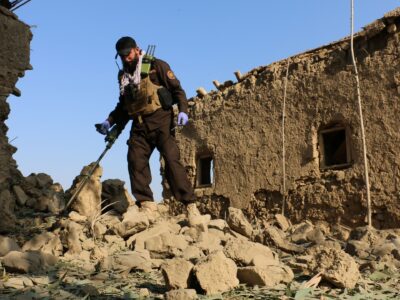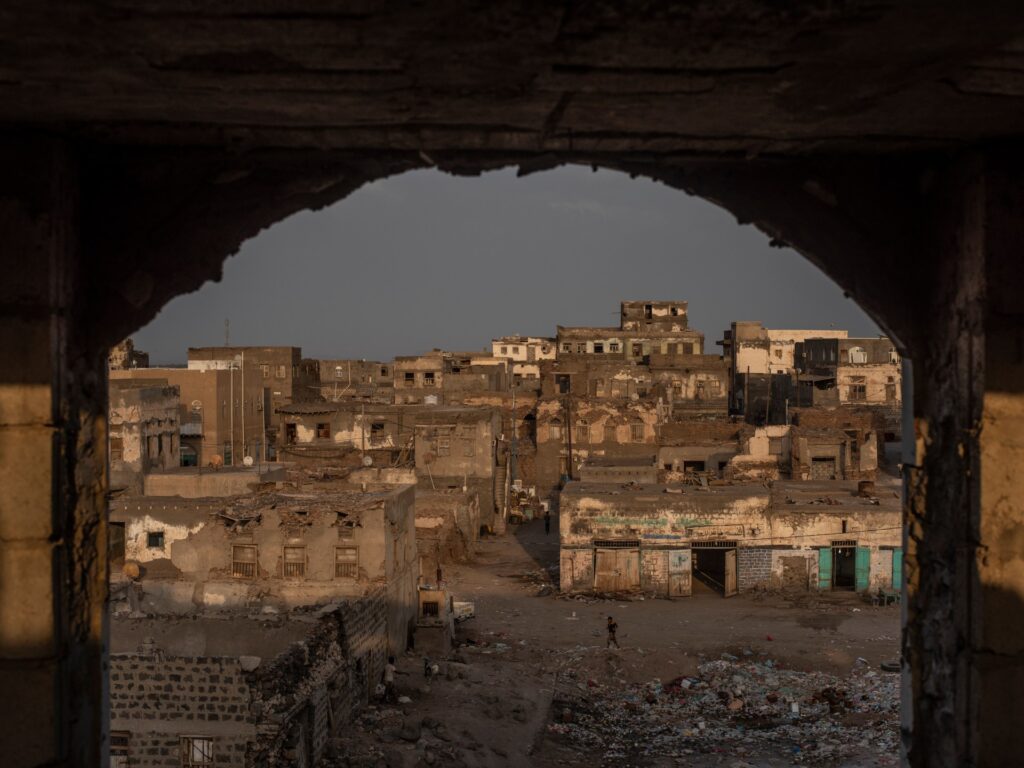
Yemen’s military forces have announced the recapture of a strategically important area following intense clashes with Houthi rebel fighters. The recent conflict, which has spanned over two days, has resulted in significant casualties on both sides, highlighting the enduring volatility in the region.
The fighting erupted between government troops loyal to Yemen’s internationally recognized government and the Houthi movement, which controls substantial portions of northern Yemen, including the capital, Sana’a. The contested territory, whose control is crucial for military and logistical advantages, became the focal point of fierce battles.
According to military officials, government forces mounted a well-coordinated offensive that successfully pushed back the Houthi fighters, regaining control of the area. This advance is regarded as a pivotal development in weakening the Houthi’s operational capabilities in that part of Yemen.
Casualty reports indicate that dozens of combatants from both sides have been killed, though exact numbers remain difficult to verify due to restricted access and ongoing hostilities. The human toll underscores the heavy price paid by Yemenis amid the protracted conflict.
The clash is part of a broader conflict that has been raging in Yemen for several years, marked by repeated cycles of violence, shifting alliances, and significant humanitarian challenges. The war, which began in 2014 when Houthi rebels seized the capital, has evolved into a complex and multifaceted conflict involving local, regional, and international actors.
Efforts to negotiate peace and broker ceasefires have faced numerous setbacks, with both sides accusing each other of violations and bad faith. Meanwhile, the civilian population continues to suffer from the consequences of war, including displacement, food insecurity, and limited access to medical care.
International organizations have repeatedly called for an end to hostilities and a return to dialogue to prevent further deterioration of the security and humanitarian situation. The recent government territorial gains could have implications for future negotiations, potentially altering the balance of power on the ground.
Military analysts suggest that control over key geographical points within Yemen not only provides tactical advantages but also serves as a symbol of legitimacy and strength for both the government and Houthi factions.
As the conflict persists, the Yemeni army’s recapture of this key territory represents a notable shift in the ongoing struggle. However, the continuation of clashes indicates that the path to lasting peace remains fraught with challenges.
Increased international attention and renewed mediation efforts are critical to preventing further escalations and supporting a comprehensive resolution to Yemen’s enduring conflict. Both sides face pressure to move towards constructive engagement that prioritizes the welfare of Yemen’s citizens and regional stability.
The situation remains fluid, with developments on the ground closely monitored by global actors concerned about the broader implications for Middle Eastern security and humanitarian concerns. This recent military success for Yemen’s government forces adds a complex layer to what is already a deeply complicated and longstanding war.
As Yemen struggles to overcome the turmoil, the hope remains that further dialogue and compromise can eventually pave the way for peace, alleviating the suffering of millions caught in the crossfire of this protracted conflict.