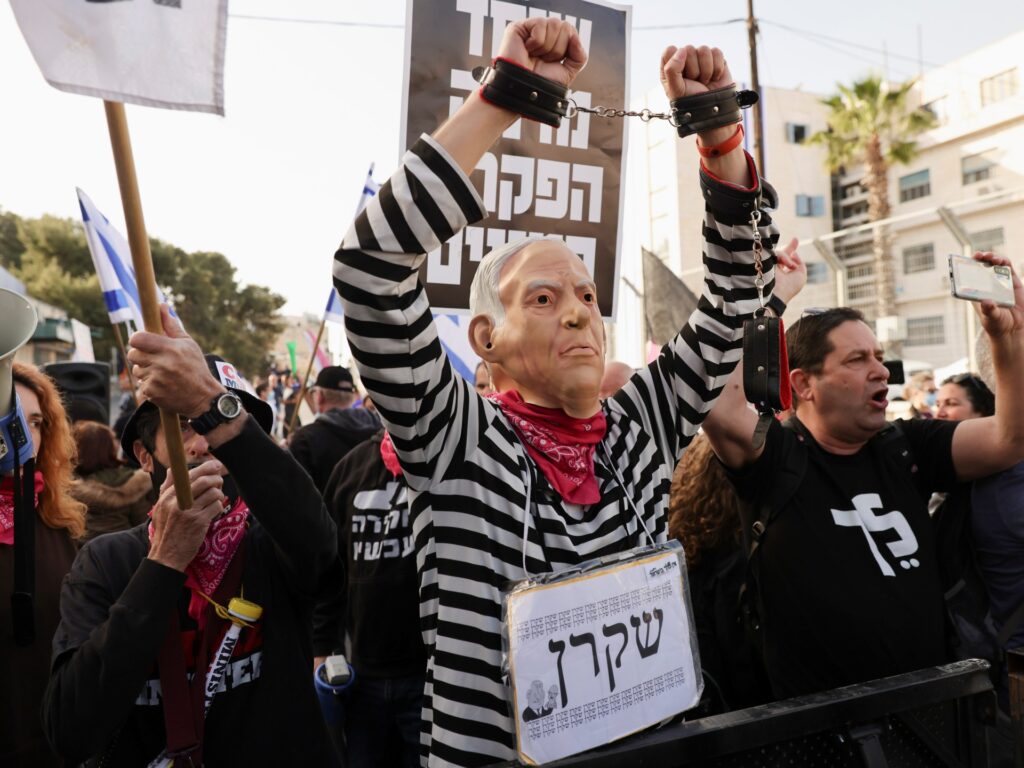
Three years after the October 7 attack, its repercussions continue to influence the political landscape of Israel profoundly. This tragic event has become a pivotal reference point in the country’s ongoing political discourse, especially as national elections approach. Prime Minister Benjamin Netanyahu finds himself under increasing scrutiny and pressure, with opponents criticizing his leadership and handling of security issues. The attack, which shook the nation, is often cited by various political factions to validate their positions or criticize their rivals.
Netanyahu, known for his political resilience, has been actively deflecting blame for any perceived security lapses linked to the event. His approach underscores the high stakes involved, as the electorate debates the future direction of the country amidst concerns about safety and governance. The memory of October 7 remains vivid in the public sphere, impacting voter sentiment and shaping political narratives.
Opposition parties leverage the event to question Netanyahu’s credibility, pushing the narrative that the government’s failures contributed to vulnerabilities that were exploited. This blame game has intensified political polarization, with each side attempting to claim the mantle of security and competence. The attack’s legacy thus extends beyond its immediate consequences, becoming a symbol around which electoral battles are fought.
Moreover, the attack has led to a broader discussion on national security policies, intelligence reforms, and military preparedness. Israeli society grapples with the implications of October 7 as it navigates through political uncertainty. The leadership contest is increasingly framed around who can best safeguard the nation against such threats in the future.
As the election date nears, October 7 remains central to campaign strategies, media coverage, and public debates. It serves as a stark reminder of the challenges Israel faces and the critical importance of leadership that can effectively address these issues. The political blame surrounding the attack highlights the complex interplay between security crises and democratic processes.
In conclusion, the October 7 attack’s enduring influence on Israeli politics exemplifies how traumatic events can shape national dialogues and electoral outcomes. Netanyahu’s struggle to maintain authority amid criticism reflects the broader challenges leaders face when national security is at stake. Ultimately, the event’s legacy will continue to guide Israel’s political trajectory and policy decisions in coming years.