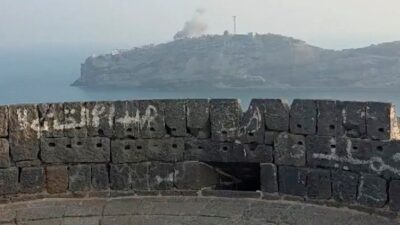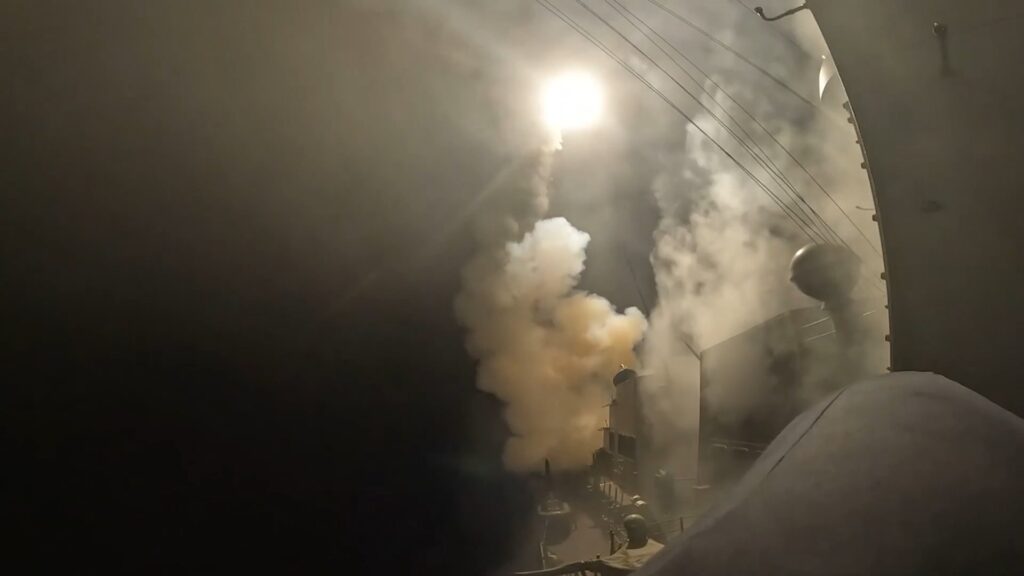
In a significant escalation of military activity, the United States has launched new strikes against targets on Iran’s southern coast. These strikes come amid growing tensions in the region and have been reported to cause explosions at several locations.
The strikes represent a continuation of the US’s strategic operations aimed at curbing Iranian influence and capabilities in the Middle East. While the attacks have visibly rattled parts of southern Iran, US officials have simultaneously denied that any of their bases in Jordan were targeted or hit during these operations.
This denial is crucial as it attempts to quell any rumors or misinformation about an expanded conflict that could involve US assets in neighboring countries. Jordan, although a key strategic ally for the US in the region, has remained officially out of the direct hotspot dynamics following these events.
Reports from the affected areas in Iran indicate that the explosions disrupted local infrastructure and caused significant disturbances, though details about casualties or the full impact remain unclear. The nature and scale of the targets suggest that the strikes are part of a broader effort to diminish Iran’s ability to deploy missiles and other military resources in the region.
The Iranian government has condemned these attacks, labeling them a violation of its sovereignty and promising a strong response to any further aggression. The strikes have drawn international attention, with calls for restraint and dialogue to prevent further escalation of conflict in this geopolitically sensitive area.
Analysts suggest that the timing of these strikes may be linked to recent political developments and intelligence reports indicating increased Iranian military activities. The US aims to apply pressure on Tehran to curtail its support for proxy groups and its nuclear ambitions.
This development follows a series of confrontations in the region, including previous missile exchanges and cyber operations between the US and Iran. The international community remains watchful as military actions like these have the potential to destabilize the region further.
Diplomatic efforts continue in parallel, with multiple countries advocating for renewed talks aimed at long-lasting peace and security. However, with both sides showing firm stances, the situation remains volatile and unpredictable.
The US military has reaffirmed its commitment to protect its interests and allies in the Middle East, indicating that more operations could be expected if Iranian provocations persist. The Iranian response in the coming days will be critical in determining whether the conflict escalates or if a pathway to de-escalation can be negotiated.
In the meantime, residents near the strike zones have been advised to stay alert and follow safety protocols as authorities assess ongoing security risks. Humanitarian organizations are also monitoring the situation closely to provide assistance if needed.
This latest development adds another complex layer to the ongoing US-Iran relations and has significant implications for regional stability and international diplomacy moving forward.