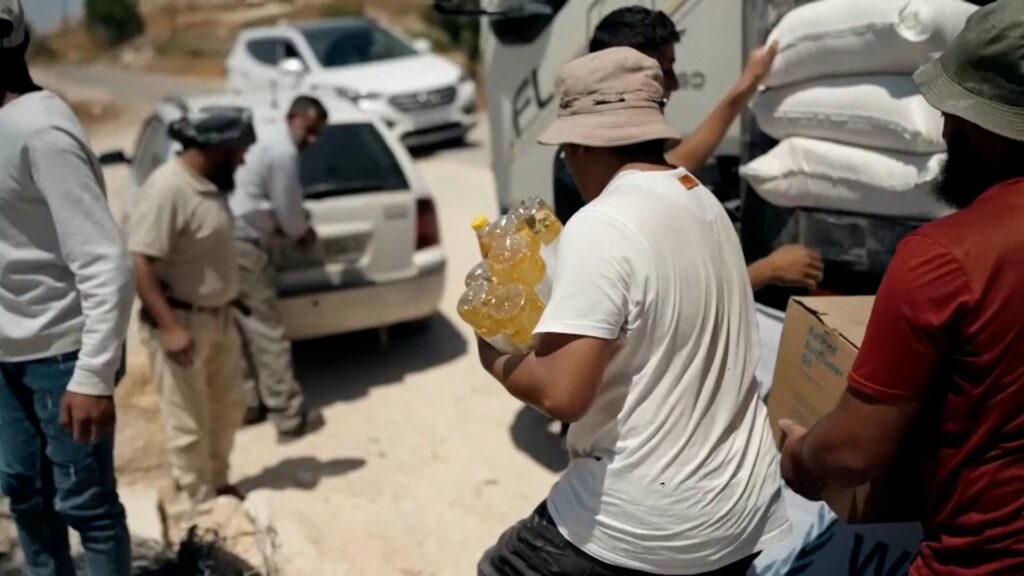
The United Nations World Food Programme (WFP) has announced significant cuts to its food assistance in the West Bank due to a severe funding shortfall. This reduction comes at a critical time as many vulnerable Palestinian families depend heavily on the WFP’s support for their basic nutritional needs.
The funding crisis stems from a decrease in donor contributions worldwide, exacerbated by competing global emergencies that have strained humanitarian budgets. These cuts are expected to affect thousands of families already facing economic hardship and food insecurity.
The West Bank, a region with ongoing political tension and economic challenges, relies on international aid programs like the WFP to alleviate poverty and hunger among its population. The current cuts mean fewer food parcels and reduced financial support for vulnerable groups, including children, pregnant women, and the elderly.
UN officials have expressed deep concern over the potential humanitarian impact, warning that the reduction in aid could lead to increased malnutrition and deterioration in health conditions. They have called on the international community to urgently step up funding commitments to prevent further deterioration of living conditions for those dependent on aid.
Local authorities and aid agencies are assessing how to mitigate the effects of the cuts, exploring alternative resources and strategies to support the affected populations. However, the scope of the funding gap poses a substantial challenge to maintaining current levels of assistance.
The WFP emphasizes that its mission to provide life-saving food support remains critical amid ongoing political and economic instability in the region. The agency is appealing to global donors for immediate funding to restore and expand aid services to meet the growing needs in the West Bank.
In summary, the UN food agency’s decision to cut aid in the West Bank highlights the broader impact of global funding shortages on vulnerable regions. It underscores the urgent necessity for sustained and increased international support to address hunger and prevent further humanitarian crises in politically sensitive and economically fragile areas.