In a significant escalation of military operations, the United States military has announced that it has begun striking targets within Iran. This development was confirmed by the United States Central Command (CENTCOM), the entity responsible for overseeing American military operations in the Middle East.
The decision to launch these strikes marks a critical moment in the ongoing tensions between the US and Iran, which have been characterized by intermittent conflicts, diplomatic standoffs, and proxy engagements across the region.
CENTCOM’s statement indicated that the strikes are targeted and precise, aimed at specific military installations and infrastructure within Iran. While details on the exact nature and location of these targets have not been fully disclosed, the move underscores a direct military engagement by the US forces on Iranian soil.
The motivations behind the strikes are believed to be linked to recent escalations and perceived threats from Iran or Iranian-backed groups against US interests and allies in the region. Officials suggest that these actions are part of a broader strategy to deter further aggression and disrupt capabilities that could endanger American personnel and partners.
This military action is likely to increase tensions significantly between the two countries and could potentially trigger a broader conflict. Analysts warn that such strikes carry the risk of retaliation, which might lead to a cycle of escalation.
The international community has been closely monitoring the situation. Many governments have called for restraint and a return to diplomatic dialogue to avoid further destabilization in an already volatile region.
The US military’s engagement in Iran follows a pattern of recent years where conflicts have expanded beyond proxy battles to direct confrontations. The implications of this development are far-reaching, affecting geopolitical dynamics, security in the Middle East, and international relations.
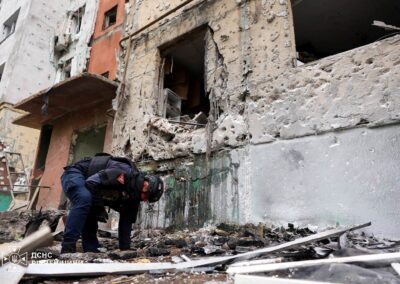
Information has begun to surface regarding the specific nature of targets, including weapons depots and command centers that are believed to play roles in supporting hostile operations against Western interests.
While the Pentagon remains tight-lipped about the full scope of the strikes, the message from CENTCOM was clear: the United States intends to take decisive action to protect its national security and those of its allies.
In response to the military escalation, there have been immediate reactions from various global powers, each weighing in on the potential consequences and humanitarian concerns that may arise from continued conflict.
As the situation develops, there is widespread concern about the impact on regional stability, economic consequences such as fluctuations in oil prices, and the safety of civilians caught in the crossfire.
The strikes mark a pivotal point in US-Iran relations, signaling a possible shift from indirect confrontations to direct military engagement. Observers are now keenly watching for any Iranian response, which could take many forms, from retaliatory strikes to diplomatic maneuvers.
This latest chapter in the fraught relationship between the US and Iran highlights the complexities of Middle Eastern geopolitics, where local conflicts have global ramifications. The coming days and weeks will be crucial in determining whether this action leads to an escalation or prompts renewed efforts for peace and negotiation.
For now, the world awaits further updates from CENTCOM and international agencies monitoring the unfolding situation.