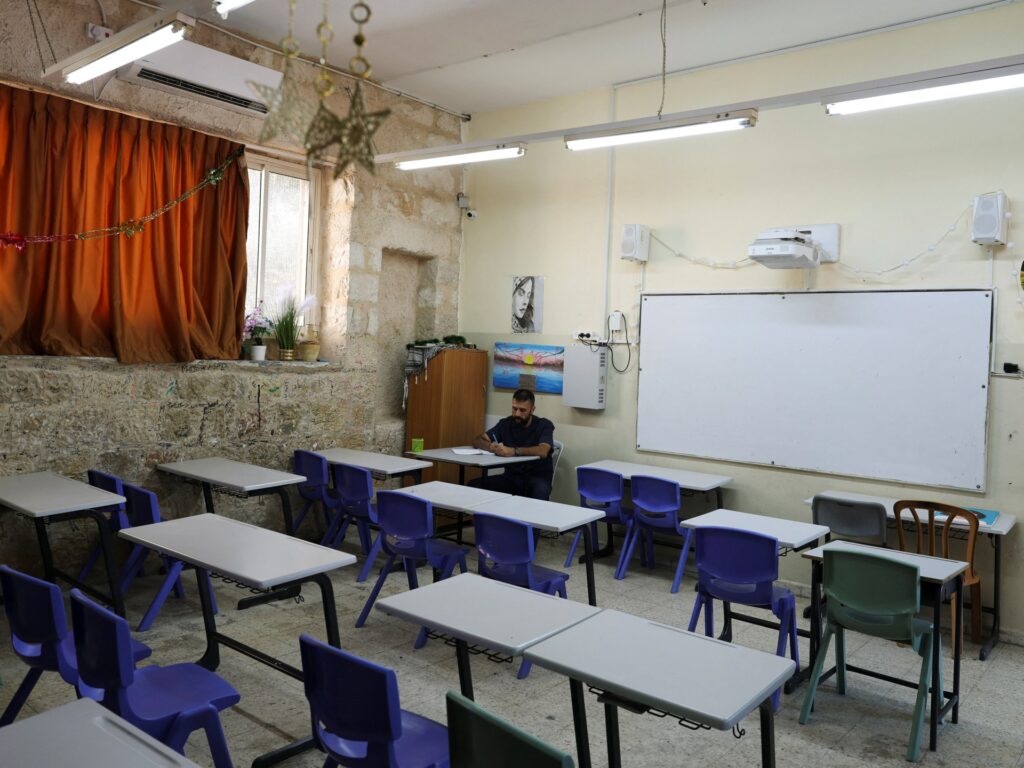
The academic atmosphere in East Jerusalem has been severely disrupted as schools enter a strike in response to recent measures imposed by Israeli authorities. These measures include strict enforcement of a government-mandated curriculum and the banning of certain teachers through permit restrictions, exacerbating tensions and complicating educational operations in the region.
The conflict began when Israeli officials mandated the implementation of a standardized curriculum across East Jerusalem schools, which traditionally follow a different educational framework aligned with Palestinian authorities. This enforcement disregards the educational autonomy of East Jerusalem institutions and is viewed by many as an imposition undermining the cultural and historical integrity of the Palestinian community.
Simultaneously, the Israeli government has introduced restrictive permit policies that prevent specific teachers from entering and working in East Jerusalem schools. These bans often target educators who are considered politically sensitive or who have ties to Palestinian organizations, creating staffing crises and further destabilizing school operations.
In protest, a significant number of East Jerusalem schools have initiated strikes, halting classes and delaying the academic calendar. Parents, students, and educators have voiced their frustration and opposition to these measures, emphasizing that such actions not only disrupt education but also impede the community’s right to self-determination and cultural expression.
The strike has drawn international attention and concern from various human rights organizations and educational advocates. Critics argue that imposing a forced curriculum and banning teachers based on political considerations violates international laws regarding educational rights and freedoms.
The educational disruption poses long-term consequences for the students, many of whom face uncertainties about their academic futures and access to quality education. The strike underscores the broader socio-political struggles in East Jerusalem, where education often becomes a battleground for larger national and cultural conflicts.
Efforts to negotiate a resolution have been challenging, with Israeli authorities insisting on curriculum compliance and permit controls, while Palestinian educators and community leaders demand respect for their educational sovereignty and the right to retain their teachers.
As the strike continues, the community grapples with the impacts on students’ learning and the prospect of prolonged unrest within the education sector. The situation remains a poignant example of how political tensions directly affect everyday life and the fundamental right to education in contested regions.