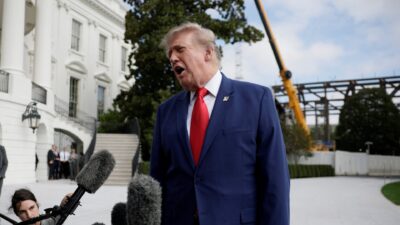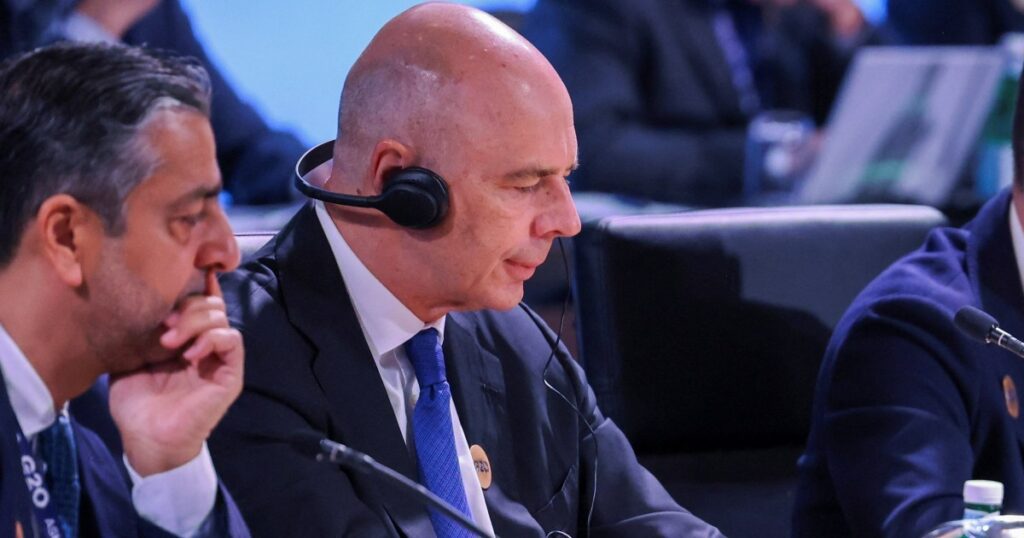
In recent developments on the international stage, signs have emerged suggesting a potential warming of relations between the United States and Russia, reminiscent of earlier periods during Donald Trump’s presidency when dialogue with Moscow was notably active. Key indicators include the visit of the CIA chief to Moscow and the Russian finance minister’s attendance at a G20 meeting hosted in the United States. These events highlight an intriguing possibility of revived communication channels and diplomatic engagement between the two powers.
During Trump’s tenure, US-Russia relations experienced unusual fluctuations, marked by moments of cooperation as well as significant discord. The recent visit by the CIA chief to Moscow, a rare and diplomatically significant occurrence, signals a move towards dialogue at intelligence and diplomatic levels. Such visits have historically been pivotal in managing mutual concerns, including security threats and geopolitical stability.
Concurrently, Russia’s decision to send its finance minister to a G20 meeting held in the US further underscores a thaw in otherwise strained interactions. The G20 forum, known for fostering economic policy coordination among major global economies, serves as an ideal platform for dialogue beyond formal diplomatic channels. Russia’s participation indicates a willingness to engage with the broader international community, including the United States under the current administration.
The motivations behind these gestures are multifaceted. For the US, re-engagement with Russia could be driven by the necessity to address global challenges such as cybersecurity, nuclear arms control, and regional conflicts where Russian influence is significant. Renewed dialogue may also be motivated by economic considerations, including sanctions discussions and energy markets.
For Russia, engaging with the US via such high-profile diplomatic and intelligence avenues offers an opportunity to mitigate the impact of long-standing sanctions and assert its role as a key player in international affairs. The current geopolitical climate, with tensions elevated in various theaters including Ukraine and the Middle East, makes communication channels critical to preventing escalation.
Analysts suggest that these developments do not necessarily signal an immediate or comprehensive thaw in US-Russia relations but do reflect pragmatic steps towards managing complex bilateral issues. This nuanced approach aligns with historical precedents where cold diplomatic periods were interspersed with targeted engagement intended to stabilize relations.
Moreover, the renewed dialogue may be influenced by a changing global order, where strategic partnerships shift and the need for dialogue becomes paramount. The US and Russia, despite ample disagreements, share vested interests in global stability, counterterrorism, and non-proliferation efforts.
Critics express caution, highlighting that such engagements might be tactical rather than transformative, and underlying tensions remain unresolved. The shadow of election interference allegations and divergent positions on key geopolitical conflicts temper expectations for a substantial shift in relations.
Nevertheless, the CIA chief’s visit and the Russian finance minister’s attendance at the G20 provide a foundation for cautious optimism. They represent tangible evidence that even in times of pronounced rivalry, diplomacy and dialogue retain their place in international relations.
In conclusion, the recent indicators of renewed US-Russia dialogue hint at a strategic recalibration rather than a fundamental realignment. Both nations appear to recognize the benefits of maintaining at least some channels of communication to manage their complex and often adversarial relationship in a turbulent global environment. Whether this translates into broader cooperation remains to be seen, but the current movements point to a pragmatic acknowledgment of the need to engage with one another despite profound challenges.