In a significant legal development, the Permanent Court of Arbitration (PCA) at The Hague has ruled in favor of Pakistan in a long-standing dispute over the Indus Waters Treaty, reaffirming that the treaty remains binding on both Pakistan and India. This decision marks a crucial victory for Pakistan, which has sought to uphold the integrity and terms of the water-sharing agreement signed between the two nations in 1960.
The Indus Waters Treaty allocates the use of waters from the Indus River and its tributaries between India and Pakistan. For decades, the treaty has been a cornerstone of cooperation despite other bilateral tensions. However, conflicts have arisen over water usage and dam construction by India on rivers that flow into Pakistan.
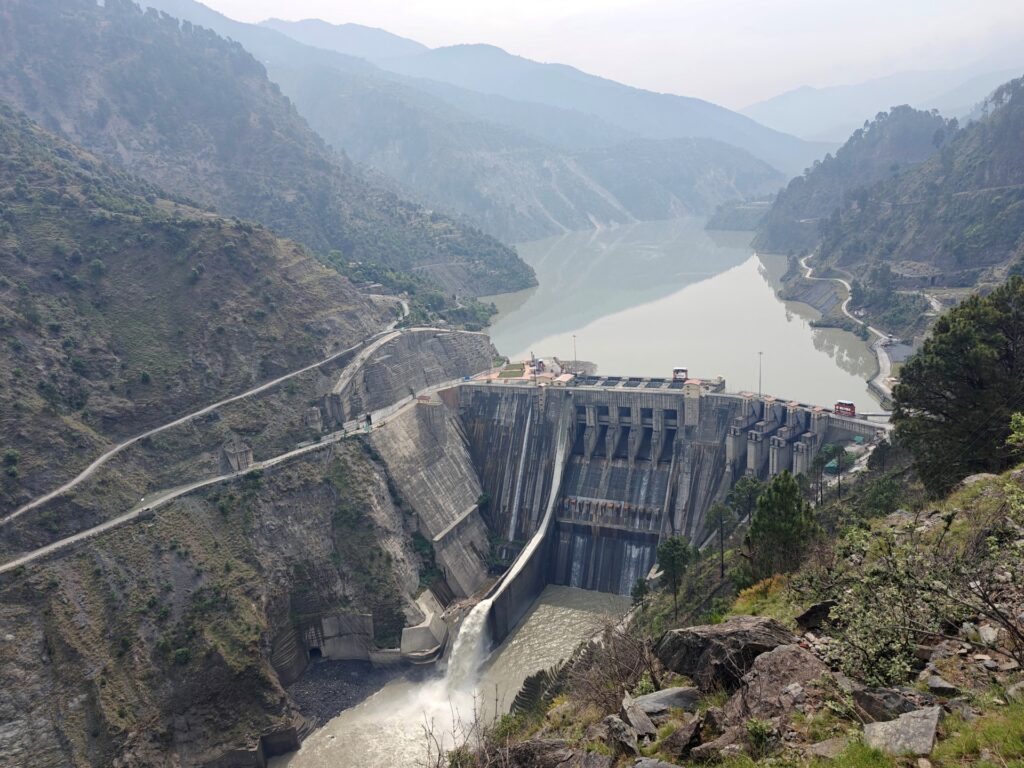
The PCA ruling came in response to a complaint lodged by Pakistan, asserting that India’s recent hydroelectric projects and water management initiatives violate the terms of the treaty, potentially harming Pakistan’s water flow and agricultural economy. The arbitration court affirmed that these projects contravene the treaty’s provisions, thereby upholding Pakistan’s claims.
Despite the ruling, India has outrightly rejected the PCA findings, labeling the court’s decision as non-binding and maintaining its right to manage its river waters as per its national interests. India’s stance reflects broader geopolitical tensions and underscores the challenges of implementing international arbitration decisions.
The outcome places renewed emphasis on the fragile nature of water politics in South Asia, where water resources are both a lifeline and a point of contention. Pakistan’s victory at The Hague provides legal validation for its position but leaves unresolved the practical enforcement of the ruling, given India’s non-acceptance.
Experts suggest that while the PCA ruling strengthens Pakistan’s legal stance, it also calls for enhanced diplomatic engagement and dialogue between the two countries to ensure sustainable and equitable water sharing. The ongoing dispute highlights the critical role of international law in resolving transboundary resource conflicts, yet also illustrates its limitations amid geopolitical discord.
For Pakistan, the decision is a morale booster and a reaffirmation of its rights under an internationally recognized treaty. It stresses the importance of adherence to established agreements to prevent escalation over shared natural resources.
For India, the ruling is a challenge to its sovereignty over water management policies but also an opportunity to revisit the treaty terms through dialogue rather than unilateral actions.
As the two nations navigate this complex dispute, the international community watches closely, recognizing that stability in the Indus basin is vital for regional security and cooperation.
Moving forward, both countries face the critical task of balancing national interests with the broader imperatives of regional harmony and sustainable development. Continued tensions over the Indus waters could exacerbate bilateral relations, while cooperative solutions could serve as a model for other transboundary water disputes globally.
In conclusion, the PCA’s decision reaffirms the binding nature of the Indus Waters Treaty and affirms Pakistan’s position in the water dispute. However, India’s rejection of the ruling indicates that while legal victories matter, diplomatic and political will are essential to resolving such complex transnational issues. The Indus waters conflict remains a key test of international law and regional diplomacy in South Asia.