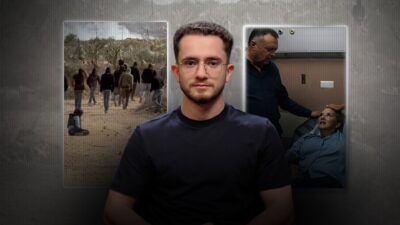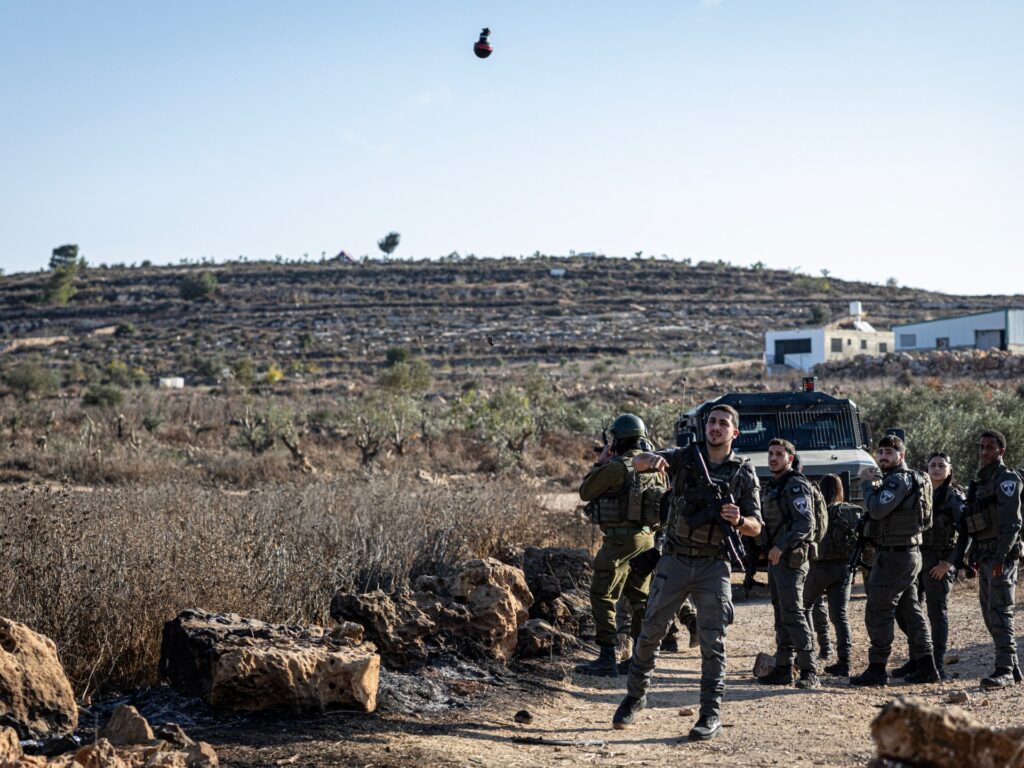
Tensions have escalated in the West Bank as Israeli settlers launched attacks on European diplomats amidst the ongoing olive harvest season. The incidents have drawn widespread condemnation and spotlighted the volatile situation in the region. Reports confirm that four Palestinian women and a child were injured in a series of separate assaults attributed to Israeli settlers. These attacks occurred in the midst of traditional olive-picking activities, which are often marked by increased violence. The injured Palestinians suffered harm as part of what witnesses describe as coordinated pogroms against Palestinian communities. The involvement of European diplomats is particularly alarming, suggesting a broader impact of settler violence beyond local residents. Observers note that the presence of international officials underlines the gravity of the security and humanitarian concerns during the harvest period. The West Bank, long a focal point of the Israeli-Palestinian conflict, continues to experience flare-ups especially in contested areas where settlements have expanded. Olive harvesting, a critical economic activity for many Palestinian families, has historically been targeted amidst rising tensions, exacerbating the hardships faced by the Palestinian community. The incidents have prompted calls from the international community for immediate protection measures and de-escalation efforts to safeguard civilians and diplomats alike. Human rights organizations have condemned the attacks, urging the Israeli government to intervene and prevent future violence by settlers. The ongoing hostilities underscore the fragility of peace and security in the region, highlighting the urgent need for renewed dialogue and conflict resolution initiatives. With the olive harvest season extending over several weeks, the risk of further clashes remains high, threatening the livelihoods of Palestinian farmers and the safety of all individuals present in the area. The European diplomats attacked were on site as part of monitoring efforts to document the situation and provide international oversight. Their assault represents a concerning escalation in settler aggression and has raised fears over the safety of international personnel in conflict zones. Palestinian leaders have called for greater international attention and intervention following the attacks, stressing the importance of protecting civilians and ensuring justice. Israeli authorities have faced criticism for failing to restrain settler violence and for inadequate protection of Palestinian communities. These events add to the complex dynamics of settlement expansion, resistance campaigns, and security responses shaping the West Bank’s political landscape. The olive harvest period has repeatedly been a flashpoint for violence, demonstrating how deeply intertwined cultural practices and territorial disputes have become. As the conflict persists, efforts to secure peaceful coexistence grow increasingly difficult, making the protection of vulnerable populations a priority for diplomats and human rights advocates. The current attacks highlight the broader issues of occupation, settlement activity, and the struggle for control over land and resources. Amidst international calls for restraint, there remains an urgent need for concrete actions to safeguard both Palestinians and foreign personnel engaged in monitoring and humanitarian work. The escalation during the olive harvest season serves as a stark reminder of the entrenched tensions and ongoing human rights challenges in the West Bank, with significant implications for regional stability and peace prospects.