As the war between Iran and the United States enters its sixth month, the conflict shows signs of settling into a protracted attritional struggle rather than culminating in an immediate regime collapse or decisive victory. This prolonged conflict is having far-reaching implications, particularly for Arab states in the Gulf region, which find themselves grappling with complex strategic and economic challenges.
The ongoing war has fundamentally altered the security landscape of the Middle East, where Arab states closely monitor the shifting balance of power. The absence of a clear resolution has introduced a climate of uncertainty and risk, affecting political calculations and alliances. The Gulf economies, deeply intertwined with global energy markets, face heightened volatility and threat of disruption, making economic planning and regional cooperation more difficult.
Iran’s resilience so far defies earlier predictions that its regime might swiftly collapse under US military pressure. Instead, the war has settled into a grinding conflict marked by intermittent clashes, proxy engagements, and diplomatic stand-offs. This development forces Gulf countries to reconsider their strategic positions, alliances, and defense postures amid fears of spillover effects.
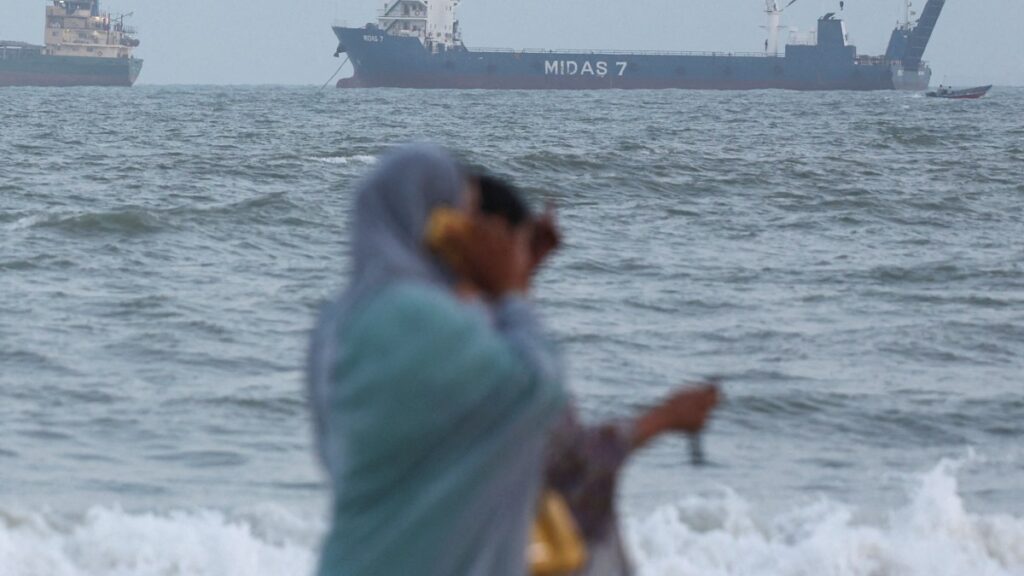
Energy markets have been particularly sensitive to the conflict’s trajectory. The Strait of Hormuz, a critical chokepoint for global oil shipments, remains a flashpoint with the potential to disrupt supply chains. Arab states reliant on energy exports for economic stability are thus navigating a precarious path between maintaining production and ensuring security.
The regional dynamics have also complicated Arab states’ diplomatic approaches. Some countries have faced the dilemma of balancing relations between the US, a key security partner, and Iran, a powerful neighbor with influence over various regional militias and political groups. This balancing act challenges Arab states to pursue cautious diplomacy while safeguarding their national interests.
Furthermore, the war has intensified questions about the future of regional security architectures. Traditional security agreements and alliances are under stress, prompting Arab states to explore alternative partnerships and initiatives to bolster their defense capabilities.
On the economic front, uncertainties are prompting Gulf states to accelerate diversification efforts, seeking to reduce vulnerability to geopolitical shocks. Investments in non-oil sectors and initiatives to attract foreign capital are gaining urgency in this context.
The human toll and humanitarian impact of the conflict remain deeply concerning, with population displacements and economic hardships affecting civilian populations across the region. Arab states are also navigating the challenges of providing aid and maintaining stability within their borders.
As the war grinds on without an apparent end in sight, Arab states face the difficult task of charting a path forward amid persistent insecurity and unpredictability. The choices they make in the coming months will have lasting repercussions for regional stability, economic resilience, and geopolitical alignments.
In summary, six months of war between Iran and the US have left Arab states confronted with tough questions about their security, economic futures, and diplomatic strategies. The conflict’s evolution into a drawn-out attritional struggle has deepened uncertainties, prompting careful reassessment and strategic recalibration across the Gulf.
With global attention on this critical region, the decisions and adjustments Arab states undertake will play a pivotal role in shaping the course of Middle East geopolitics in the years to come.