The Tigray conflict in Ethiopia has garnered significant international attention, highlighting the complex roles of regional powers like the United Arab Emirates (UAE) and Saudi Arabia. As the conflict persists, both countries find their stances and actions under scrutiny due to their divergent approaches and strategic interests.
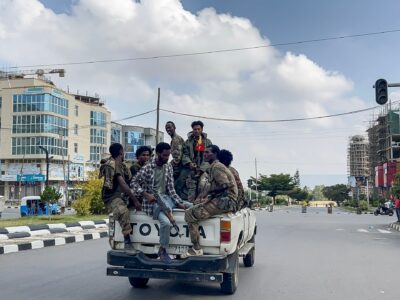
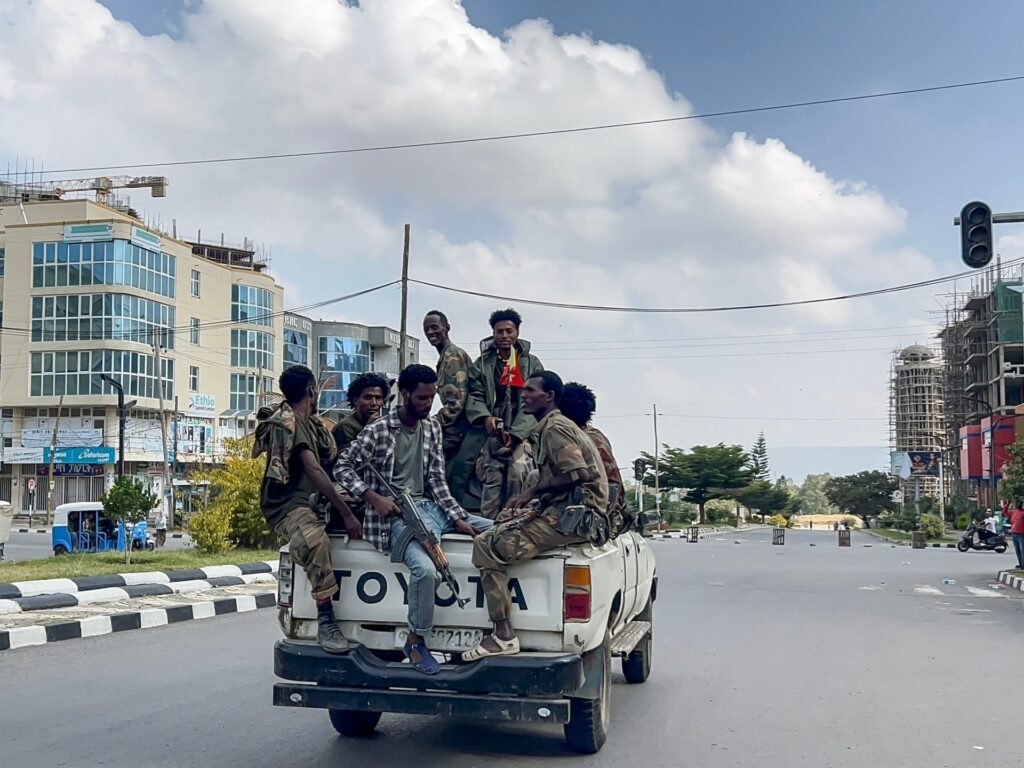
The Tigray war, which erupted in November 2020, pits the Ethiopian federal government against the Tigray People’s Liberation Front (TPLF). This conflict has led to widespread humanitarian crises, including displacement, famine risks, and grave human rights concerns. The prolonged violence has destabilized the Horn of Africa, a region critical for global trade and energy routes.
The UAE’s position in the conflict appears to lean towards supporting the Ethiopian federal government. This aligns with the UAE’s broader geopolitical strategy in the region, where it seeks to curtail the influence of groups it perceives as threatening stability and its interests. The UAE’s backing includes diplomatic support and, reportedly, indirect military assistance, given its historical ties and economic investments in Ethiopia.
In contrast, Saudi Arabia has taken up a more diplomatic role, advocating for dialogue and peaceful resolution. Riyadh’s approach is shaped by its interest in regional stability, especially considering its own security concerns and the economic ties with Ethiopia. Saudi Arabia has called for ceasefires and humanitarian aid, urging all parties to engage in negotiations to end the bloodshed.
The differing stances of the UAE and Saudi Arabia also reflect internal regional competition and their unique foreign policy priorities. The UAE’s alignment with Ethiopia’s government aims to secure a foothold in the Horn of Africa, bolstering its influence amidst rivalries with Iran and Turkey. Saudi Arabia, while maintaining friendly ties with Ethiopia, balances its position carefully, mindful of its broader strategic agenda in the Middle East and beyond.
The international community watches closely as these regional powers’ involvement could either exacerbate or help resolve the conflict. The Tigray war serves as a testing ground for the UAE and Saudi Arabia’s ability to project power and influence through different means—military backing versus diplomatic engagement.
Humanitarian organizations emphasize the urgent need for access and aid delivery, a plea that challenges the political maneuvering of external actors. Both the UAE and Saudi Arabia face pressure to prioritize human welfare and support inclusive peace initiatives.
In sum, the Tigray conflict is more than an Ethiopian civil war; it is a stage where the UAE and Saudi Arabia showcase their regional ambitions and the complexities of their relationships. The evolving dynamics in the region will significantly depend on how these powers balance their interests with the urgent need to bring peace and stability to Ethiopia and the broader Horn of Africa.