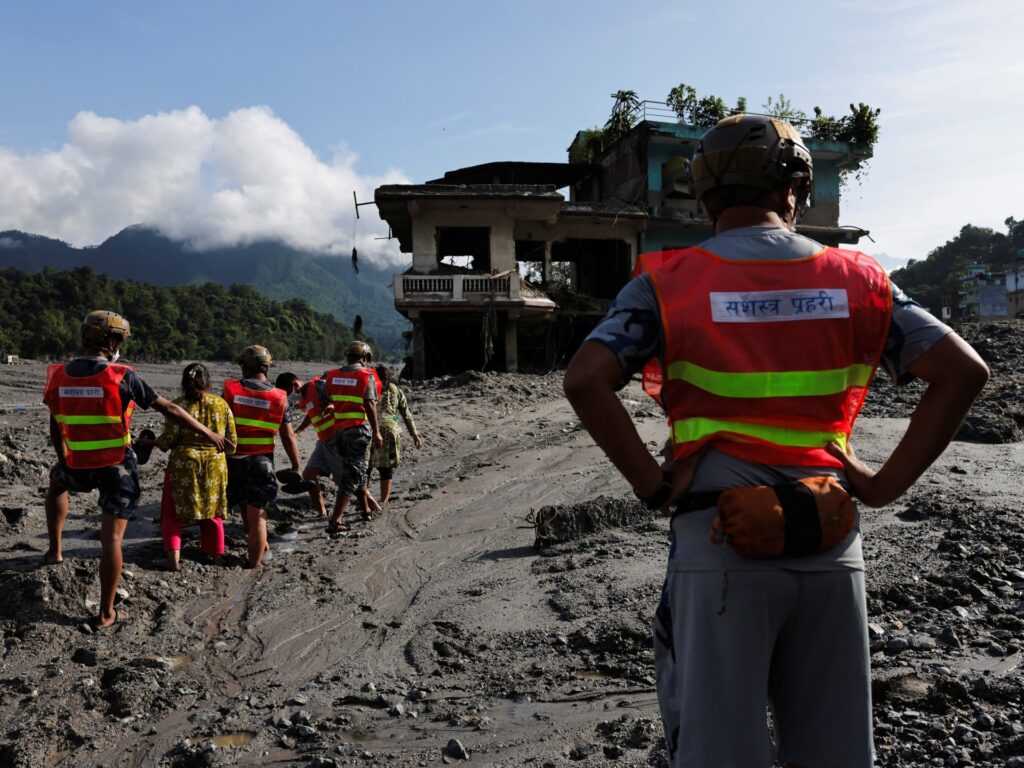
The devastating floods triggered in the border region between Nepal and Tibet have resulted in a death toll exceeding 470, with over 1,500 people still reported missing. The situation remains critical as a newly formed barrier lake above the affected area threatens to unleash further flooding.
This disaster unfolded following heavy rainfall and landslides that swept through the mountainous regions along the Nepal-China border. The destructive floods caused widespread damage to homes, infrastructure, and agricultural lands, severely impacting the lives of thousands of residents.
Rescue and relief operations initially progressed rapidly, with teams deployed from both Nepal and China to aid survivors and recover the deceased. However, the efforts have now been paused amid growing concerns about the stability of a natural barrier lake formed by landslide debris blocking a river upstream.
Authorities fear that the watershed may breach, potentially unleashing another surge of water downstream, exacerbating the already catastrophic conditions. This has forced the evacuation of nearby communities and the suspension of all rescue activities in vulnerable zones.
Officials express significant concern about the humanitarian impact, emphasizing the urgent need for international support and advanced engineering assistance to safely manage the barrier lake and prevent further loss of life.
Local governments are coordinating to monitor the situation closely, deploying experts to assess the lake’s stability and devise mitigation strategies. Meanwhile, humanitarian organizations are working tirelessly to provide food, shelter, medical aid, and psychological support to the survivors and displaced individuals.
The floods have also disrupted communication lines and access routes, hindering relief efforts and complicating the identification and rescue of missing persons. Weather forecasts indicate continuing rainfall in the region, raising alarms about the heightened risk of additional landslides and flooding.
Communities affected by the disaster are facing extreme challenges, including shortages of clean water, food, and medical supplies. Health officials warn that outbreaks of waterborne diseases could become a severe problem without immediate intervention.
In response to the crisis, the governments of Nepal and China have declared emergency statuses and are mobilizing resources to assist the affected populations. International agencies and neighboring countries have offered aid, including financial assistance, equipment, and expert teams.
This calamity highlights the vulnerability of mountainous border regions to natural disasters, underscoring the importance of cross-border cooperation in disaster management and early warning systems.
Experts advocate for improved infrastructure resilience, comprehensive disaster preparedness plans, and real-time monitoring technologies to mitigate the impact of such future events.
As efforts continue to save lives and stabilize the situation, the sobering reality remains that the devastating floods have profoundly impacted thousands of families, leaving a lasting mark on the region’s social and economic fabric.
The international community watches closely, hoping for a swift resolution to the current crisis while preparing to address the long-term recovery and rebuilding efforts that will follow this tragic event.