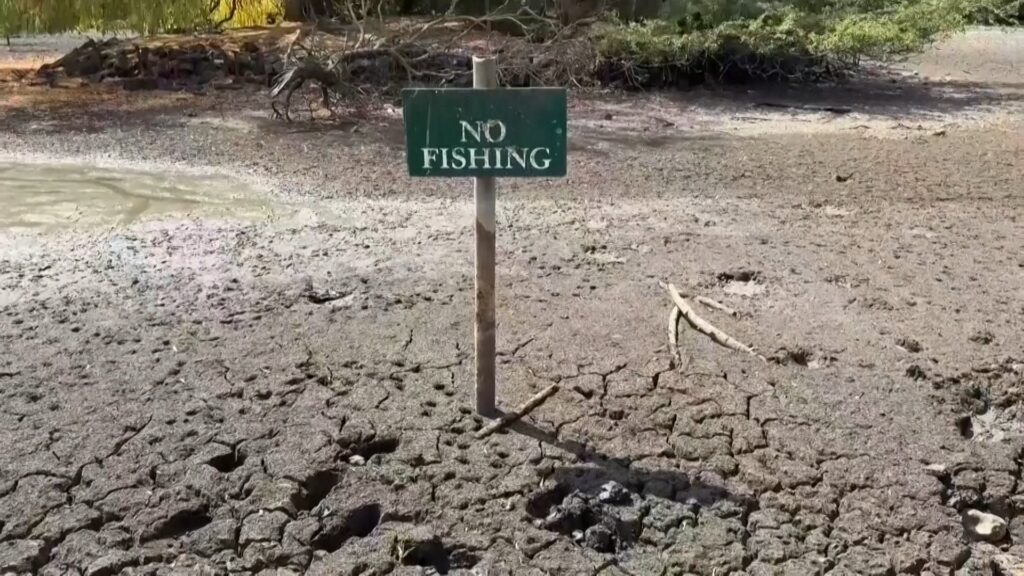
Europe is facing an unprecedented drought that is severely impacting rivers, farmland, and overall water availability across the continent. This extreme weather event, driven by prolonged heat waves and minimal rainfall, has led to critically low water levels in major rivers, threatening ecosystems, agriculture, and water supplies for millions of people.
Countries across southern and western Europe are experiencing the harshest effects, with rivers such as the Rhine, Danube, and Po reaching record-low flow levels. These decreased water levels are causing disruptions in shipping routes, energy production, and drinking water supplies.
Agricultural sectors are particularly hard hit, as the drought has withered crops, reduced yields, and jeopardized food security. Farmers are struggling with insufficient irrigation water and degraded soil conditions, leading to economic strain and concerns over future harvests.
Experts warn that the record drought is a symptom of broader climate change trends, with hotter, drier summers expected to become the new norm in Europe. This phenomenon exposes the vulnerability of the continent’s water management systems and underscores the urgent need for sustainable adaptation strategies.
In response, governments and environmental organizations are mobilizing efforts to manage water reserves, promote efficient irrigation, and support farmers affected by the crisis. There is also renewed emphasis on research and investment in drought-resistant crops and technologies to mitigate the impact of future droughts.
Communities along the drought-stricken rivers have initiated conservation measures to save water, and public awareness campaigns stress the importance of responsible water usage.
The drought’s consequences extend beyond immediate water shortages, impacting biodiversity as aquatic habitats shrink and wildlife suffer from lack of resources. Long-term ecological damage remains a significant concern.
As Europe grapples with these extreme conditions, the record drought serves as a stark reminder of the tangible effects of climate change and the critical need for global and regional cooperation to address environmental challenges.
The scientific community continues to monitor the situation closely, providing data and forecasts to help governments and citizens prepare for ongoing and future climate-related disruptions. Immediate action combined with strategic planning is essential to enhance resilience and secure Europe’s environmental and economic well-being in the face of a warming climate.