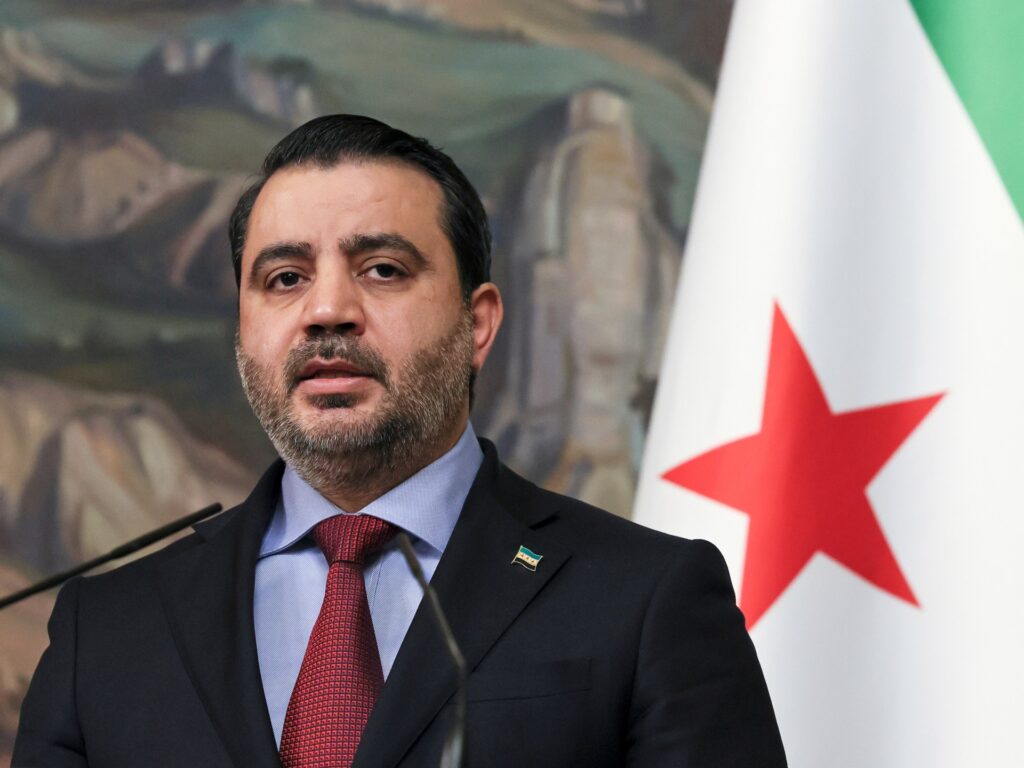
In a significant diplomatic development, Syria’s Foreign Minister Asaad al-Shaibani has publicly stated that the door is open for diplomatic engagement with Israel. This statement marks a notable shift in Syria’s stance, signaling a possible thaw in relations after decades of hostility.
During a recent press briefing, al-Shaibani urged Israel to seize what he described as a “historic opportunity” to engage in constructive dialogue aimed at resolving longstanding conflicts between the two nations. He emphasized the importance of diplomacy as a path to peace and stability in the region, highlighting that the current geopolitical climate presents a unique moment to address unresolved issues.
“We believe that there is a window of opportunity for peace if Israel chooses to engage in dialogue sincerely,” al-Shaibani remarked. He called upon Israeli leaders to consider the benefits of diplomatic talks that could lead to confidence-building measures and eventually a peaceful coexistence.
The minister’s remarks come amid broader regional shifts, including changing alliances and increased international calls for dialogue to resolve Middle Eastern conflicts. Syria, embroiled in a prolonged civil war and facing economic challenges, appears to be signaling a readiness to explore peaceful resolutions with neighboring Israel.
Analysts note that while overtures from Damascus are noteworthy, significant hurdles remain. Decades of hostility, unresolved territorial disputes, and mutual distrust pose challenges to any swift normalization of relations. Nonetheless, the call for diplomacy is seen by many as a positive step toward reducing tensions.
Historically, Syria and Israel have been adversaries since the establishment of Israel in 1948, with multiple wars fought and persistent conflicts over territories such as the Golan Heights. Efforts to initiate peace talks in the past have largely stalled, making al-Shaibani’s comments particularly significant.
The international community has largely welcomed the news, urging both parties to capitalize on this diplomatic opening. Experts suggest that successful dialogue could pave the way for broader regional peace agreements, benefiting the Middle East’s overall stability.
Meanwhile, Israeli officials have yet to issue a formal response to al-Shaibani’s statements. Observers await reactions from various political factions within Israel, as opinions on engaging with Syria remain divided.
In summary, Syria’s Foreign Minister Asaad al-Shaibani’s remarks open a potentially transformative chapter in Middle Eastern diplomacy. By inviting Israel to engage in dialogue, Syria signals a will to explore peaceful solutions amidst a complex geopolitical landscape. The coming months will be crucial in determining whether this “historic opportunity” can translate into meaningful diplomatic progress.