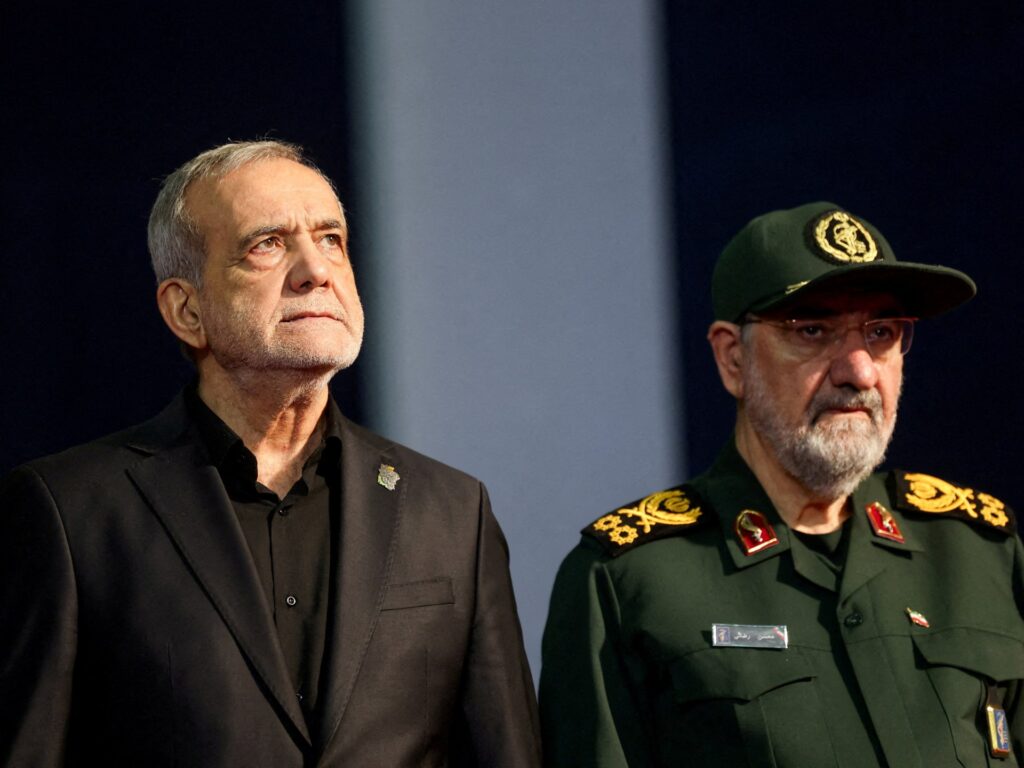
Iran’s security chief has issued a stern warning regarding countries that join what Tehran terms the US ‘economic war.’ This statement comes amid heightened tensions as the United States continues to impose economic sanctions aimed at curbing Iran’s nuclear program and regional influence. Iran’s leadership views these sanctions as a direct attack on its sovereignty and economy, and in response, has pledged to retaliate against any nation that aligns with US efforts.
The warning underscores Iran’s intent to protect its national interests through countermeasures that could impact diplomatic and economic relationships. While specific forms of retaliation were not detailed, Iran has historically leveraged various means such as restricting trade, increasing geopolitical pressure, and supporting proxy groups in the region as part of its strategy.
This development heightens the risk of further instability in an already volatile region characterized by proxy conflicts and geopolitical rivalries. Countries considering joining the US sanctions effort must weigh the potential consequences of Iran’s retaliation against the economic and political benefits of complying with US policies.
In recent years, the US has intensified its ‘maximum pressure’ campaign, pushing its allies to sever economic ties with Iran. This campaign aims to pressure Iran into renegotiating the terms of its nuclear program and curbing its support for groups designated as terrorists by the West.
Iran’s announcement serves as a reminder of the escalating geopolitical chess game, where economic tools are wielded alongside diplomatic and military strategies. The warning from Iran’s security chief may signal a readiness to open new fronts in this ongoing conflict, potentially extending beyond economic channels to include cyber attacks or covert operations.
Global observers are closely monitoring the situation, recognizing that economic retaliation by Iran could affect global markets, particularly in energy sectors where Iran is a key player. Additionally, countries dependent on trade with Iran or the US may find themselves caught in the crossfire of these geopolitical tensions.
The international community is facing a complex challenge in balancing pressure on Iran with the risks of triggering wider confrontations. Diplomatic efforts continue in parallel, with some countries advocating for dialogue and engagement rather than escalation.
In summary, Iran’s recent threat to retaliate against countries participating in the US-led economic sanctions campaign reveals the deepening complexities and risks in the global struggle involving Iran’s strategic ambitions and the US-led opposition. This situation demands careful navigation by all parties involved to avoid unintended consequences and to seek a path toward de-escalation.