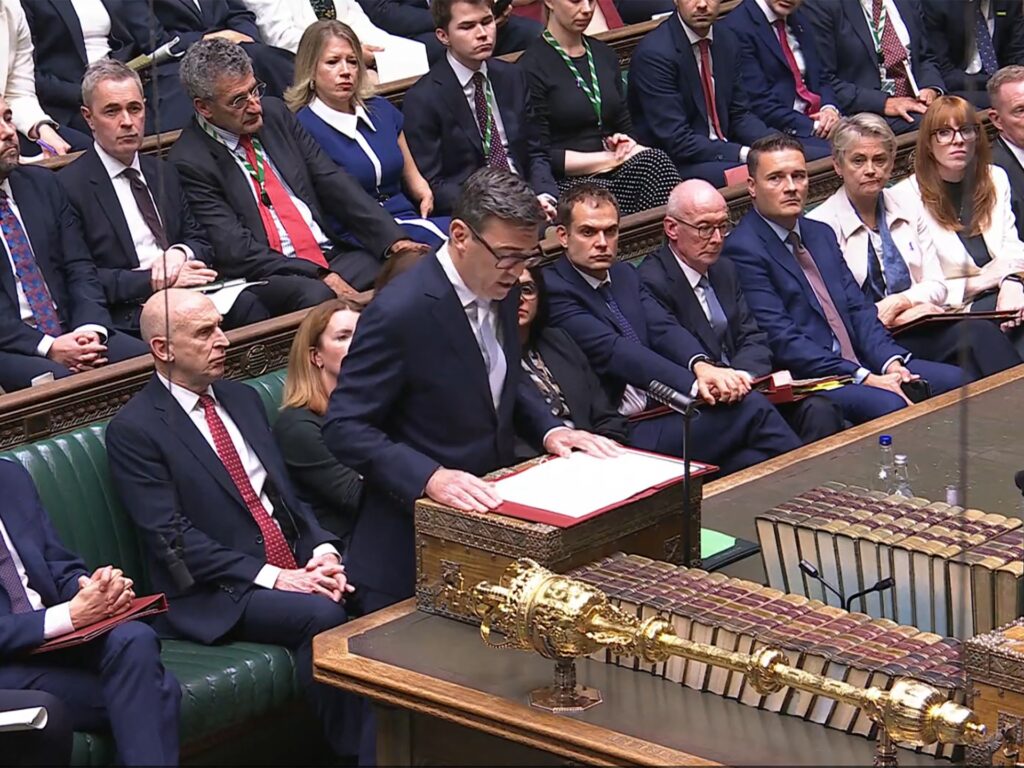
In a significant political development, UK Prime Minister Andy Burnham has officially announced his intention to renegotiate the post-Brexit trade deal with the European Union. This move marks a pivotal step in reshaping UK-EU relations following the country’s departure from the EU.
PM Burnham confirmed that high-level talks are scheduled to take place in Brussels next month, signaling a fresh start in diplomatic negotiations. He emphasized that the negotiations will prioritize the interests of the British public, asserting firmly that “the British public will be ‘the boss’ of the reset.”
This statement reflects Burnham’s commitment to ensuring that the outcomes of the upcoming talks will directly benefit the UK populace, sustaining sovereignty while aiming for mutually advantageous trade arrangements.
The current post-Brexit trade framework has been under scrutiny for its impact on various sectors within the UK economy. Businesses and politicians alike have voiced concerns about complexities and trade barriers affecting industries and supply chains.
Burnham’s pledge to renegotiate aims to address these issues by creating more streamlined and favorable trading conditions. The forthcoming discussions in Brussels are expected to focus on tariff reductions, customs facilitation, regulatory alignment, and enhancing cooperation standards.
Analysts suggest that a successful renegotiation could pave the way for increased economic growth, reduced friction in trade, and a stronger strategic partnership between the UK and the EU.
However, the process may face challenges, including balancing UK sovereignty with the EU’s regulatory frameworks and securing consensus among EU member states. Burnham’s approach, which underscores public participation and transparency, seeks to build trust and legitimacy for the new deal.
As the talks approach, stakeholders from various sectors are preparing to engage in dialogue and influence the negotiation agenda. The British government’s stance reinforces a clear message of recalibrating ties to better reflect post-Brexit realities and future aspirations.
This upcoming negotiation phase is not only a test of diplomatic skill but also a defining moment for the UK’s post-Brexit trajectory, potentially reshaping trade dynamics across Europe and beyond.