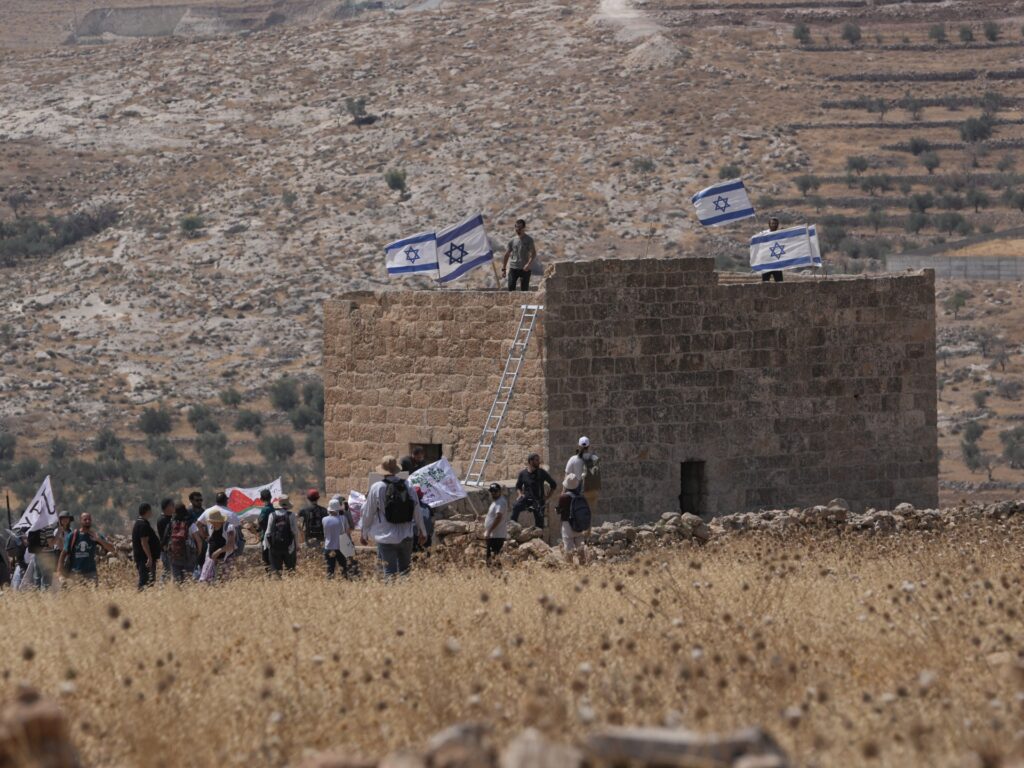
Human Rights Watch (HRW) has released a critical report highlighting the ongoing violence perpetrated by Israeli settlers in the West Bank, which they assert is state-backed and has led to significant displacement of Palestinian communities. The report lays bare a troubling pattern where dozens of Palestinian villages and towns face the threat of erasure due to escalating settler attacks, combined with inadequate protection from Israeli authorities.
This recent surge in violence has forced many Palestinian families to abandon their homes and land, amplifying the already dire humanitarian situation in the region. HRW points out that the Israeli military and political apparatus often turn a blind eye to settler aggression, contributing to a climate of impunity that emboldens further attacks.
The displacement not only disrupts the lives and livelihoods of Palestinians but also threatens the viability of the West Bank as a contiguous and peaceful territory. The organization’s findings depict a scenario where state support and complicity are instrumental in facilitating settler expansion, often at the expense of Palestinian residents’ basic rights and safety.
In response to these disturbing developments, HRW is calling on the international community to take robust actions. Among the recommendations are imposing sanctions on Israeli entities involved in the abuses and suspending military aid to Israel until there is a demonstrable end to settler violence and displacement practices.
The report emphasizes that continued international tolerance and inaction contribute to the erosion of Palestinian communities and undermine prospects for peace in the region. HRW warns that without immediate and decisive intervention, the risk of permanent displacement and the destruction of Palestinian homes and villages will intensify.
This situation underscores the urgent need for renewed diplomatic efforts focused on protecting Palestinian rights and addressing the broader conflict. Human Rights Watch’s call for sanctions and aid suspension highlights a growing demand for accountability and change in policy to halt the cycle of violence.
As the West Bank faces this crisis, the eyes of the world remain on the region, awaiting concrete measures that can safeguard vulnerable populations and promote a just and lasting resolution to the conflict. The HRW report serves as a stark reminder of the humanitarian consequences of political and military strategies that favor settler expansion over human rights and peaceful coexistence.
The international community’s response in the coming months will be critical in determining the future of the West Bank and the fate of its Palestinian inhabitants, as well as the broader prospects for peace in the Middle East.