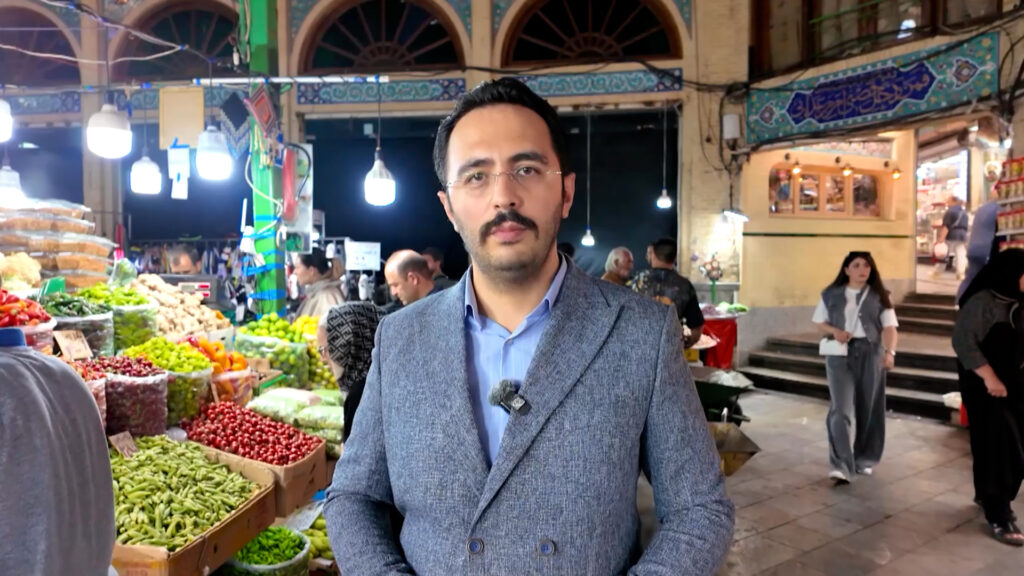
Over recent years, ongoing conflicts and political tensions have significantly impacted the economic landscape in Iran, leading to increased living costs for ordinary Iranians. The multi-faceted conflicts—ranging from international sanctions to regional instability—have created economic pressures that ripple through every aspect of daily life.
The imposition of stringent international sanctions has been a critical factor exacerbating economic hardship. These sanctions restrict Iran’s ability to export oil, a primary source of national revenue, and limit international banking and trade activities. Consequently, the government’s income is reduced, triggering inflation and a devaluation of the national currency, the rial.
As the rial weakens, import prices soar, pushing up the costs of consumer goods, including food, medicine, and essential commodities. Many Iranians face soaring prices in basic necessities, which erodes their purchasing power and affects household budgets. The inflation rate has frequently reached double digits, amplifying the cost-of-living crisis for families across the country.
Beyond sanctions, regional conflicts and geopolitical tensions contribute to economic uncertainty. Military expenditures increase, diverting funds from investments in social services and infrastructure. Moreover, heightened risks deter foreign investment, leaving domestic industries underserved and limiting job opportunities.
The transportation and logistics sectors also bear the brunt as fuel prices surge due to instability and disruption in oil supply lines. This development inflates distribution costs, which in turn further increase retail prices.
Additionally, the conflict-driven economic stress has resulted in reduced government subsidies previously aimed at cushioning vulnerable populations from price shocks. This reduction places further strain on low- and middle-income families.
Furthermore, the persistent conflict environment fuels market volatility and speculative behaviors that inflate prices artificially. Uncertainties about the future discourage long-term financial planning and investment among businesses and citizens alike.
Socially, the economic challenges linked with conflict have deepened inequalities. Rural communities often face harsher impacts as price hikes in food and fuel are felt most acutely away from urban centers. These disparities threaten social cohesion and stability.
In response, many Iranians have turned to alternative coping mechanisms, including informal markets and bartering systems, to manage everyday expenses. However, such solutions are insufficient to counterbalance the larger economic forces at play.
Looking forward, resolution of conflicts and easing of sanctions could stabilize the economy, restore currency value, and lower inflation rates. Until then, Iranians must navigate a landscape of escalating costs and economic uncertainty born from ongoing conflicts and their broader repercussions.