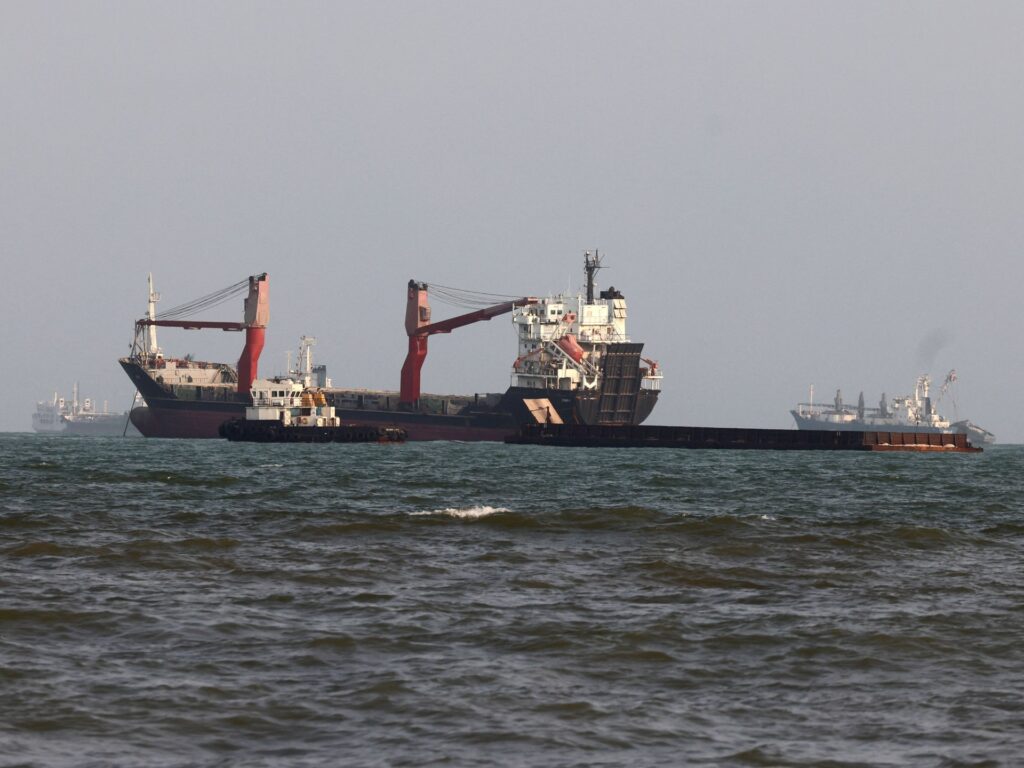
The Strait of Hormuz, one of the world’s most strategic maritime chokepoints, has long been a hotspot for geopolitical tension, especially between Iran and other global powers such as the United States. Recent data on ship movements through the strait provides intriguing insights into the behavior and defiance patterns of vessels navigating this critical waterway.
Most ships attempting to transit the Strait of Hormuz endeavor to mask their identities. Typically, they do this by turning off transponders or using other tactics to obscure their maritime identity. This behavior is largely driven by the desire to avoid becoming targets or getting entangled in conflicts amid the intense political scrutiny of the region.
However, a key observation from the data is that more ships appear to be apprehensive about Iranian authorities than about the United States. This suggests that vessels are more cautious in their dealings with Iranian naval and security forces, potentially due to Iran’s stringent enforcement and past incidents involving vessel seizures or harassment in the strait.
Iran has frequently issued warnings and taken assertive actions against ships it suspects of violating territorial claims or sanctions. The country’s naval presence is robust and assertive, and this enforcement posture can intimidate commercial vessels, encouraging them to conceal their identities to avoid confrontation or inspection.
In contrast, while the United States maintains a powerful military presence in the region and often conducts freedom of navigation operations, there appears to be less fear among ships regarding US enforcement actions. This could be attributed to the relatively predictable nature of US operations, frequent communications, and adherence to international maritime laws, which may provide some reassurance to vessel operators.
The data reinforces the notion that Iranian enforcement mechanisms are perceived as unpredictable and potentially more aggressive, prompting ships to take greater precautions. This behavior contrasts with a relatively firmer but less intimidating US stance, affecting the willingness of vessels to openly defy or comply with each power’s presence.
In summary, while all ships transiting the Strait of Hormuz engage in some form of identity masking to navigate the geopolitical risks, the evidence clearly indicates a pronounced concern about Iran’s potential actions. The data suggests that the maritime community is more likely to defy or test the limits of US presence than that of Iran, underscoring differing perceptions of risk and authority in this tense maritime corridor.