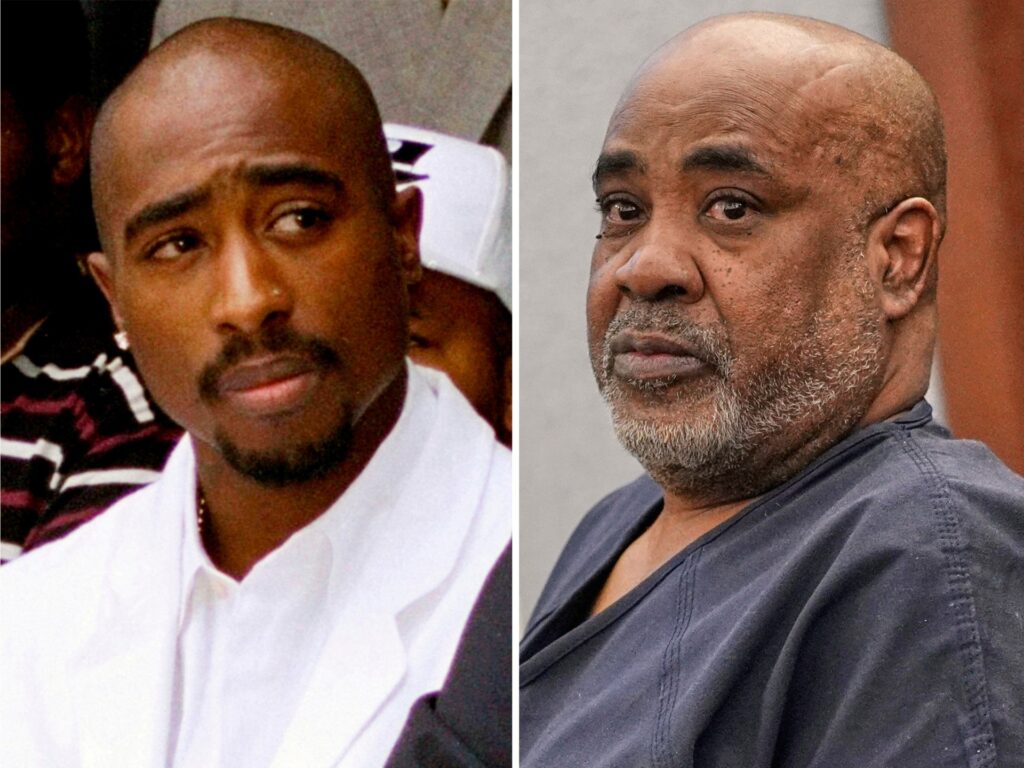
Three decades after the tragic death of iconic rapper Tupac Shakur, the first person to be prosecuted in connection with his murder is Duane ‘Keffe D’ Davis, a former California gang boss. This development marks a significant milestone in one of hip-hop’s most enduring mysteries.
Tupac Shakur was fatally shot in a drive-by shooting in Las Vegas on September 7, 1996. Despite multiple investigations and widespread speculation, no one had been formally charged with his murder until now. Davis’s prosecution brings renewed attention to the case.
Duane Davis was a known figure in gang circles and had been long suspected to be involved in the events surrounding Tupac’s killing. Over the years, theories about the involvement of rival gangs, music industry conflicts, and police conspiracy circulated, but concrete charges remained elusive.
The trial against Davis aims to uncover key evidence and testimonies linking him to the shooting. Prosecutors are focusing on his alleged role in orchestrating the shooting that ultimately led to Tupac’s death six days later in the hospital.
This case is significant not only because of Tupac’s cultural impact but also because it highlights issues around gang violence and justice in America. Fans, friends, and family have awaited this moment for decades, hoping for closure.
Many questions remain: Was Davis acting alone or under orders? Were others involved? How deep did the conspiracies behind the murder go? The upcoming court proceedings may provide critical insights.
The trial also rekindles discussions of Tupac’s legacy as a groundbreaking artist whose messages transcended music and addressed systemic issues faced by marginalized communities.
Legal experts note that the case will be complex due to the time elapsed, potential witness reliability, and past investigative shortcomings. Still, the prosecution’s decision to move forward signals confidence in the evidence.
As the trial progresses, the world watches closely, hoping to finally unravel the truth behind the killing of Tupac Shakur and bring justice to a case that has remained frozen in time for nearly 30 years.