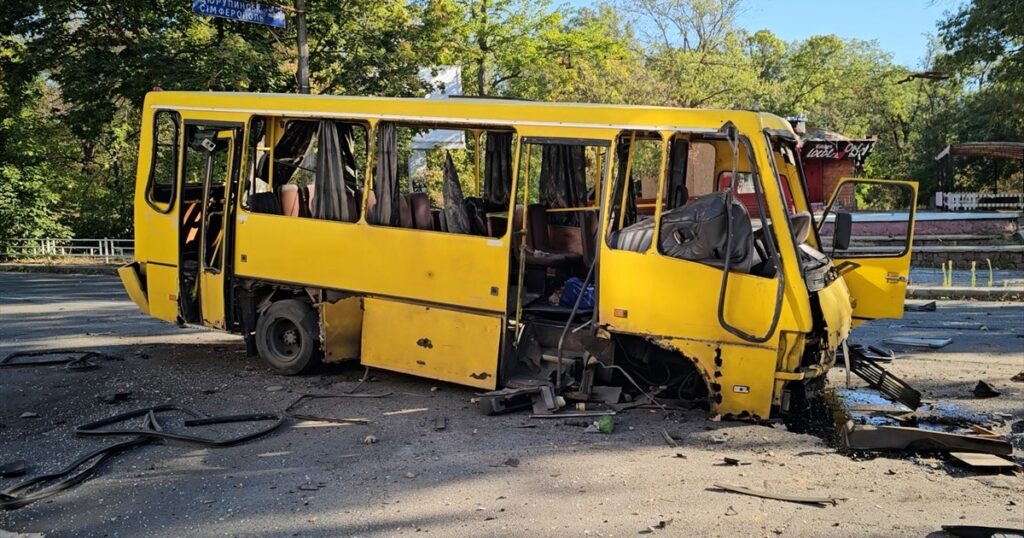
In the latest developments of the ongoing conflict in Eastern Europe, at least six individuals have been reported killed in a series of Russian air attacks carried out on Ukraine. These attacks mark a significant escalation in military actions, bringing renewed international attention and concern to the region.
According to Russia’s Defence Ministry, a substantial counter-offensive measure was reported overnight, involving the downing of 453 Ukrainian drones across various regions. This information highlights the intensity of aerial confrontations and the increased use of unmanned aerial vehicles (UAVs) in modern warfare.
The Russian Defense Ministry’s statement detailed that the numerous drone interceptions occurred in multiple territories, indicating a widespread and coordinated Ukrainian drone campaign. The downing of such a large number of drones suggests robust Russian air defense capabilities and a strategic attempt to curtail Ukraine’s surveillance and attack potential.
The human toll in the air raids has so far reached at least six fatalities, though the full extent of casualties and material damage is still under assessment. These attacks are part of ongoing hostilities between Russia and Ukraine, which have persisted with varying intensity since the conflict began.
International observers and governments have expressed alarm at the escalation of violence, emphasizing the need for de-escalation and renewed diplomatic efforts. The increase in drone warfare represents a new dimension of the conflict, bringing additional complexity to the already volatile situation.
Humanitarian organizations are calling for urgent aid and protection for civilians caught in the crossfire of these military actions. The targeting of residential areas and infrastructure has raised concerns about potential war crimes and violations of international humanitarian law.
In response to the attacks and the reports of drone shootdowns, Ukrainian authorities have condemned the Russian aggression, reiterating their stance on defending their sovereignty and territorial integrity. Ukraine’s military spokespersons have confirmed engagements with Russian forces but have not yet detailed losses or strategic adjustments.
This escalation underlines the precarious and unstable situation in the region, with both sides intensifying efforts to assert control and gain tactical advantages. The use of drones in large numbers reflects the modern technological facet of the conflict, demonstrating how contemporary warfare continues to evolve.
Global leaders continue to monitor the situation closely, with calls for restraint and peaceful resolution echoing in international forums. The humanitarian and geopolitical implications of continued air strikes and drone warfare are substantial, threatening to prolong suffering and complicate prospects for peace.
As investigations and reports unfold, the world watches the evolving dynamics in Ukraine where technological innovation meets traditional conflict, underscoring the urgent need for dialogue, de-escalation, and a sustainable resolution to the violence.
Further updates are expected as more information becomes available from both military sources and independent observers, providing greater clarity on the full impact of these recent air attacks and drone engagements.